Tamil Nadu CM Bows to Pressure, Revokes Astrologer's Appointment
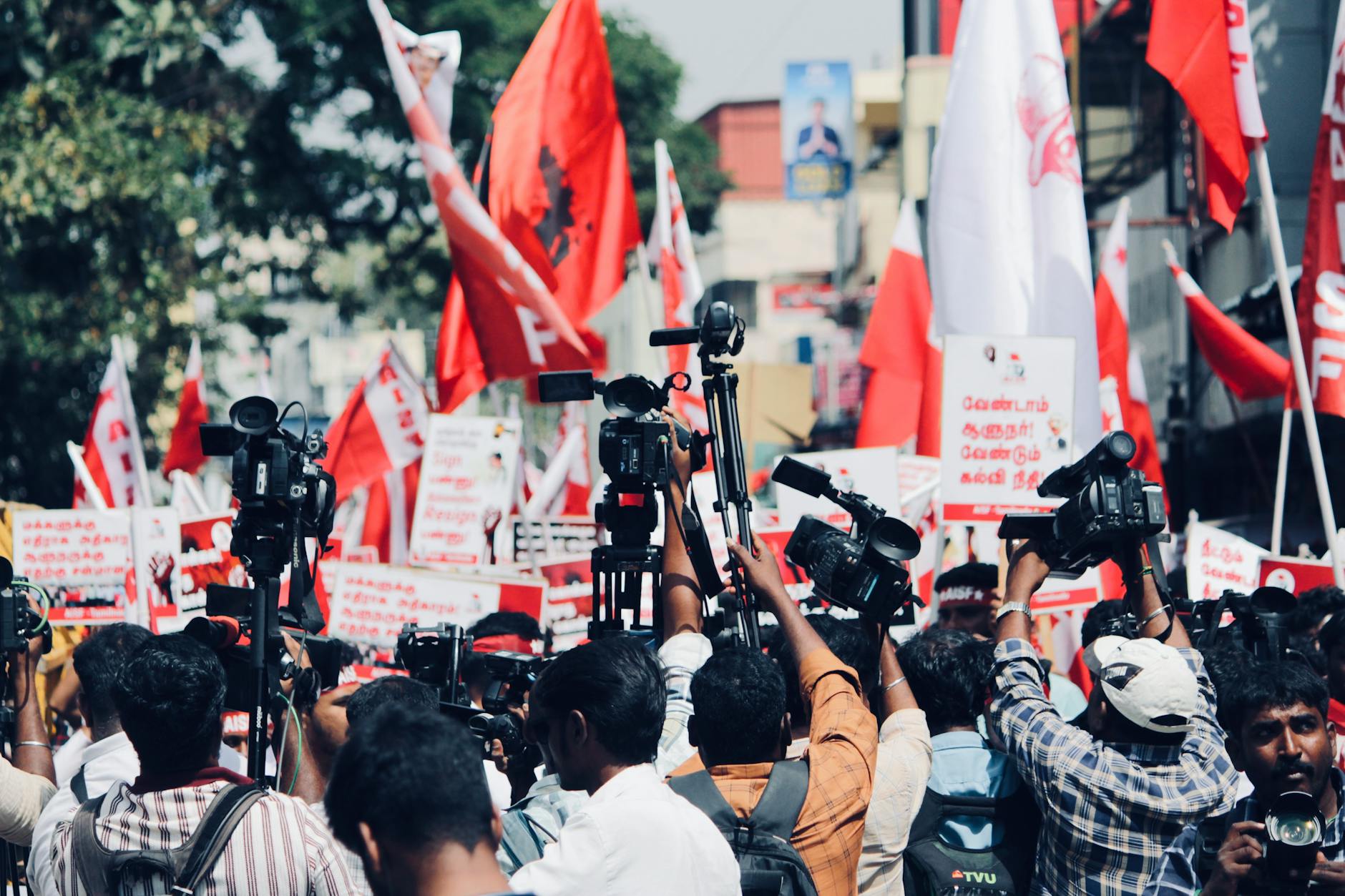
In an unexpected twist of events, Tamil Nadu's Chief Minister C. Joseph Vijay has swiftly rescinded the appointment of his personal astrologer, Rickey Radhan Pandit Vettrivel, as Officer on Special Duty (OSD). This decision comes hot on the heels of considerable backlash from both political allies and opposition parties, marking a significant political retreat.
Vijay's government, newly formed under the banner of the Tamizhaga Vetri Kazhagam (TVK), found itself at the centre of a political storm when it announced Vettrivel's appointment. The uproar was swift and loud, with critics lambasting the decision as a misuse of public funds and an endorsement of unscientific beliefs within the echelons of government. The controversy erupted during a crucial floor test in the Assembly, where the decision was met with unanimous disapproval.
Political Unity in Criticism
Allies and opponents, usually at odds, found common ground in their objection to the appointment. Their primary concern lay in the precedence such a move would set, potentially opening the floodgates to more appointments based on personal beliefs rather than merit. In a state known for its rationalist traditions, the appointment was seen as a backward step.
The political ramifications were immediate. Social media platforms buzzed with condemnation, and the ensuing debate over the role of personal belief systems in public office became a talking point across the state.
Astrology and Politics: An Uneasy Alliance
The incident highlights the delicate balance politicians must maintain between personal beliefs and public office. While astrology holds significant cultural importance in many parts of India, its place in the political sphere remains contentious. Critics argue that aligning governance with personal belief systems could undermine the secular and scientific fabric of the state.
For Vijay, the episode serves as a cautionary tale of the potential pitfalls in blending personal convictions with political duty. His reversal on the decision was necessary to maintain the integrity of his administration and assuage the concerns of a diverse voter base.
As the dust settles, the incident leaves behind a trail of questions about the future of such appointments and the extent to which personal beliefs should influence public policy. One thing is certain: political leaders will tread more cautiously when making appointments that straddle the line between personal allegiance and public service.