Telangana Grapples with 591 Environment Offences in 2024
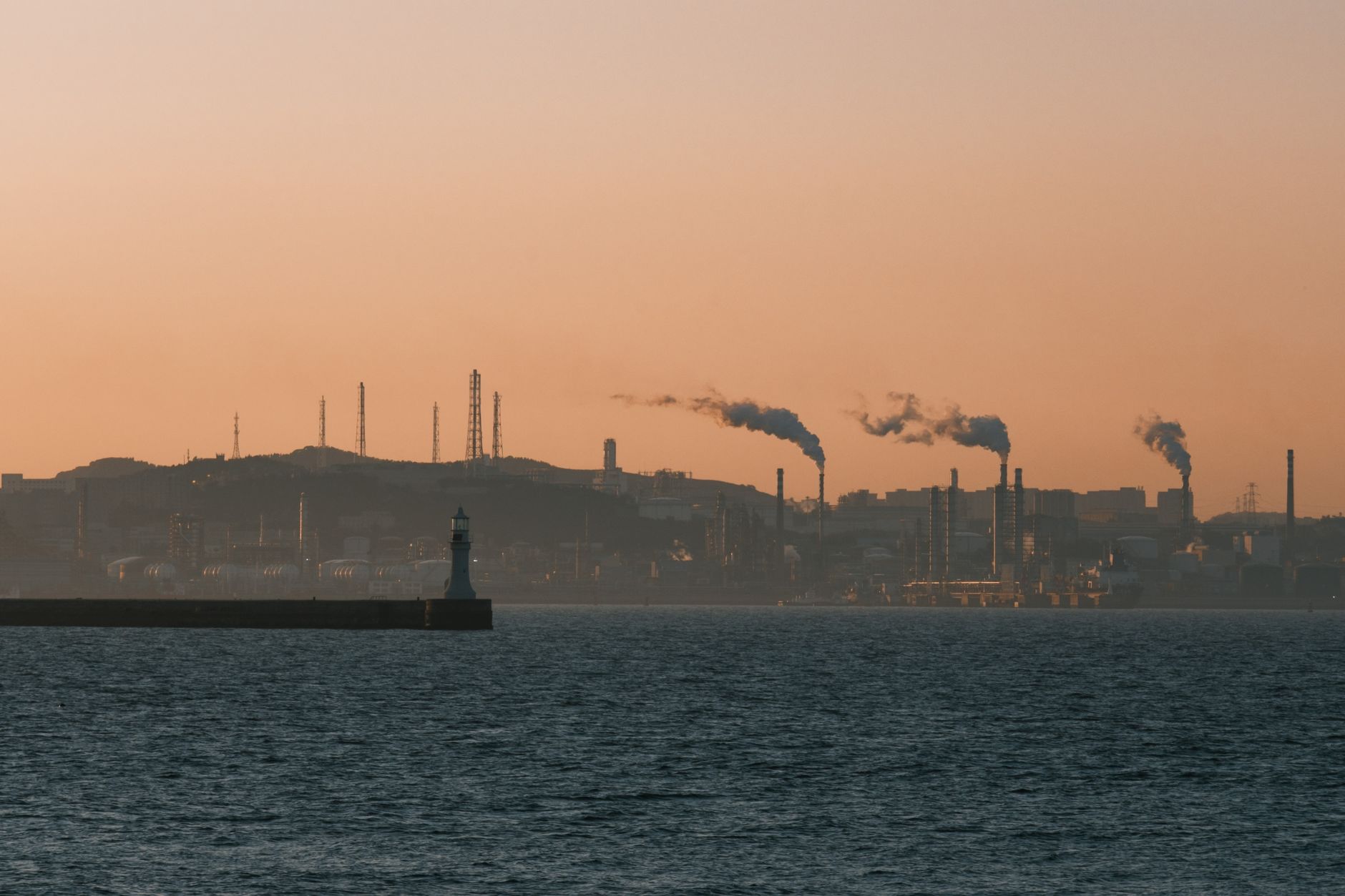
Amidst the cacophony of progress, Telangana has recorded 591 environment-related offences in 2024, a figure that raises significant questions about the state's ecological future. As urbanisation continues its relentless march, the balance between development and environmental conservation becomes increasingly precarious.
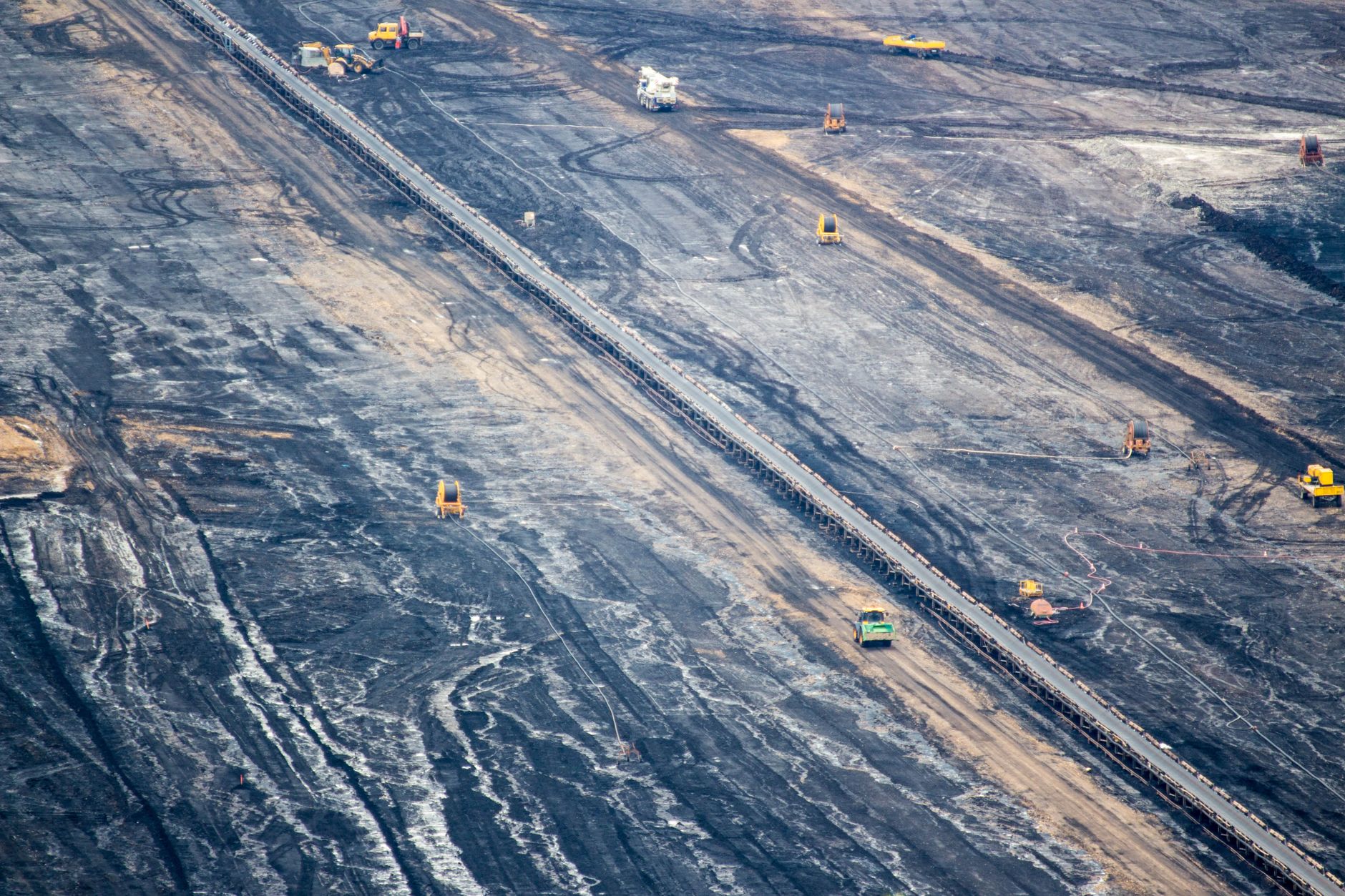
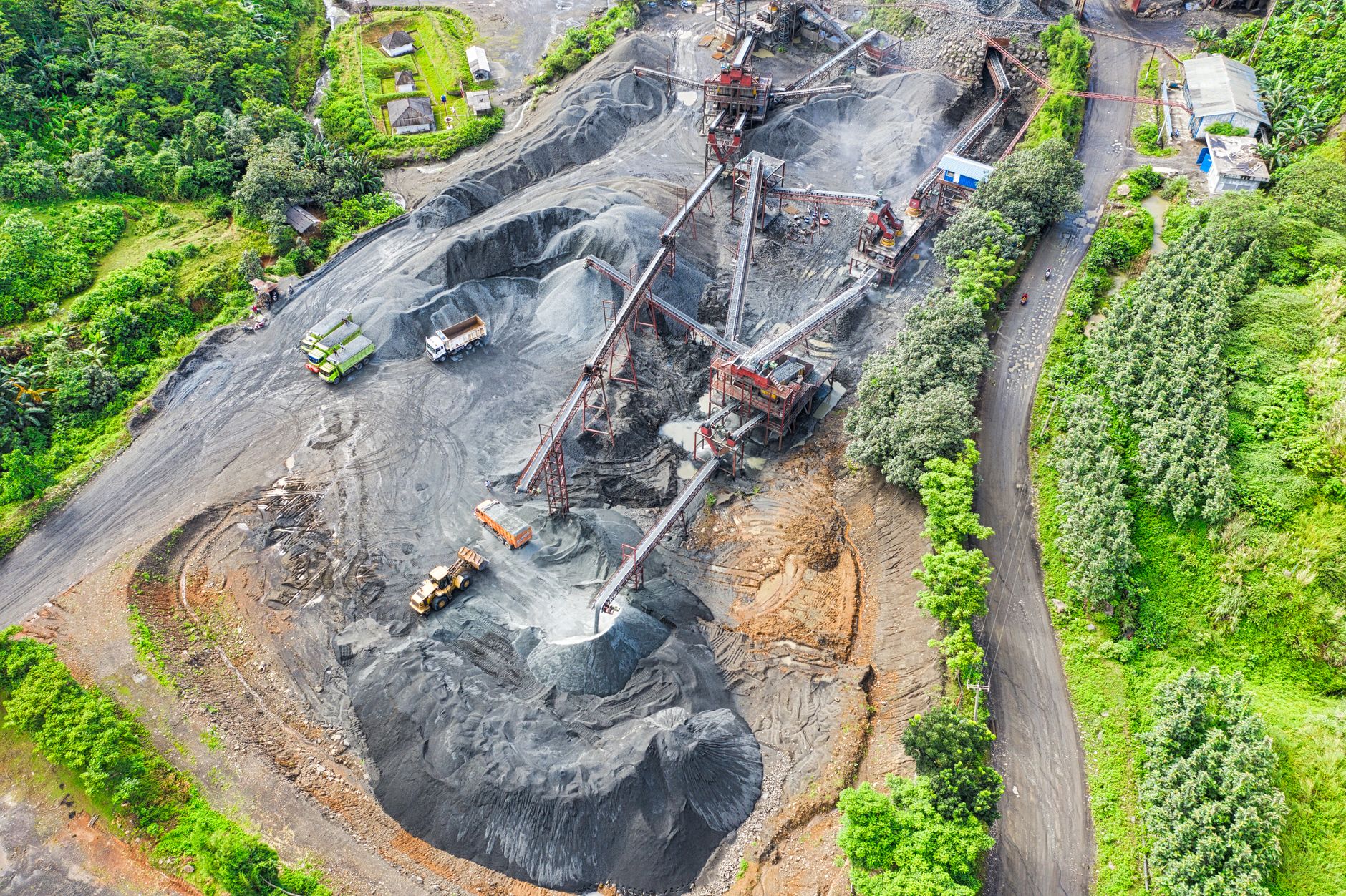
The offences documented vary widely, from illegal sand mining operations along the Godavari and Krishna rivers to unlawful tree felling in urban areas. These activities not only damage the natural landscape but also pose threats to local biodiversity and community livelihoods.
The Need for Stringent Policies
While the numbers may seem modest compared to states like Tamil Nadu and Rajasthan, where thousands more offences are recorded, they nonetheless paint a concerning picture. The challenge for Telangana lies not just in addressing these violations but in preventing them. Stronger regulatory frameworks, coupled with robust enforcement, are crucial to curtail these ecological transgressions.
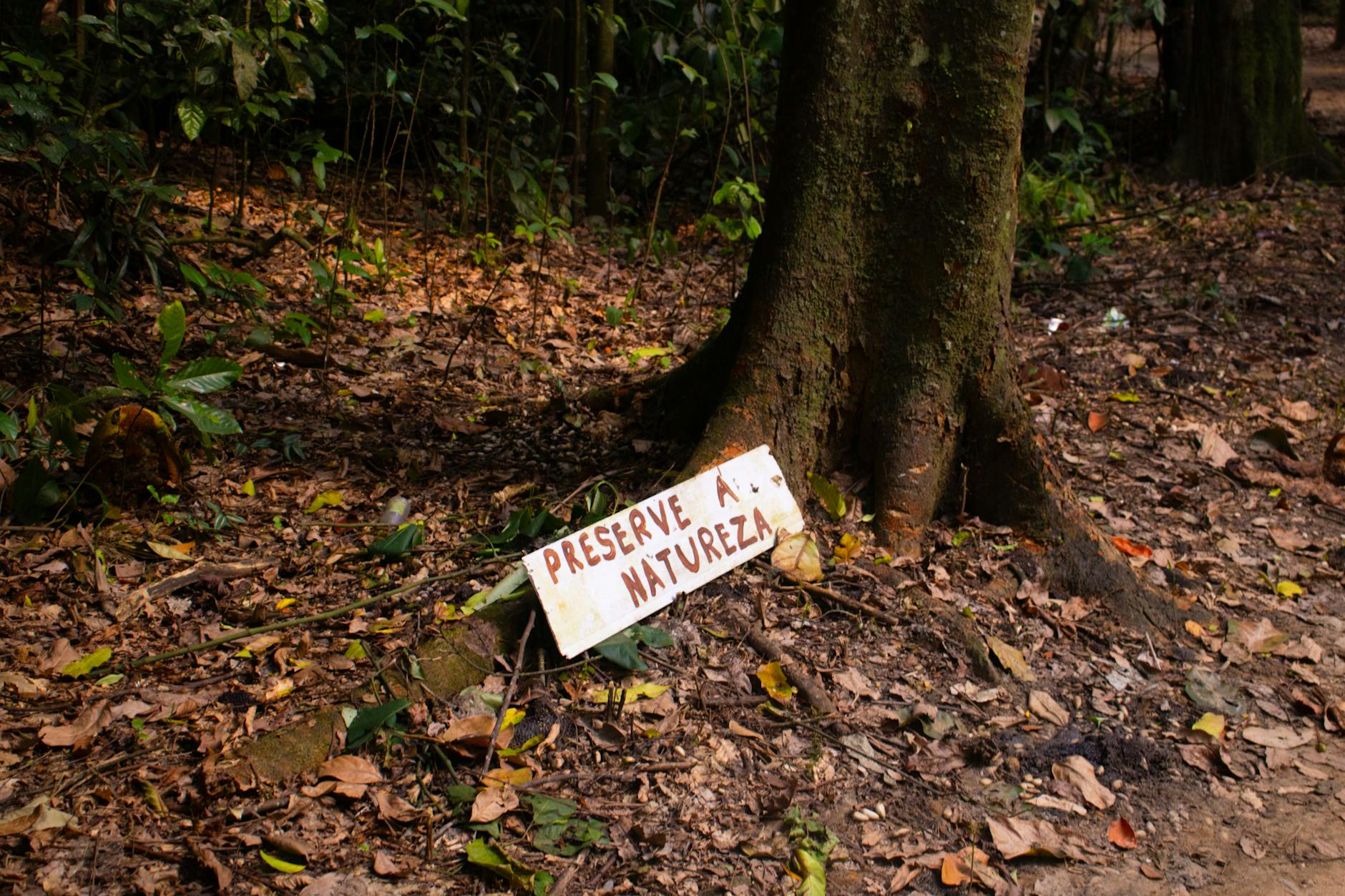
Public awareness campaigns could also play a pivotal role. Educating citizens about the long-term consequences of environmental damage can foster a culture of stewardship rather than exploitation. A community that values its natural resources is far less likely to turn a blind eye to their destruction.
The Bigger Picture
Nationwide, the issue of environmental offences is not unique to Telangana. In 2014, the National Crime Records Bureau reported over 8,765 arrests across India for similar offences. As urban centres expand, the pressure on the environment intensifies, necessitating a unified approach to conservation.
For Telangana, the path forward involves embracing sustainable development practices that align economic growth with ecological preservation. The state's leaders must prioritise initiatives that protect natural habitats while accommodating the needs of an expanding population. Failure to do so could jeopardise both the environment and the quality of life for future generations.
In the end, the story of Telangana's environmental offences is a microcosm of a larger narrative playing out across India. It is a reminder that progress must not come at the expense of the planet we call home.