Telangana's ATCs Propel 506 Students into Promising Careers
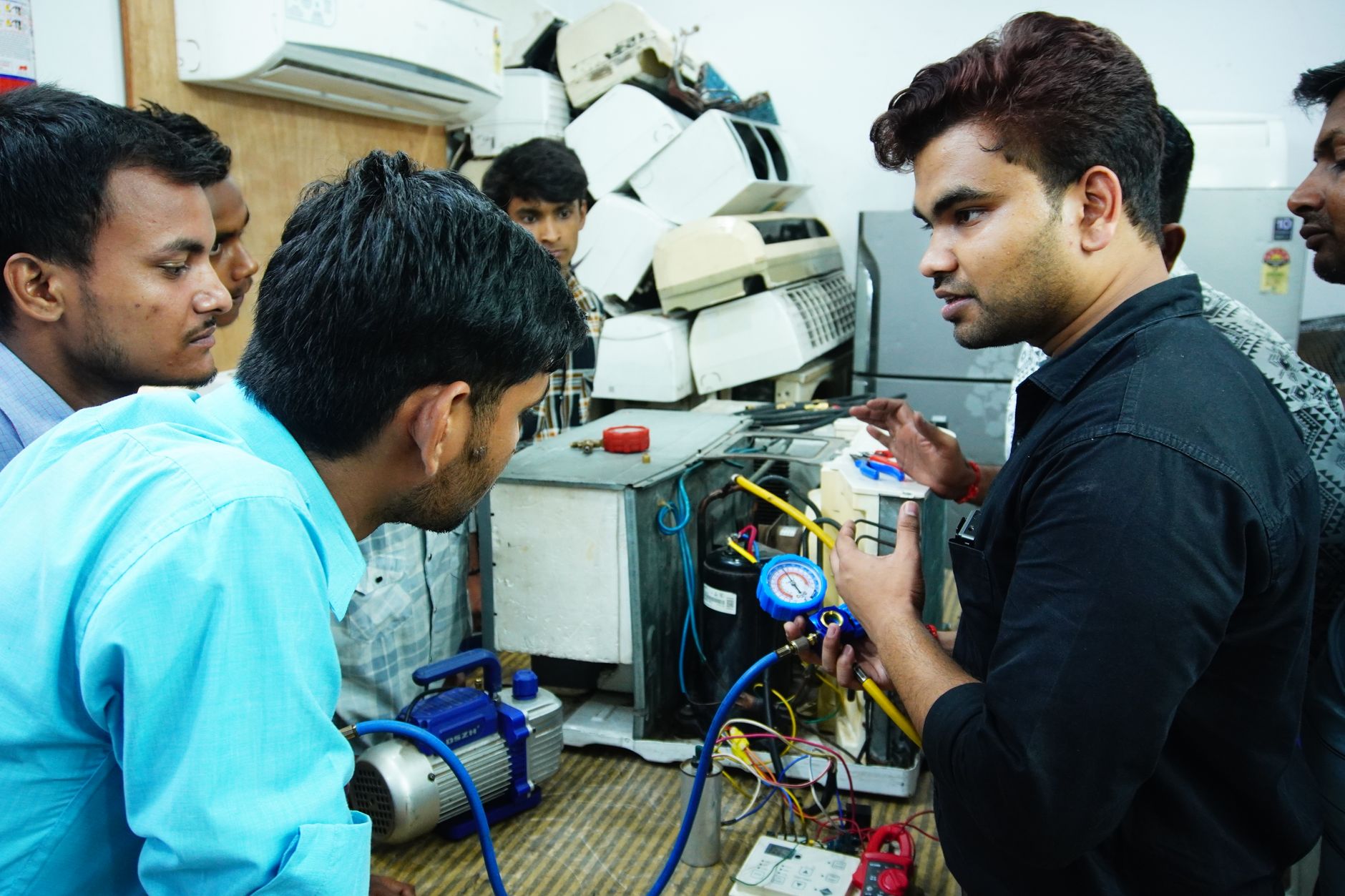
The landscape of vocational education in Telangana has undergone a remarkable transformation, as evidenced by the recent placement of 506 students across seven Advanced Technology Centres (ATCs) in the state. These centres, once conventional Industrial Training Institutes (ITIs), have been reborn as state-of-the-art hubs designed to meet the evolving demands of modern industries.
This transformation is part of a broader government initiative spearheaded by the Chief Minister, Shri A. Revanth Reddy, who inaugurated 65 such centres in October last year. The initiative, backed by a substantial ₹2,000 crore investment, aims to overhaul the vocational training ecosystem in Telangana, equipping students with the skills needed to thrive in a technology-driven world.
The success of these placements is not merely a nod to the upgraded facilities but also a testament to the curriculum tailored to industry needs. Students are trained on advanced machinery and receive mentorship from seasoned professionals, ensuring they are well-prepared for the workforce. The ATCs have effectively bridged the gap between education and employment, a feat that traditional ITIs struggled to achieve.
Bridging the Skills Gap
The shift from traditional ITIs to ATCs signifies a strategic move to bridge the skills gap that has long plagued the employment market. By aligning training with industry requirements, the government is fostering a generation of workers ready to contribute to sectors like information technology, manufacturing, and more.
For the students, the experience has been transformative. "I never imagined I would have the opportunity to work with such advanced technology," said a student from the Mallepalli ATC. "The training here has opened doors I never knew existed."
A Model for Other States
Telangana's approach could serve as a model for other states seeking to invigorate their vocational education systems. By investing in infrastructure and curriculum that mirror real-world environments, the state has demonstrated a pragmatic path to skill development that aligns educational outcomes with economic needs.
As Telangana continues to roll out this ambitious programme, the success stories emerging from its ATCs may well inspire similar initiatives across India, reinforcing the notion that well-targeted educational reforms can drive significant economic growth.