The Cost of a Deal: NHS Faces Dire Consequences
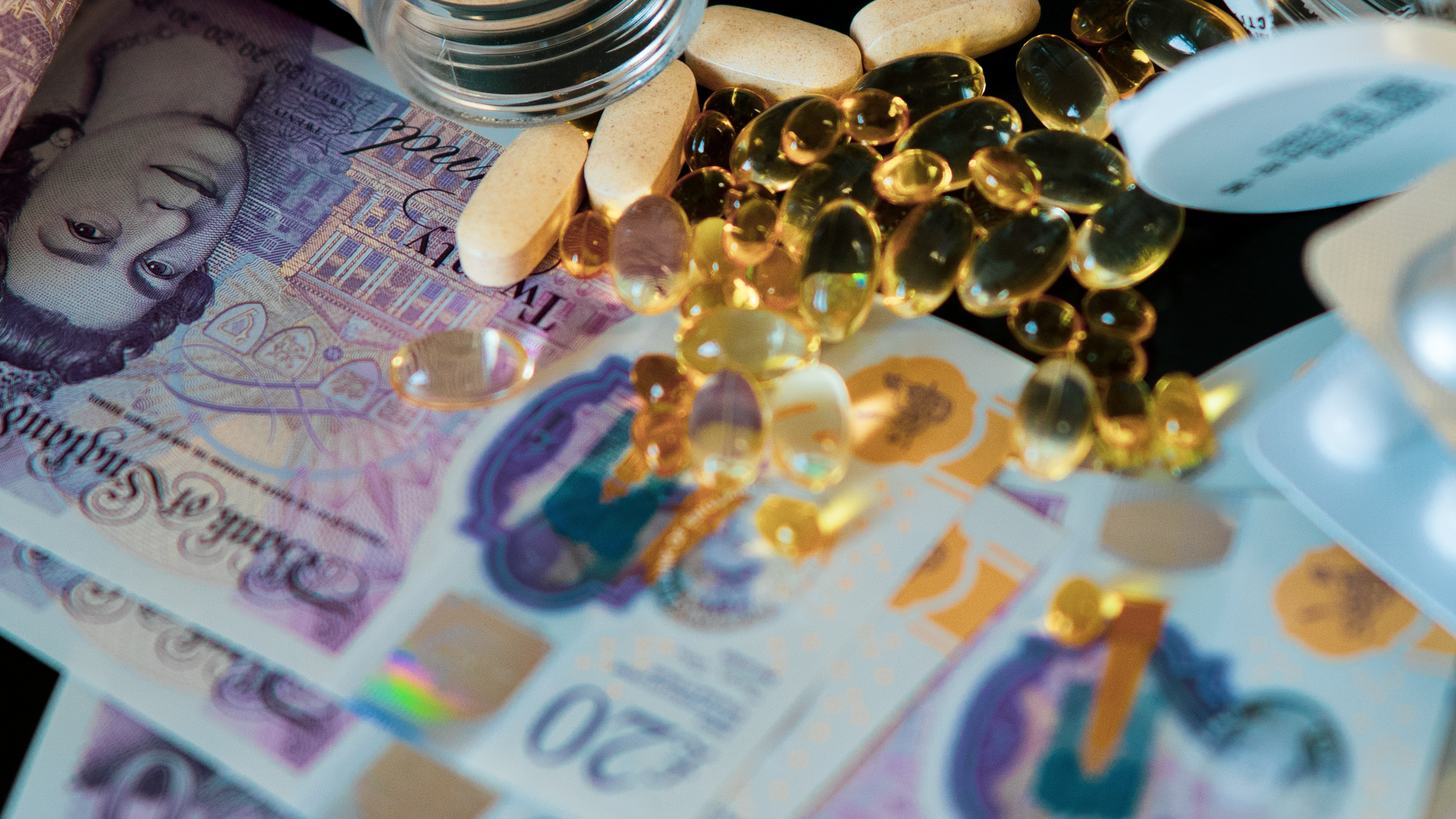
The ink is barely dry on a pharmaceutical trade deal between the United Kingdom and the United States, yet its implications have already sparked a fierce debate. On the surface, the agreement appears beneficial, shielding UK exports from American tariffs for the next three years. However, beneath this protective veneer lies a potential crisis for the National Health Service.
According to a recent analysis, the NHS stands to lose a staggering £45 billion over the next decade. This financial haemorrhage is attributed to the increased costs the NHS will incur to purchase new, presumably more expensive, drugs under the terms of the deal. Experts predict this diversion of funds could lead to 229,000 avoidable deaths, a chilling prospect for a nation that prides itself on its healthcare system.
Financial Strain and Human Cost
The deal, heralded by ministers as a triumph of economic diplomacy, is now under scrutiny for its potential to undermine the very services it was meant to protect. By 2028-29, the cost of the deal is expected to rise, though the government has been reticent to provide specific figures beyond that period. This lack of transparency has only fuelled public and political anxiety.
Ministers have argued that the deal will bolster the UK’s life sciences sector, yet critics point out that the supposed benefits come at an extraordinary human cost. As the NHS prepares to navigate these treacherous waters, questions about the government's priorities remain unanswered.
Balancing Act or Tipping Point?
Critics argue that the deal represents a fundamental shift in healthcare priorities, favouring economic interests over patient care. The government, on the other hand, insists that the agreement will ultimately benefit the UK by enhancing cooperation with the US and protecting key industries from punitive tariffs.
For now, the NHS faces a precarious balancing act. As it strives to maintain its standard of care amidst looming financial constraints, the real test will be whether it can avert the dire predictions that have emerged in the wake of the trade deal. The stakes are high, and the outcome will likely shape the future of Britain’s healthcare landscape for years to come.