The Critical Intersection of Women’s Earnings and Healthcare Access
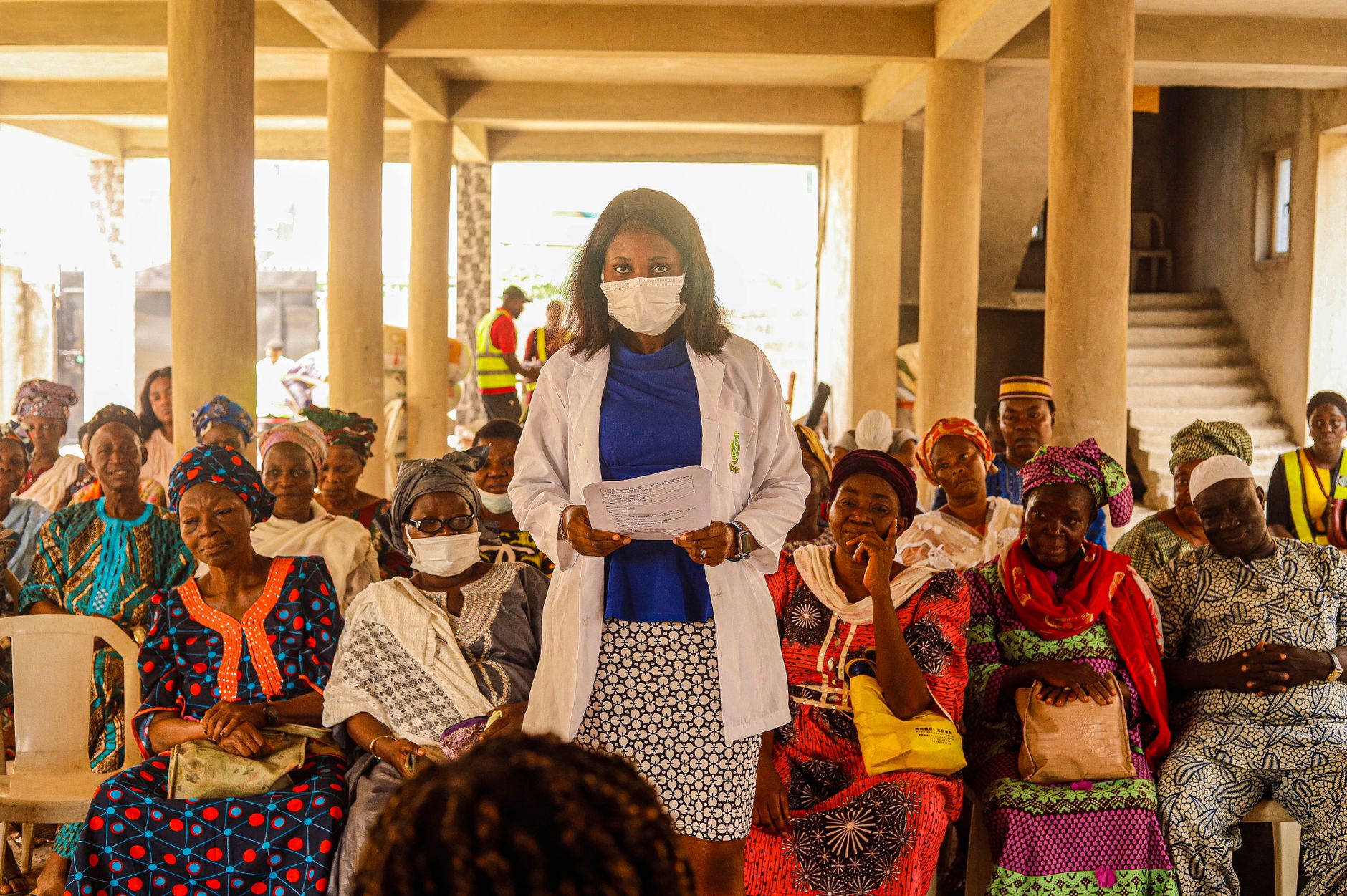
In the tapestry of health and wealth, women’s incomes weave a thread that is often undervalued yet critical. The correlation between economic stability and access to healthcare is well-documented, but for women, the stakes are particularly high. Income disparities can greatly influence a woman’s ability to access necessary medical services, affecting everything from preventative screenings to maternal care.
Consider the case of a single mother juggling multiple jobs, her income barely sufficient to cover basic necessities, let alone healthcare costs. For her, routine medical check-ups or emergency healthcare can become luxuries rather than essentials. This scenario is not uncommon, and it paints a stark picture of how income levels can dictate health outcomes.
The Economic Health Nexus
Economic empowerment is one of the most effective tools for improving health outcomes among women. Studies have consistently shown that women with higher incomes are more likely to access quality healthcare services. They are better positioned to afford health insurance, travel for medical appointments, and prioritise their health needs. Conversely, women with lower incomes often face significant barriers, from prohibitive costs to a lack of nearby facilities.
This economic-health nexus is especially pronounced in areas where healthcare systems are underfunded or unevenly distributed. In such contexts, even minimal financial strain can become a barrier too high for many women to overcome.
Strategies for Bridging the Gap
Addressing the intersection of income and healthcare requires a comprehensive strategy. Policymakers must consider economic policies that elevate women’s earnings, such as wage parity, and support for female entrepreneurs. Additionally, healthcare policies should be reformed to ensure they are inclusive and accessible, regardless of an individual’s financial standing.
Community-based initiatives can also play a crucial role. Programmes that offer subsidised healthcare or sliding-scale fees can significantly improve access for women in lower-income brackets. Moreover, education and awareness campaigns can empower women to make informed health decisions and advocate for their needs.
The link between women’s incomes and healthcare access is not merely an economic issue; it’s a societal one. By ensuring that all women have the means to secure their health, we pave the way for healthier families and communities. It is a challenge that demands immediate attention and sustained commitment from all sectors of society.