The Crucial Link Between Women's Earnings and Health Access
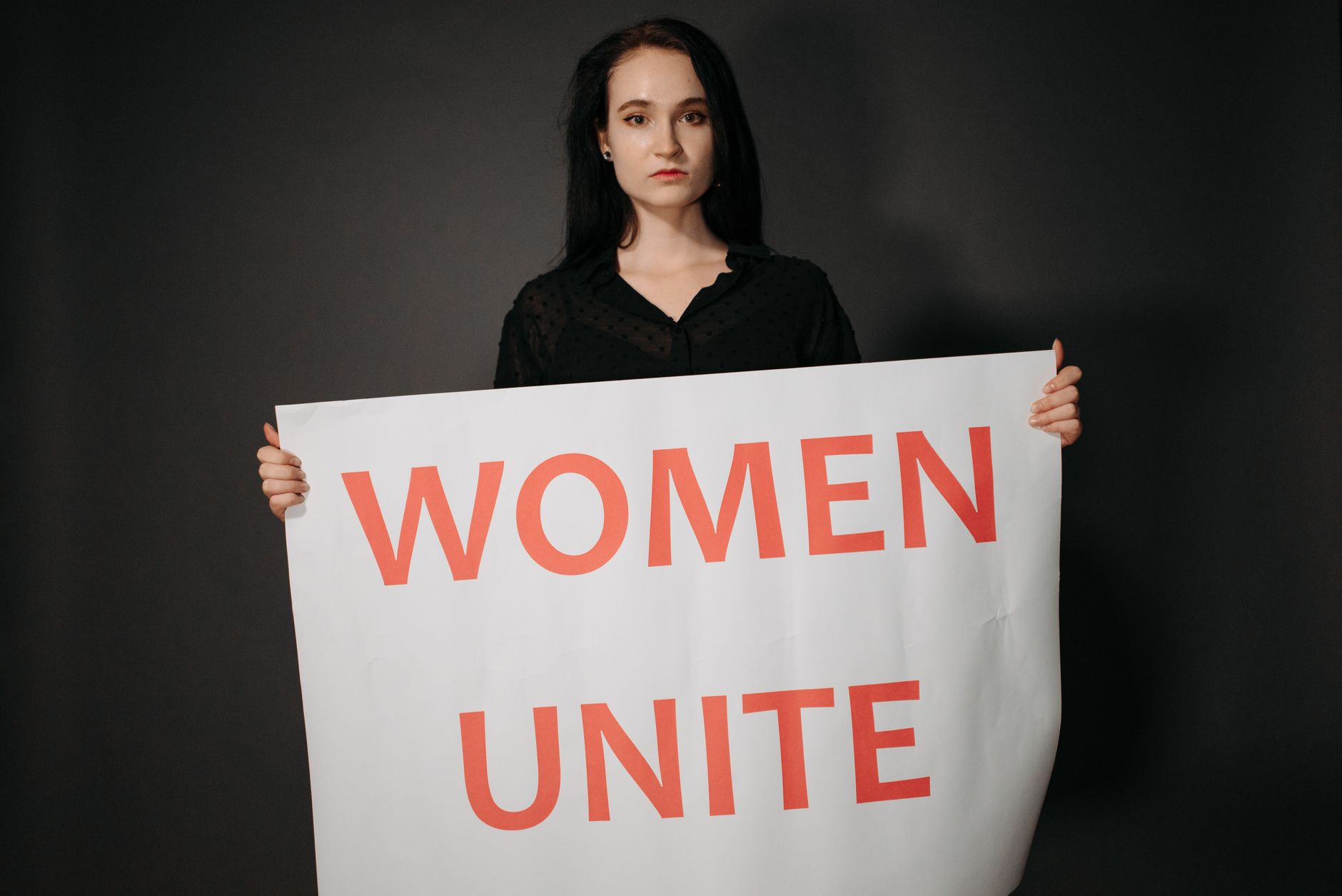
When it comes to improving women's health, the conversation often revolves around medical advancements or public health campaigns. Yet, an often overlooked but equally vital factor is the financial autonomy of women themselves. A study from a leading economic think tank illustrates that increased earnings for women significantly bolster their access to healthcare.
The Economic Health Nexus
It's no secret that income disparities affect access to many services, and healthcare is no exception. Women who earn more are more likely to afford private healthcare, regular check-ups, and specialist consultations. This not only promotes physical well-being but also encourages a proactive approach to health management.
Conversely, women with limited financial resources often face barriers such as inadequate healthcare facilities, lack of insurance, and even transportation issues. These challenges are compounded by societal expectations that prioritise other family members' needs over their own.
Policy Implications
The implications for policymakers are clear: to improve health outcomes, addressing gender income inequality is crucial. By implementing policies that promote equal pay and support women's employment, governments can significantly enhance women's healthcare access. Furthermore, initiatives like subsidised healthcare services or financial assistance for low-income women can provide immediate relief.
Organisations worldwide are beginning to recognise this link. For instance, certain NGOs are piloting programmes that focus on financial literacy and employment for women, thereby indirectly improving their health outcomes.
A Global Perspective
Globally, the correlation between women's income and health access presents both challenges and opportunities. In developing nations, where patriarchal norms often restrict women's financial independence, the struggle is more pronounced. However, international efforts aimed at empowering women economically are showing promise, slowly but surely bridging the gap.
In conclusion, as the world continues to grapple with healthcare challenges, the relationship between women's incomes and their health access cannot be ignored. It serves as a reminder that true progress in health care requires more than just medical intervention; it requires economic empowerment.