The Dangerous Allure of Political Devotion
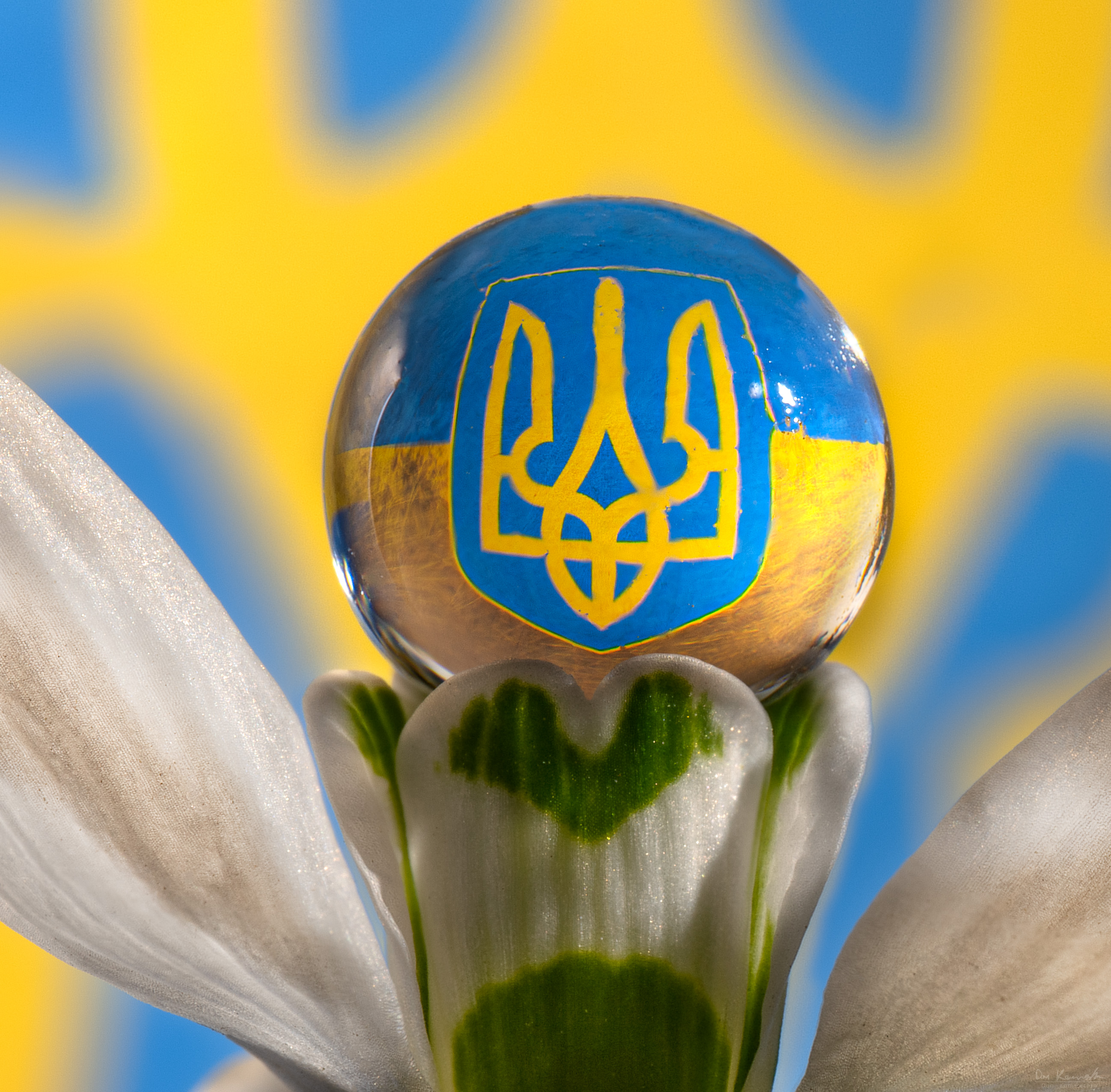
In the swirling vortex of political allegiance, the fervour of devotion can sometimes obscure the rationality of governance. The recent political climate, both domestically and internationally, has highlighted the perils that such devotion can bring. When loyalty transforms into blind allegiance, the results can be catastrophic for democratic institutions.
Consider the case of political leaders who, surrounded by unwavering supporters, are seldom challenged. Their decisions, whether prudent or reckless, are met with applause rather than scrutiny. This culture of unyielding support can lead to policies that favour ideology over practicality, often to the detriment of the populace.
The Line Between Loyalty and Blind Allegiance
Devotion in politics is not inherently negative; after all, it fuels the passion needed for political movements and change. However, when this devotion crosses into the realm of blind allegiance, problems arise. Leaders may feel emboldened to act without accountability, knowing their base will support them regardless.
This phenomenon is not limited to any single nation or political ideology. Across the globe, from the United States to India, from the United Kingdom to Brazil, instances of such devotion have surfaced. In each case, the outcomes are strikingly similar: a polarised political environment where dialogue is stifled, and dissent is often dismissed as betrayal.
The Impact on Democratic Institutions
Democratic institutions thrive on debate, dissent, and the exchange of ideas. When devotion leads to the suppression of these elements, democracy itself is at risk. The health of a democracy can often be gauged by the level of discourse within its society. A vibrant democracy encourages differing opinions and fosters a culture of debate. When devotion stifles this, the consequences can be dire.
Moreover, the media, often considered the fourth pillar of democracy, can find itself compromised. In environments where political devotion reigns supreme, media outlets may face pressure to conform to prevailing narratives, or risk being labelled as adversarial.
In conclusion, while devotion in politics can be a driving force for good, it must be tempered with critical thinking and accountability. The challenge for modern democracies is to harness the positive aspects of political passion while guarding against the perils of blind allegiance. Only then can governance remain both effective and true to democratic ideals.