The End of Self-Identification: A Blow to Trans Mental Health
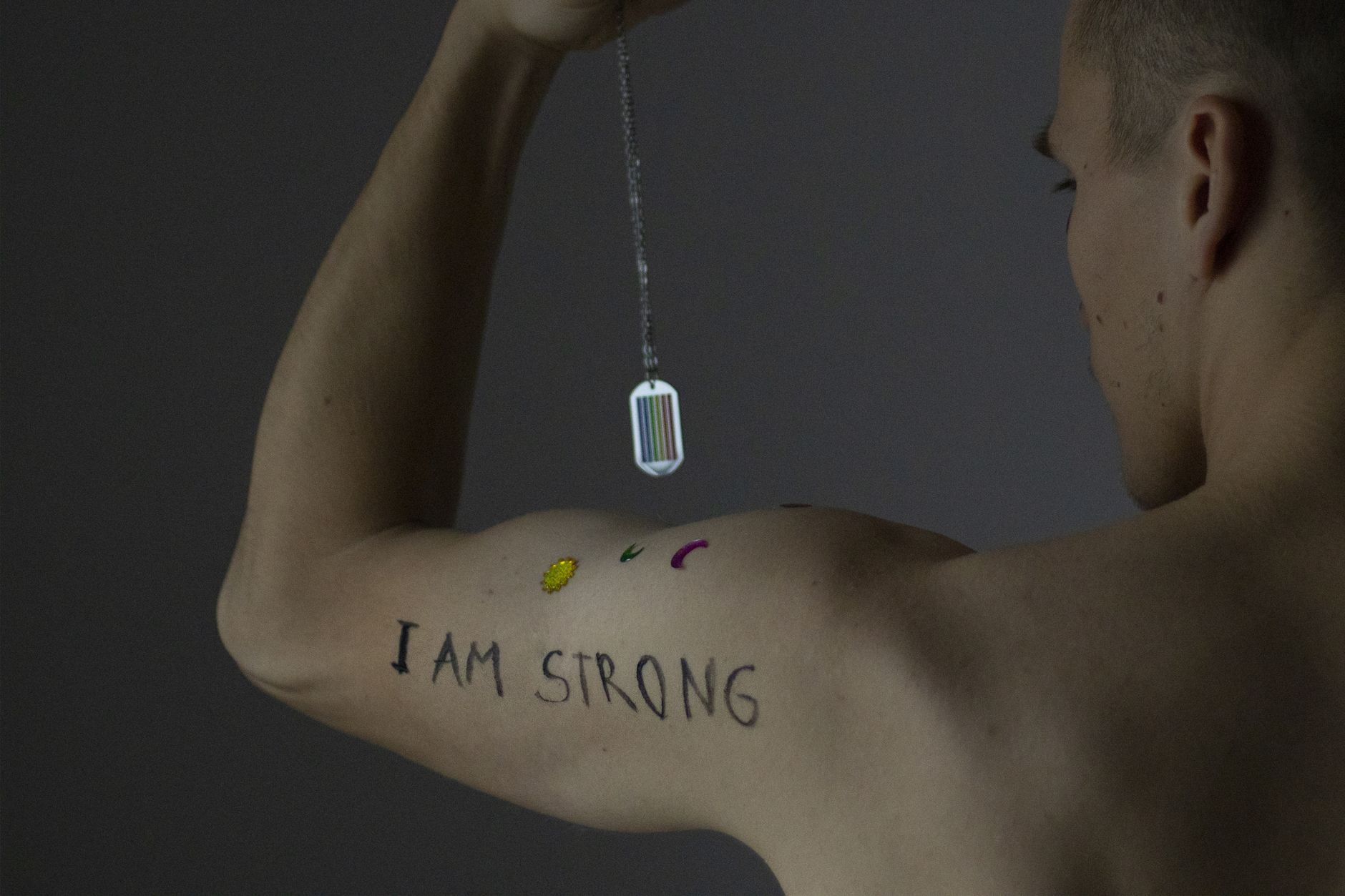
The passage of the Transgender Persons (Protection of Rights) Amendment Act has sent shockwaves through India's transgender community. With the stroke of a pen, the right to self-identify—a fundamental principle many had fought tirelessly to secure—was replaced by a requirement for medical verification. The implications for mental health are dire.
For trans individuals, the ability to self-identify is not merely a bureaucratic convenience but a cornerstone of personal autonomy. Without it, many feel their very identities are under siege. The act of proving one's gender through medical channels can be both invasive and dehumanising, exacerbating feelings of vulnerability and alienation.
A Step Backwards
The amendment has incited widespread condemnation from activists and human rights organisations. They argue it undermines years of progress in recognising the rights and dignity of transgender individuals. "This is a step backwards," said Anjali Mehta, a prominent trans activist. "We've fought for the right to define ourselves on our own terms. Now, that right is being stripped away."
For those residing in shelters like Garima Greh, where many young trans people seek refuge and a sense of belonging, the amendment is particularly disheartening. The fear of increased scrutiny and the pressure to conform to medicalised standards of gender identity loom large, adding to their mental and emotional burden.
Mental Health Implications
The mental health ramifications cannot be overstated. A community already grappling with high rates of depression, anxiety, and dysphoria now faces additional hurdles. The constant need to justify one's existence to a sceptical world can erode self-esteem and lead to severe psychological distress.
While the government maintains that the amendment aims to streamline legal processes, critics argue it does so at the cost of personal dignity. The requirement for medical verification could deter many from obtaining legal recognition altogether, effectively silencing their voices in society.
In the face of this legislative setback, community support systems and mental health resources become more crucial than ever. Activists urge for a re-evaluation of the amendment, pressing for policies that respect and acknowledge the inherent dignity of all individuals, regardless of their gender identity.