The Enduring Controversy: Cow Slaughter in India's Political Arena
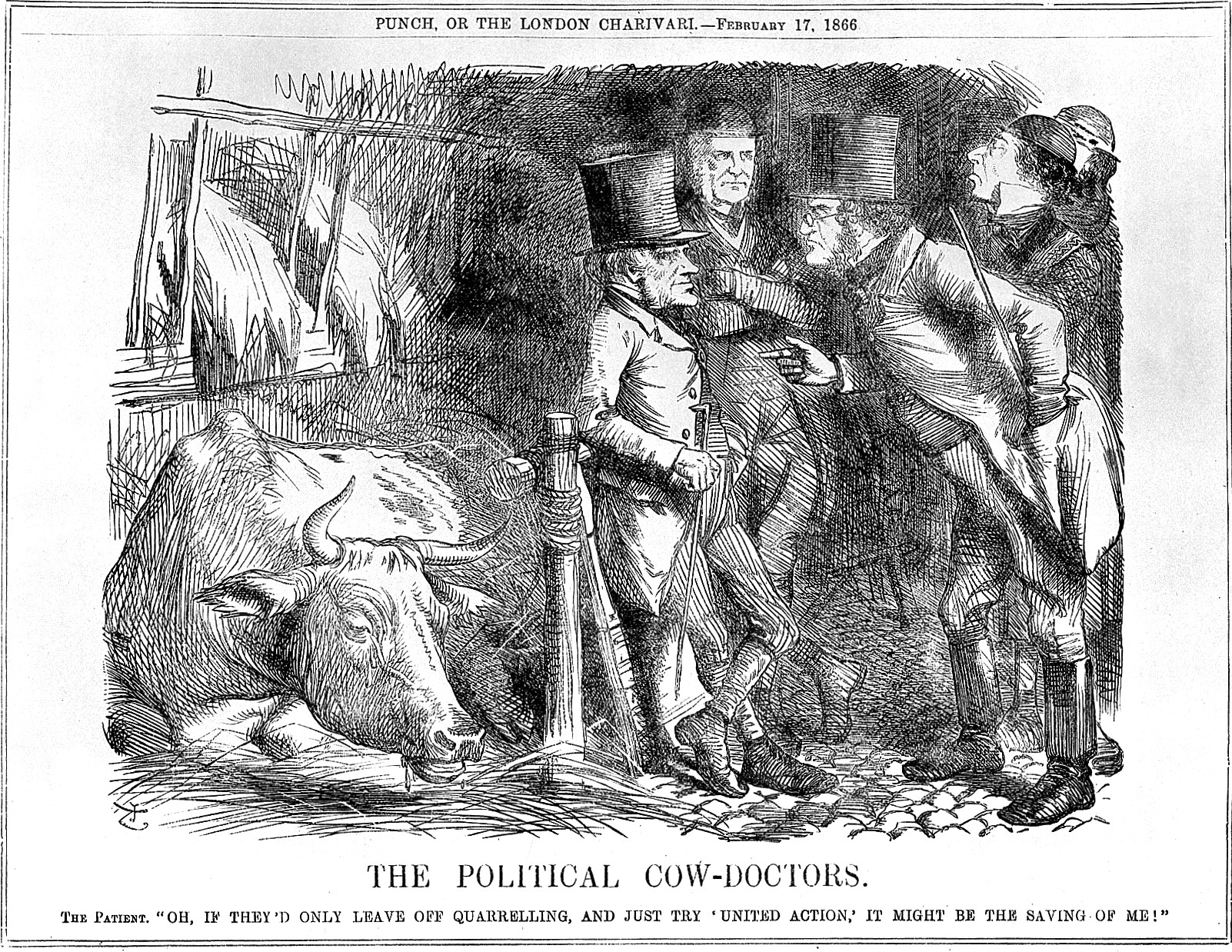
The cow, a creature revered by millions, once again finds itself at the centre of India's political stage. This time, the debate over cattle slaughter has been rekindled, igniting passions across the nation. In a country where religion often intertwines with politics, the cow stands as a formidable symbol of cultural heritage and religious devotion.
Throughout history, India's relationship with the cow has been intricate. On one hand, the animal is venerated by Hindus, a majority in the nation, as sacred. This reverence has made cow protection a rallying point for various political factions, bridging gaps between orthodoxy and reformist ideals. As sociologist Therese O' Toole notes, cow protection has historically unified a diverse Hindu consciousness.
Conversely, the economic role of cattle — as a source of livelihood for many, particularly in meat and leather industries — cannot be ignored. The legal frameworks surrounding cattle slaughter vary across states, often leading to conflict. In states like Karnataka, recent legislation has expanded definitions and restrictions, sparking protests from those who argue it infringes on their right to trade. The balancing act between religious sentiment and economic necessity remains a contentious issue.
Political Implications
The political capital embedded in this debate is substantial. Parties across the spectrum wield the issue of cow protection to galvanise support, particularly during election cycles. The debate is not just about religious sentiment but extends to influence voting patterns and political alliances.
Moreover, the issue of cow slaughter has international ramifications. Comparisons with global practices, such as restrictions in Denmark and Norway on slaughter without stunning, add layers to the domestic debate. These international precedents are often cited by Indian lawmakers advocating for stricter regulations.
As India grapples with its identity as a secular nation, the cow slaughter debate remains a flashpoint, reflecting deeper societal cleavages. The challenge lies in navigating these divides while ensuring that laws respect both cultural traditions and individual rights.