The Future of Health: Integrated Sensing Networks Revolutionise Monitoring
In the age of digital transformation, the integration of sophisticated sensing networks into healthcare is no longer a distant vision but an imminent reality. Harnessing just 12.5% of their bandwidth, these networks promise to usher in a new era of health monitoring, where continuous and remote analysis becomes the norm rather than the exception.
At the heart of this technological evolution is the development of 6G integrated sensing and computing networks. These networks are poised to support a plethora of advanced healthcare services, from motion analysis and stress detection to smart video consultations and fall risk prediction. With the potential to transmit vast amounts of data seamlessly, the healthcare industry is on the brink of unprecedented accessibility and precision.
The Dawn of Continuous Monitoring
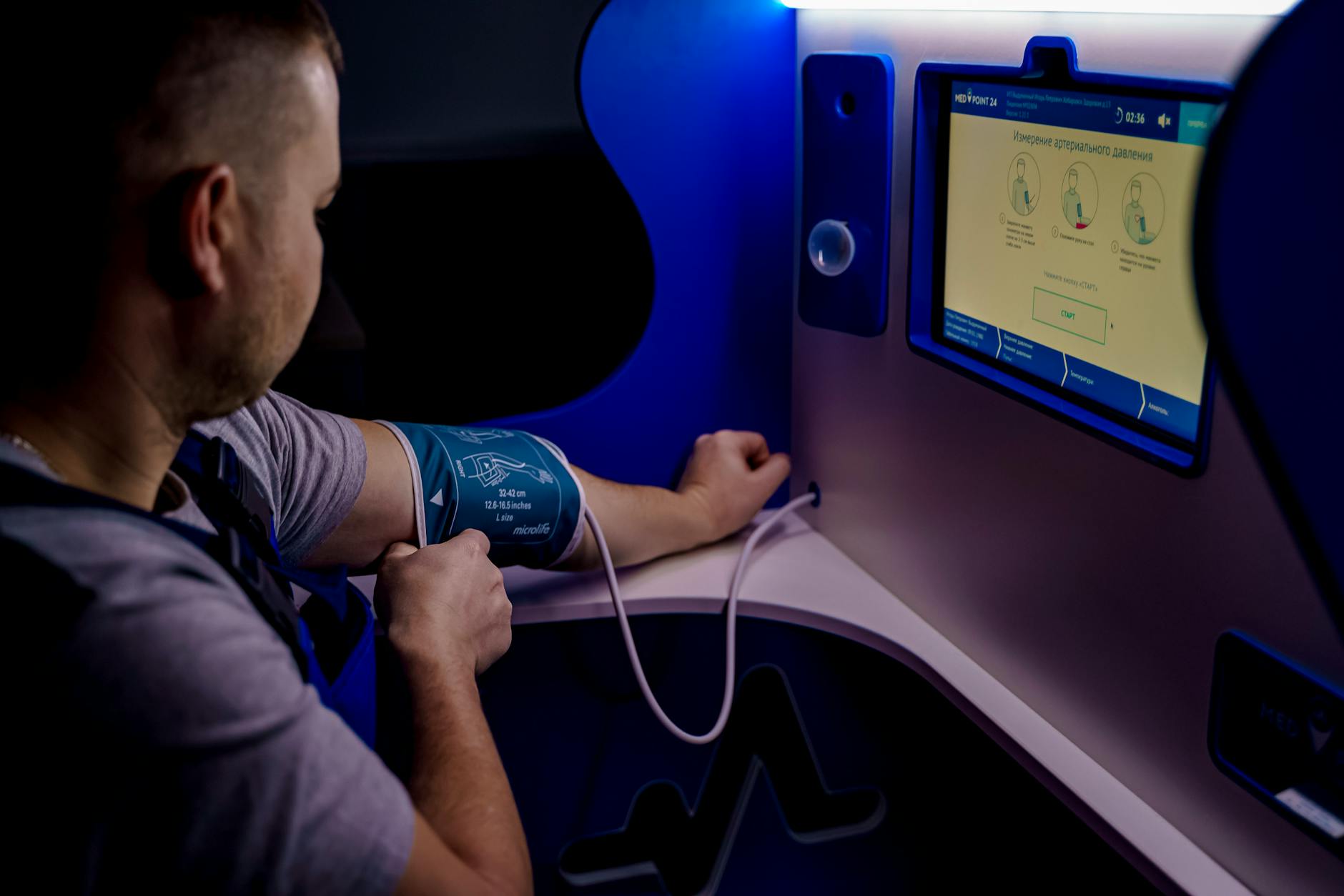
One of the most promising applications of integrated sensing networks lies in continuous health monitoring. Unlike traditional systems that rely on periodic check-ups or limited data points, these networks can provide real-time insights over extensive distances. This capability is particularly crucial for monitoring patients in remote or underserved areas, where access to healthcare facilities is limited.
Moreover, the integration of AI-driven applications within these networks can enhance their effectiveness. By analysing data in real-time, AI can predict potential health risks, allowing for proactive interventions that could save lives. The combination of AI and 6G technology is not just a step forward; it is a leap towards a future where healthcare is as much about prevention as it is about treatment.
Challenges and the Road Ahead
Despite the promise, integrating such advanced technologies into existing healthcare systems is not without its challenges. Issues of data security, privacy, and the digital divide must be addressed to ensure equitable access and trust among patients and healthcare providers alike.
Nonetheless, the potential benefits far outweigh the hurdles. As these networks continue to develop, they hold the promise of a healthcare system that is more responsive, personalised, and accessible. The future of health monitoring, it seems, is not just about keeping up with technology, but about setting the pace for a healthier, more connected world.