The Great Unbundling: Entertainment's Retreat from Globalisation
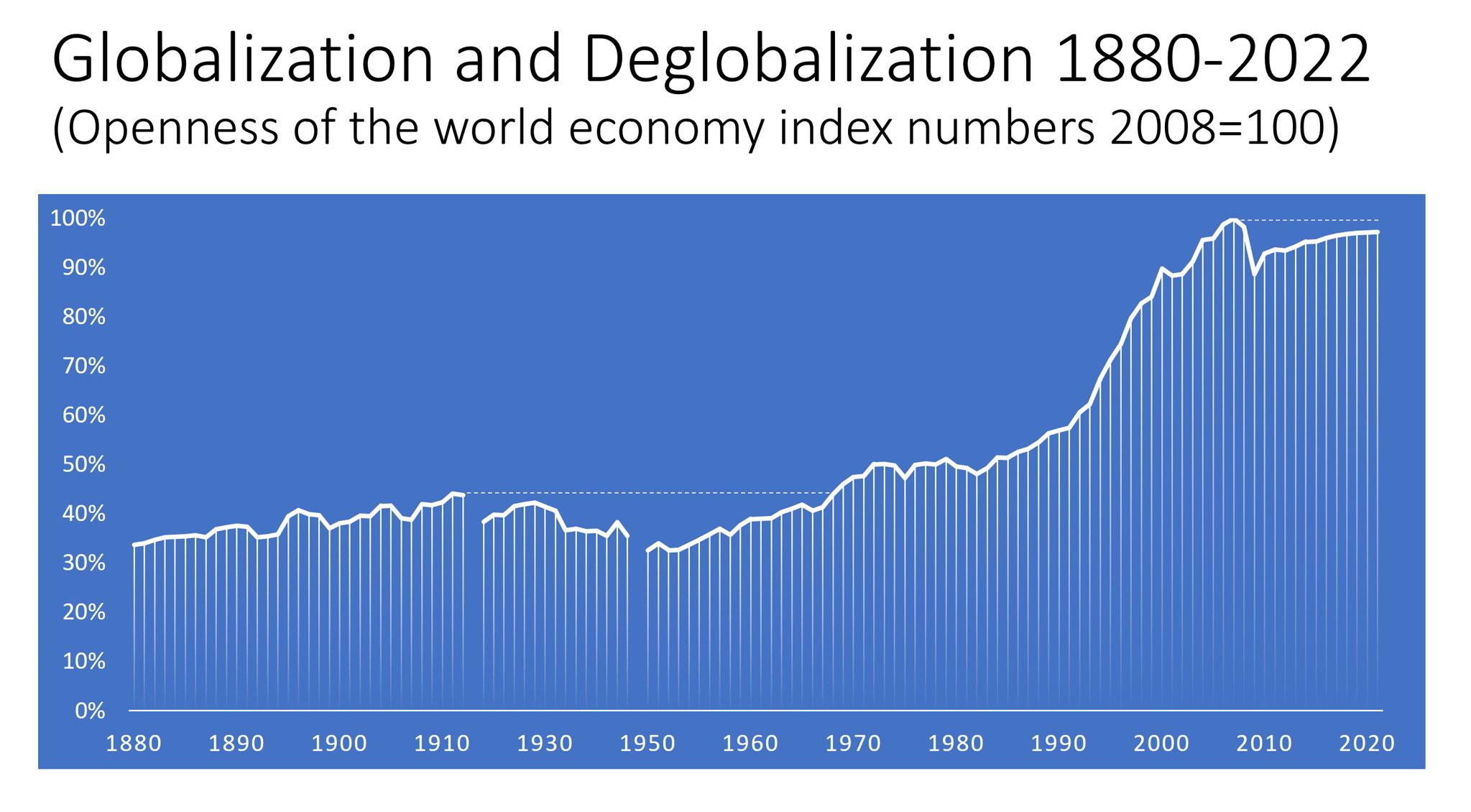
In a world once seemingly unified by Hollywood blockbusters and global streaming giants, the entertainment industry is experiencing a subtle but significant deglobalisation. This trend marks a departure from the era when Western narratives dominated screens from Mumbai to Moscow.
At the heart of this shift lies a renewed focus on local cultures and languages. With audiences craving authentic stories that reflect their own experiences, content creators are now pivoting towards regional stories. This isn't merely a nod to cultural diversity; it's a strategic response to shifting consumer preferences and economic realities.
The Localisation of Content
Streaming services, which once seemed to herald a new global monoculture, are now spearheading this deglobalisation. Netflix, for instance, has invested heavily in non-English content, recognising the profitability of region-specific productions like "Lupin" from France or "Money Heist" from Spain. These local productions have not only captured domestic audiences but have also found international acclaim, proving that quality content transcends language barriers.
Economic and Political Undercurrents
Economic factors play a crucial role in this transformation. As production costs rise in traditional entertainment hubs, studios are increasingly looking towards more cost-effective locations. This shift is driven not only by financial considerations but also by the desire to tell stories that resonate on a personal level with viewers.
Politically, the movement towards deglobalisation is also gaining momentum. Rising nationalist sentiments in various countries have led to calls for greater representation of local culture in media. Governments are responding by incentivising local productions through grants and subsidies, further encouraging this trend.
Implications for the Future
The deglobalisation of entertainment raises intriguing possibilities for the future. Audiences could witness a richer tapestry of stories, woven from diverse cultural threads. However, there is a risk that excessive localisation could lead to cultural silos, where audiences are less exposed to international perspectives.
Ultimately, the entertainment industry's pivot towards local content reflects a broader societal shift towards valuing cultural identity and diversity. As this trend continues, it offers an opportunity for a more inclusive global narrative, one that celebrates both the unique and the universal.