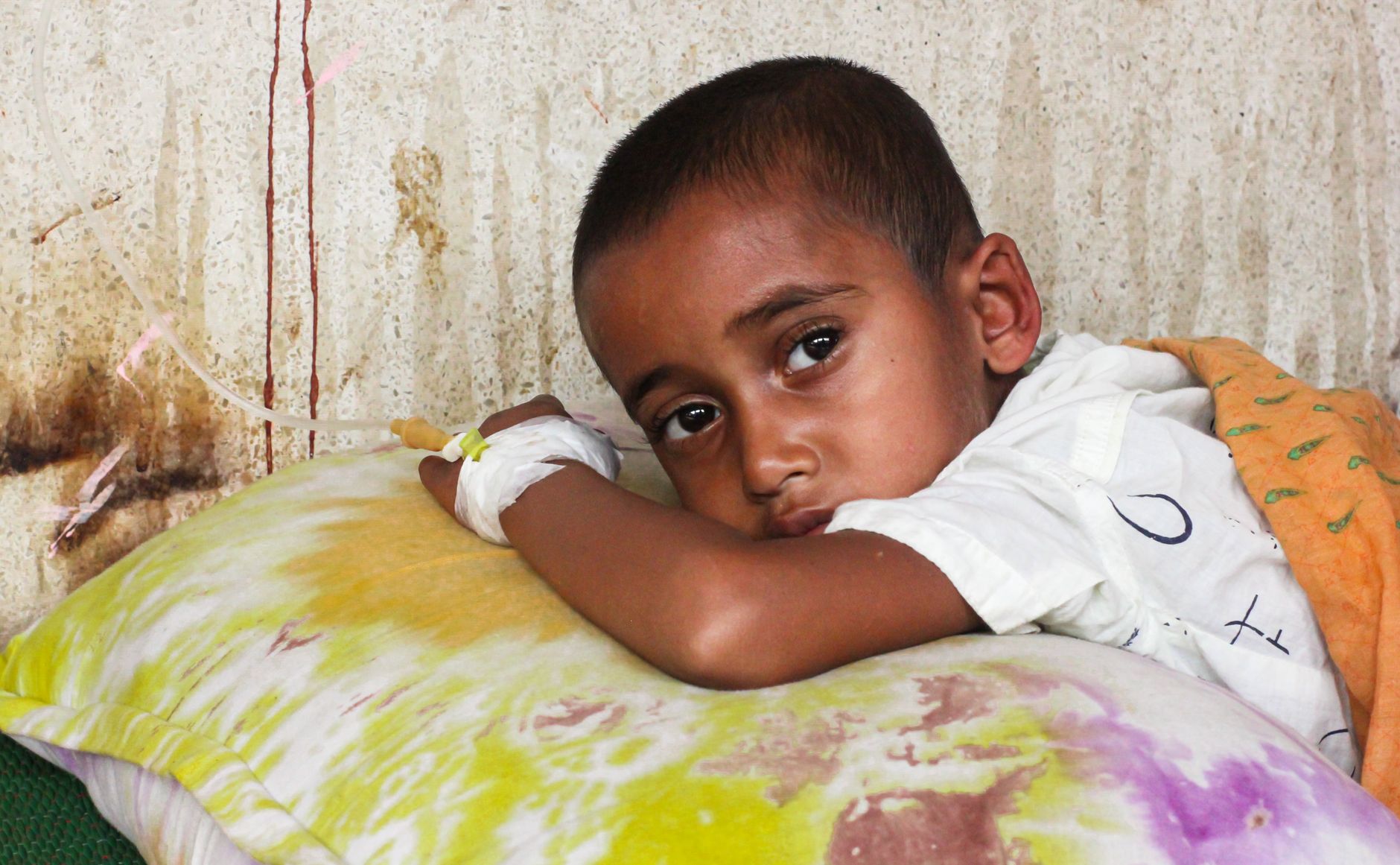
The Hidden Divide: How Segregation Affects Health in India
In the bustling streets of India's sprawling urban centres, a silent divide persists. It is not marked by walls or fences, but by invisible lines that dictate who receives what in terms of public health access. This divide, known as residential segregation, has been highlighted in recent research, underlining its profound impact on marginalised groups.
Muslim and Scheduled Caste communities, in particular, face stark segregation, comparable to the racial divides in the United States. The implications of this are far-reaching, affecting not only their access to healthcare but also their overall quality of life. The research, which spans 1.5 million neighbourhoods across India, unveils a grim reality: the more segregated the community, the lesser the access to essential health services.
The Health Access Gap
The fundamental issue is the disparity in the distribution of health services. In areas dominated by minority groups, healthcare facilities are often scarce or substandard. This shortage is not merely a logistical oversight but a reflection of deep-seated systemic biases. As urbanisation continues to surge, these inequities grow more pronounced, leaving millions in a perpetual state of vulnerability.
Moreover, the planning processes in India have traditionally overlooked these micro-level nuances. Policies tend to address disparities at broader district levels, which often gloss over the specific needs of segregated neighbourhoods. This oversight exacerbates the problem, as policies fail to translate into tangible improvements in local healthcare access.
Policy Reforms: A Path Forward
Addressing residential segregation requires more than just acknowledging its existence. It demands a concerted effort to reimagine urban planning and policy formulation. Equitable distribution of healthcare resources must become a priority, ensuring that facilities reach those who need them most.
Furthermore, promoting inclusive community development can help bridge the gap. Encouraging diverse neighbourhoods could not only improve access to health services but also foster social cohesion, reducing the stigma and isolation faced by marginalised groups.
The call to action is clear: dismantle the invisible barriers that perpetuate inequality. Only then can India hope to achieve a truly inclusive society where health is a fundamental right, not a privilege determined by one's place of residence.