The Hidden Rhythms of Your Heart: What Variability Reveals About Health
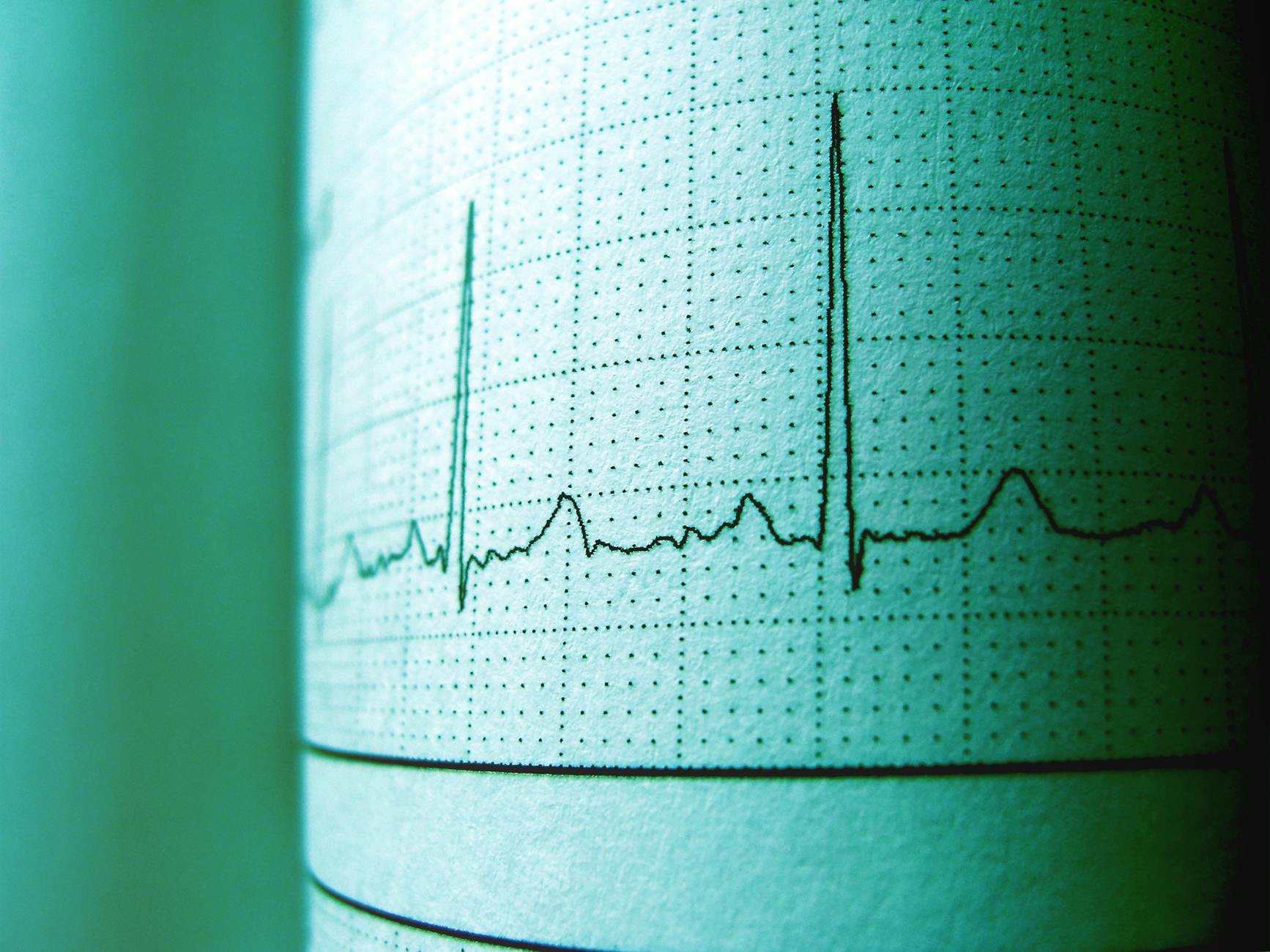
Imagine your heart as an orchestra, with each beat a musician responding to the conductor's baton. However, unlike the metronomic consistency one might expect, a healthy heart doesn't adhere to a rigid tempo. Instead, it plays a more intricate melody, adjusting its speed and rhythm to meet the body's ever-changing demands. This phenomenon, known as heart rate variability (HRV), has recently captured the attention of medical researchers.
Heart rate variability refers to the variation in time between each heartbeat, and it is proving to be a far more revealing metric than the simple count of beats per minute. A growing body of evidence suggests that a higher HRV is generally indicative of a well-functioning heart and a robust autonomic nervous system. In contrast, a lower HRV may signal underlying health issues or heightened stress levels.
Why Variability Matters
Unlike a clockwork rhythm, your heart's ability to vary its beat is crucial for adapting to the myriad challenges you face daily. Whether you're sprinting to catch a train or unwinding with a book, your heart adjusts to supply the necessary oxygen throughout your body. This adaptability is what HRV measures and why it's significant for understanding overall health.
Studies have shown that a high HRV is linked to better cardiovascular fitness and a greater capacity to handle stress. It has been observed that athletes, who often have high HRV, tend to recover more quickly from strenuous activities. Conversely, a low HRV is often associated with chronic stress, fatigue, and a higher risk of cardiovascular diseases.
HRV: A Window into Well-being
While heart rate variability is still a somewhat niche measure outside of professional sports and research circles, its implications are broad. It's not just about heart health; HRV can offer insights into one's mental health as well. The link between HRV and stress makes it a valuable tool in psychological studies and therapeutic contexts.
With the advent of wearable technology, tracking HRV has become more accessible to the general public. Devices now allow users to monitor their HRV in real-time, providing personal data that can help drive lifestyle changes or inform conversations with healthcare professionals.
Understanding your heart's variability isn't just the realm of scientists and athletes. It is an avenue for anyone interested in taking a proactive approach to their health, offering a nuanced picture of how well one is coping with life's challenges.