The Hidden Warnings from Men's Health: Understanding the Silent Signals
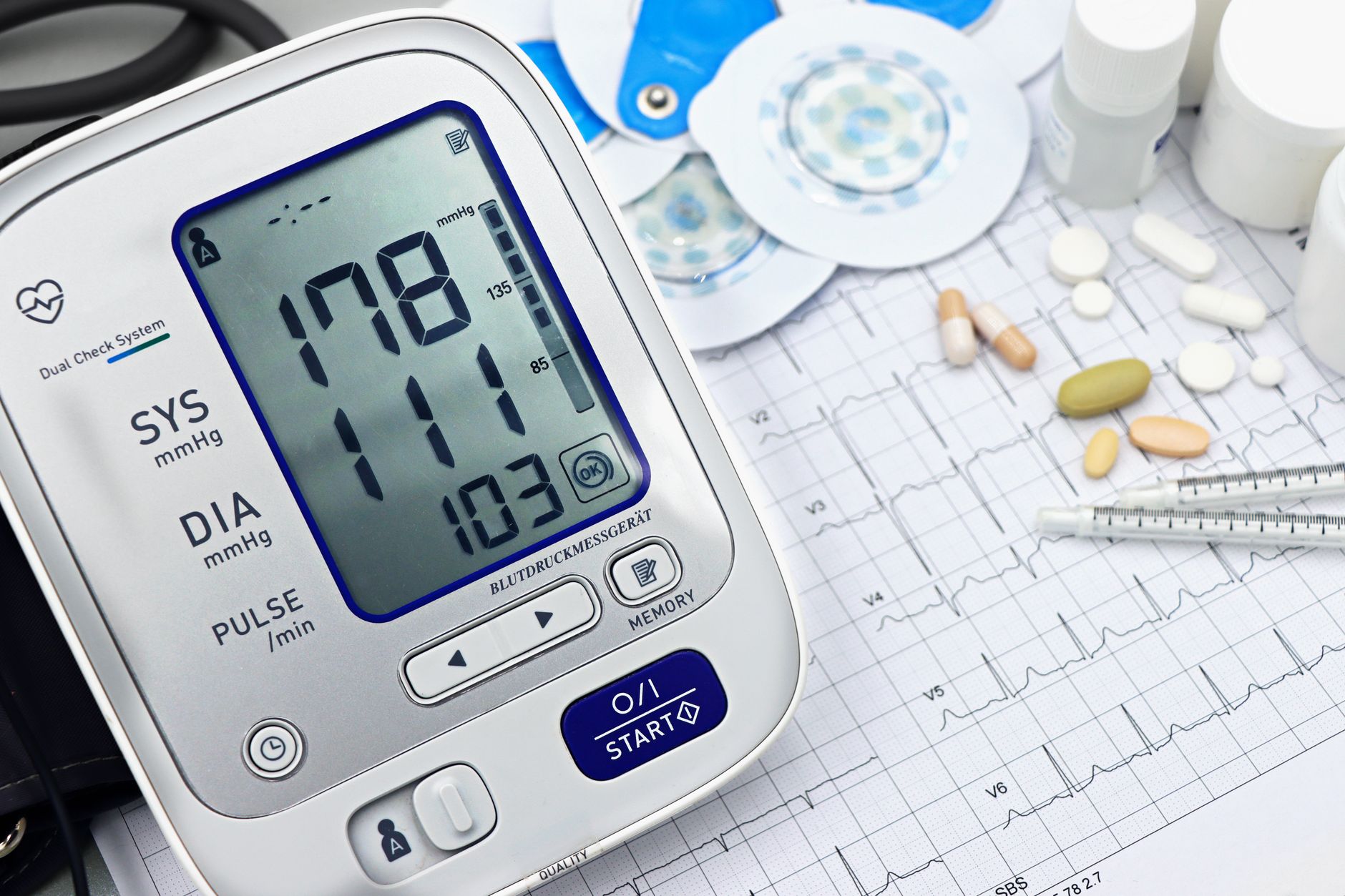
It might seem a subject ripe for late-night comedy, but the truth is far from humorous. Recent studies have illuminated a rather sobering fact: the penis can act as a barometer of men's health, offering crucial insights long before more severe symptoms arise. Erectile dysfunction (ED), often relegated to awkward banter, can be an early indicator of more serious health concerns such as cardiovascular disease and diabetes.
The mechanism behind this is quite compelling. The penis, like the heart, is a vascular organ. It relies on a healthy blood flow to function correctly. The arteries in the penis are significantly smaller than those in the heart. This means that any arterial damage will manifest as erectile dysfunction before more noticeable symptoms of heart disease, such as chest pain, become apparent.
The Vascular Connection
At the heart of this revelation is the vascular system. ED is often linked to the health of the endothelial system, which is responsible for maintaining the flexibility of blood vessels and regulating blood flow. When this system is compromised, the first signs often appear as ED. This connection explains why men with ED have a 59% higher risk of coronary heart disease, a 34% higher risk of stroke, and a 44% higher risk of developing heart disease compared to those without ED.
Furthermore, the onset of ED can precede major cardiovascular events by three to five years on average. This lag provides a critical window for intervention. Yet, societal notions often reduce discussions of ED to mere jest, missing the opportunity for early diagnosis and treatment.
A Call for Awareness
The need for awareness is urgent. Men, particularly those over 40, should not dismiss these symptoms as an inevitable part of ageing. Instead, they should be encouraged to seek medical advice if they experience persistent ED. Such action could prevent more serious health issues down the line.
In conclusion, the penis, albeit an unlikely candidate, serves as a vital signpost for men's health. By recognising the importance of these early warnings, we can shift the conversation from embarrassment to empowerment, encouraging men to take proactive steps in safeguarding their health.