The Intriguing Tale of Genes Jumping from Predator to Prey
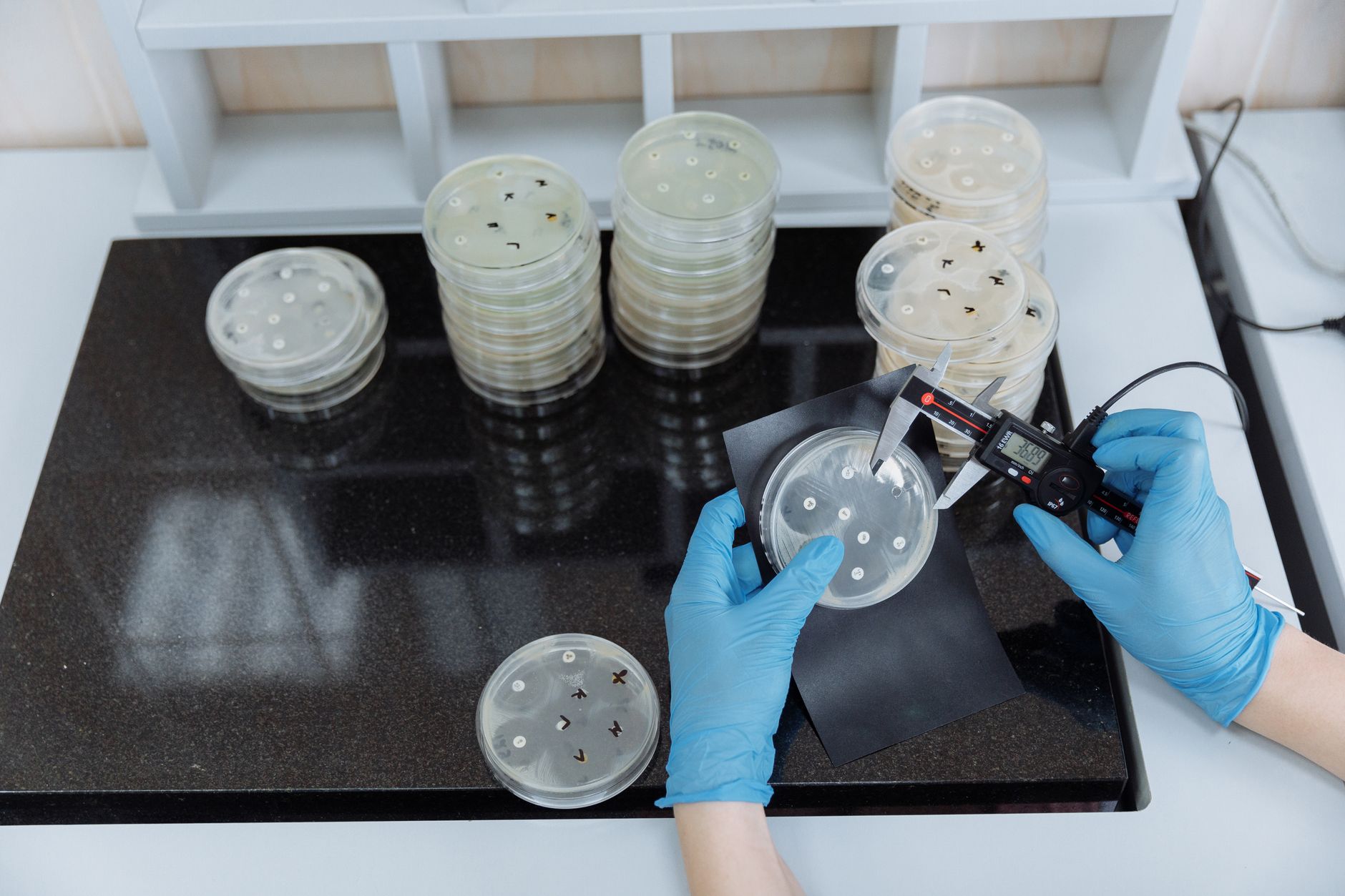
In a moment reminiscent of a science fiction thriller, scientists have witnessed a gene leap from predator to prey, a biological feat previously relegated to the realm of theory and hypothesis. This remarkable observation, akin to catching lightning in a bottle, provides the first direct evidence of such a genetic transfer, offering new insights into the mysterious world of transposable elements, or 'jumping genes'.
Transposable elements are genetic vagabonds, found in bacteria, plants, animals, and even humans. They are known for their ability to move around within a genome, and now, it seems, even beyond it. The scientific community has long speculated about their role in evolution and adaptability, but until now, direct observation of these elements hopping between species was elusive.
Implications for Evolution and Medicine
This discovery is more than a mere scientific curiosity. It opens a new chapter in our understanding of genetic evolution and the interconnectedness of life forms. The ability of genes to cross species boundaries may accelerate evolutionary processes, potentially giving organisms new traits and abilities.
Moreover, the implications for medicine are profound. Jumping genes are implicated in the spread of antibiotic resistance, a growing concern in global health. By understanding the mechanisms of gene transfer, scientists hope to devise better strategies to combat resistant strains of bacteria. Additionally, these elements are involved in the development of certain cancers, suggesting that this research could pave the way for novel treatments.
The Path Forward
While the observation of a gene jumping from a predator to its prey is a significant milestone, it raises as many questions as it answers. How common is this phenomenon in nature? What triggers such a transfer? And what are the long-term evolutionary consequences?
The researchers involved in this study are already planning further investigations. By expanding their observations to different ecosystems and organisms, they aim to map the frequency and conditions under which such genetic exchanges occur. As they continue to unravel the complexities of genetic transfer, the scientific community and the world at large stand to benefit from a deeper understanding of the genetic ties that bind us all.