The Overlooked Peril of Rising Temperatures
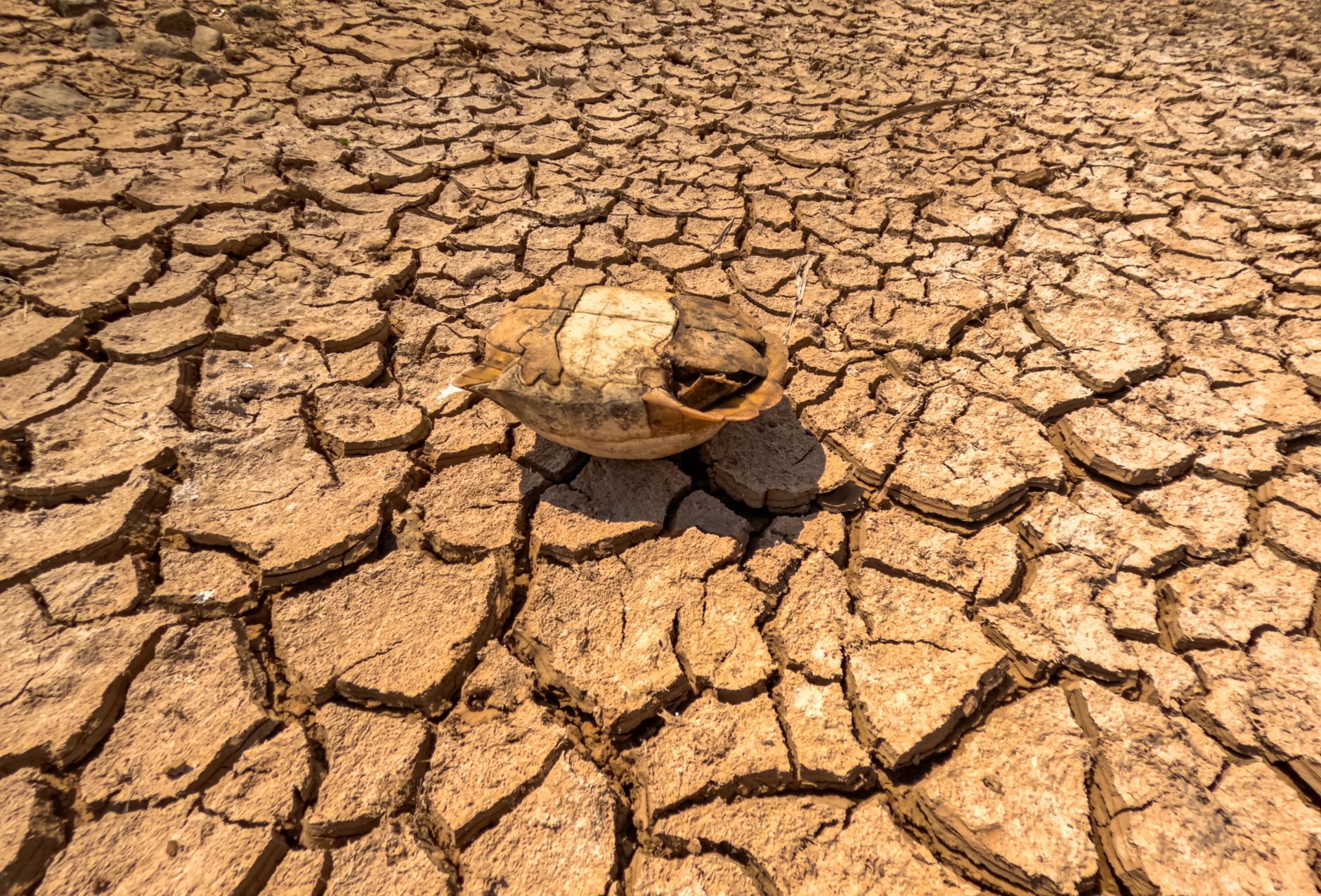
When the mercury soars, it is not just the ice cream vendors who feel the heat. The threat posed by extreme temperatures to human health is becoming increasingly evident, yet it remains perilously underestimated. With climate change intensifying, the world is facing more frequent and severe heatwaves, posing significant risks to both physical and mental well-being.
Our bodies are naturally equipped to cope with heat by dilating blood vessels and sweating, mechanisms that usually suffice under normal conditions. However, when temperatures reach extreme levels, these natural defences can become overwhelmed, leading to severe health ramifications. Heart, lungs, kidneys, and even the brain are not spared from the wrath of excessive heat.
Understanding the Bodily Impact
During a heatwave, the body works overtime to maintain a safe core temperature. Blood is redirected towards the skin, which can cause cardiovascular strain. For those with pre-existing heart conditions, this can be particularly dangerous, increasing the risk of heart attacks and strokes. Similarly, heat can exacerbate respiratory issues, as hotter air can worsen conditions like asthma and chronic obstructive pulmonary disease (COPD).
The kidneys, too, are put under pressure. Dehydration, a common consequence of excessive heat, can lead to acute kidney injury. Meanwhile, the brain suffers in silence, with studies linking extreme heat to cognitive impairments and poor decision-making. Such effects can have far-reaching implications, affecting everything from workplace productivity to road safety.
Who is Most at Risk?
The harsh reality is that extreme heat does not affect everyone equally. Vulnerable groups, including the elderly, children, and individuals with chronic illnesses like diabetes, face heightened risks. The socio-economic dimension cannot be ignored either. People living in poorer communities often lack access to air conditioning or green spaces, making them particularly susceptible to heat-related illnesses.
As public health officials grapple with these challenges, awareness and preparedness become critical. Health advisories, community support systems, and infrastructure improvements are vital in safeguarding those most at risk. In the face of a warming world, these measures are not mere options; they are necessities.