The Silent Buzz: How Disappearing Bees Threaten Our Health
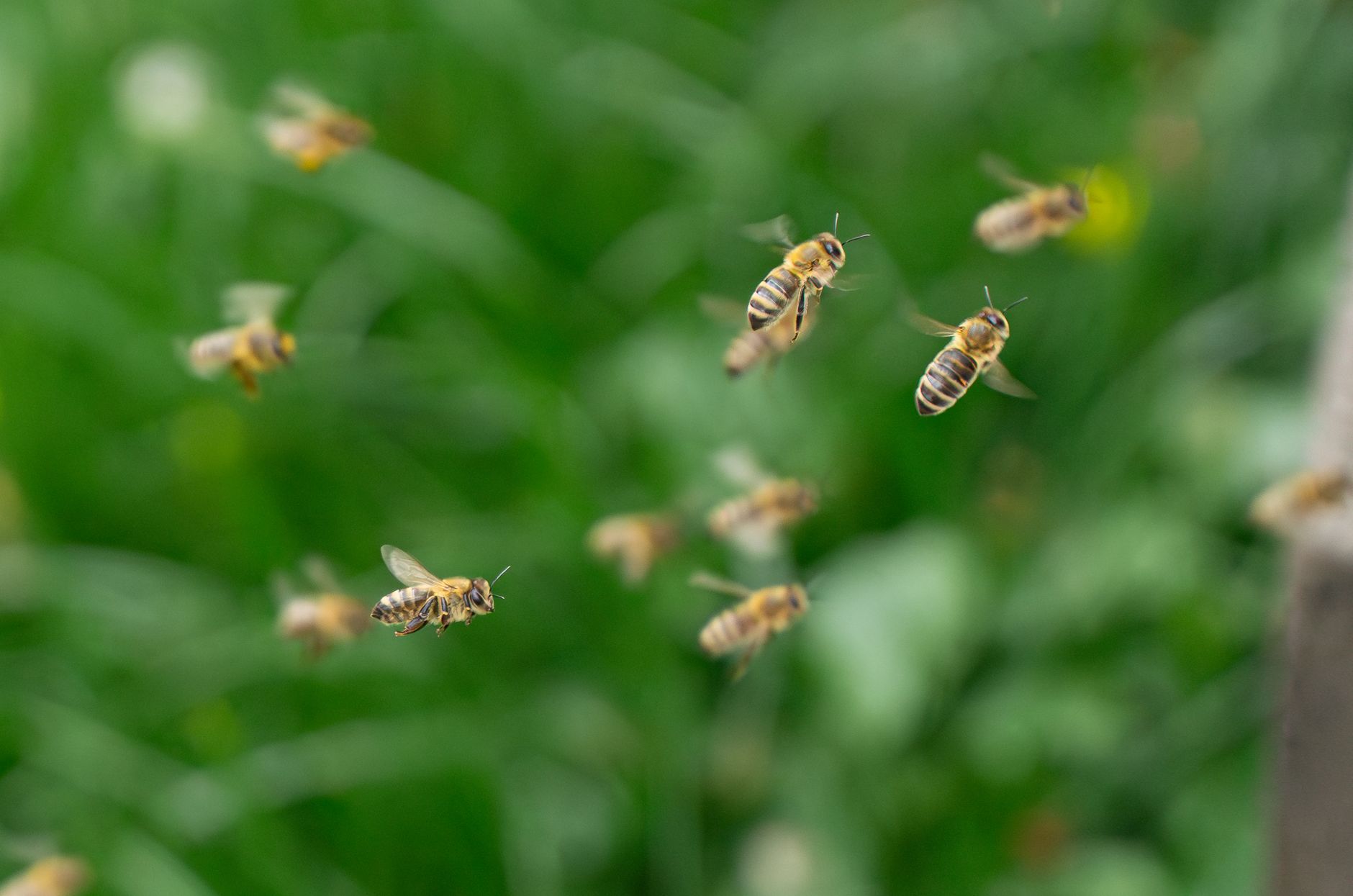
In a world increasingly preoccupied with technological marvels and geopolitical strife, the humble bee might seem an unlikely hero. Yet, the buzz around their plight is growing louder, as scientists unveil alarming connections between the decline of these pollinators and human health.
Bees, often relegated to the background of our consciousness, are in fact indispensable to our survival. They are responsible for pollinating approximately half of the world's crops. This isn't a niche concern for agriculture enthusiasts; it's a fundamental pillar of our global food supply.
The disappearance of bees, particularly wild species, has been a subject of concern for years. While managed bee populations have remained relatively stable, their wild counterparts are facing a precipitous decline. This imbalance poses a significant risk to biodiversity and, by extension, to human health.
The Unseen Consequence
What does this mean for our dinner plates? Quite a lot, as it turns out. Bees don't just contribute to the economy—they're involved in one out of every three bites of food we consume. Their role in pollinating fruits, nuts, and vegetables is critical. Without them, we face the spectre of food shortages and a marked decline in dietary diversity.
Nutritional deficiencies are not just hypothetical. They could become a harsh reality, particularly in regions already grappling with food insecurity. The economic implications are equally daunting. Billions of dollars in agricultural output are at stake, threatening livelihoods and national economies.
A Global Call to Action
The situation demands urgent attention and action. Policymakers are called to consider sustainable agricultural practices that support pollinator health. This may involve reducing pesticide use and promoting habitats that foster bee populations.
Around the world, initiatives are springing up, aiming to revive bee habitats and monitor their health. Yet, this effort requires collective willpower and a re-evaluation of how we value the natural contributors to our food systems.
The decline of bees is a clarion call to the interconnectedness of ecosystems and human health. As their hum grows fainter, the need for a robust response becomes all the more pressing. After all, the future of our food—and our health—may well depend on it.