The Silent Epidemic: Unsafe Food Endangering Millions Globally
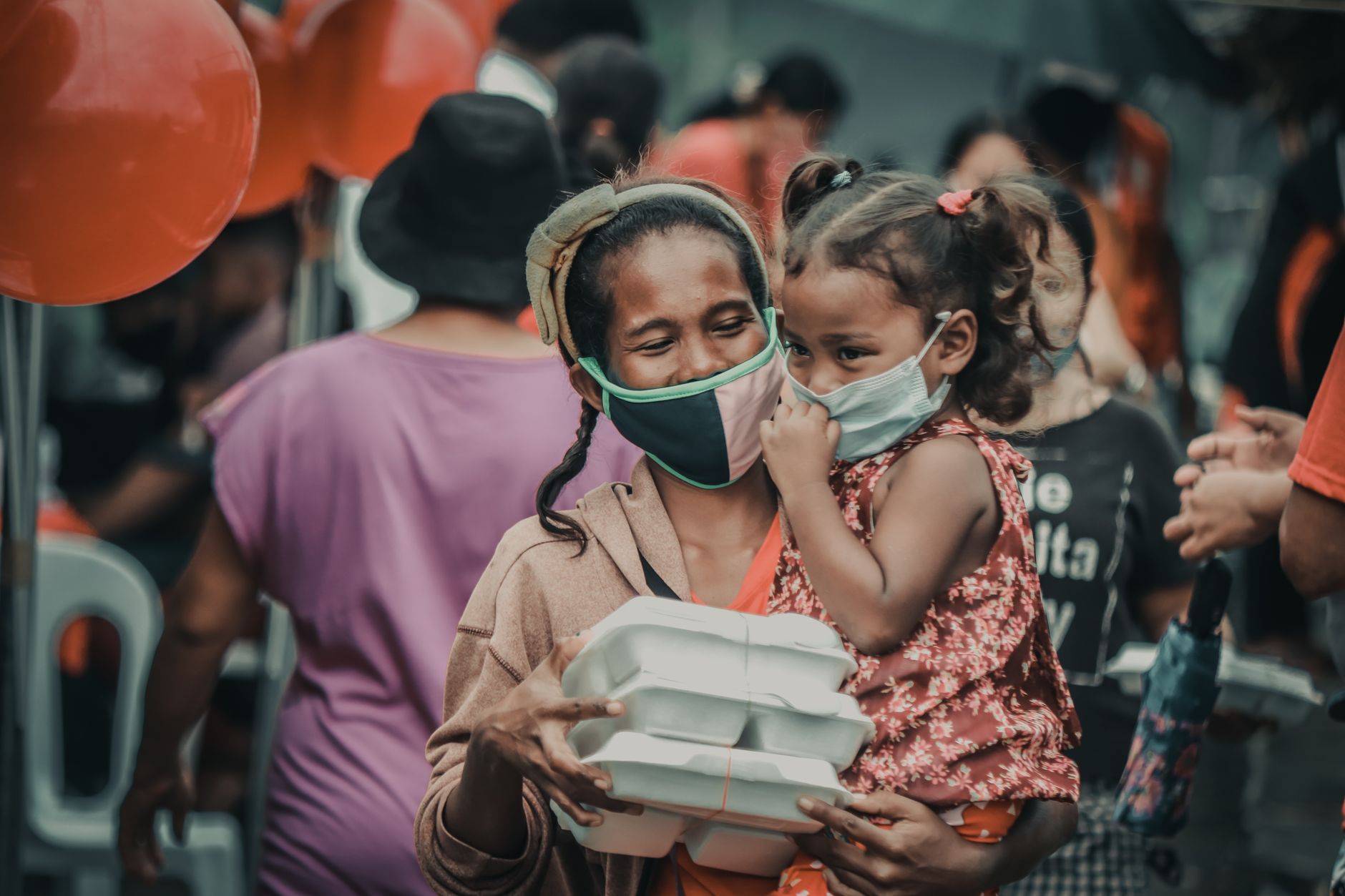
In an alarming revelation, the World Health Organization (WHO) has released data showing that unsafe food is responsible for approximately 866 million illnesses and 1.5 million deaths annually across the globe. The most vulnerable are the youngest among us, with children under five bearing the brunt of this silent epidemic.
The statistics are staggering. While the issue of food safety might not capture headlines as frequently as other global health concerns, its impact is undeniably profound. The WHO's analysis indicates that young children are nearly three times more likely to fall ill from unsafe food compared to older children and adults. This disparity highlights a critical area where intervention could save countless lives.
The Vicious Cycle of Illness and Malnutrition
Unsafe food doesn't just cause immediate health issues; it initiates a vicious cycle of disease and malnutrition. Poor food safety can lead to long-term health problems, impairing development and contributing to a larger economic burden on already fragile healthcare systems. The interconnectedness of food safety, nutrition, and food security means that addressing one aspect can have ripple effects throughout a community.
The WHO's call to action is clear: improved water, sanitation, and hygiene practices are essential. These measures are not just about preventing illness; they are vital components of sustainable development, supporting national economies, and ensuring food security. In many developing regions, the infrastructure for safe food handling is lacking, exacerbating the problem and leaving many without the means to protect themselves from contamination.
A Global Imperative
World Food Safety Day, observed annually, aims to raise awareness of the importance of food safety and encourage action at all levels. As the next observance looms on the horizon, the statistics serve as a stark reminder of the work that remains. Ensuring food safety is not merely a health issue; it is a socioeconomic one, with the potential to affect trade, tourism, and overall economic stability.
For parents, the thought that a meal could harm rather than nourish their child is a dreadful one. Yet for many around the world, this is a daily fear. International cooperation and commitment are crucial to enhancing food safety standards and protecting the most vulnerable. The stakes are high, and the time to act is now.