The Silent Peril: Are We Underestimating Extreme Heat's Health Impact?
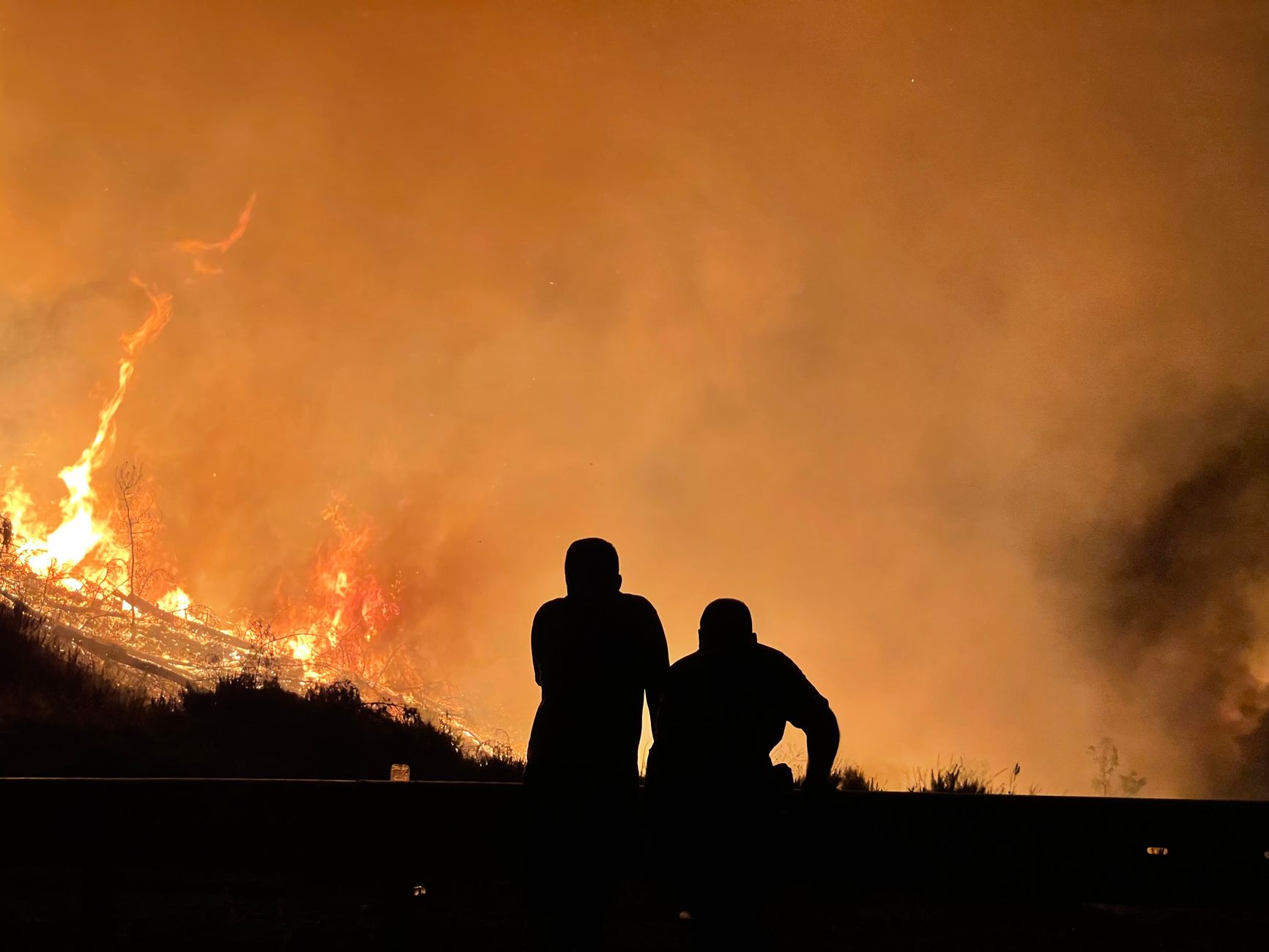
The air shimmers in the midday sun, a relentless wave of heat pressing down on city streets. Yet, the true danger might not be the visible mirage, but rather an insidious threat to our health. Recent research suggests that we may be underestimating the peril posed by extreme heat, a risk that extends beyond mere discomfort to serious medical concerns.
When temperatures soar, the human body initiates a series of responses to maintain equilibrium. Blood vessels dilate, blood is redirected towards the skin, and sweat production increases as the body's natural cooling mechanisms kick in. However, prolonged exposure to high heat can overwhelm these systems, leading to heat exhaustion, heatstroke, and exacerbating pre-existing conditions such as heart disease and respiratory disorders.
Jennifer Vanos of Arizona State University co-authored a study highlighting that many urban areas are ill-equipped to handle the full scope of heat-related dangers. The research points to a correlation between heatwaves and increased hospital admissions, preterm births, and even cognitive impairments. Yet, public health strategies often fall short, focusing primarily on immediate survival rather than long-term health ramifications.
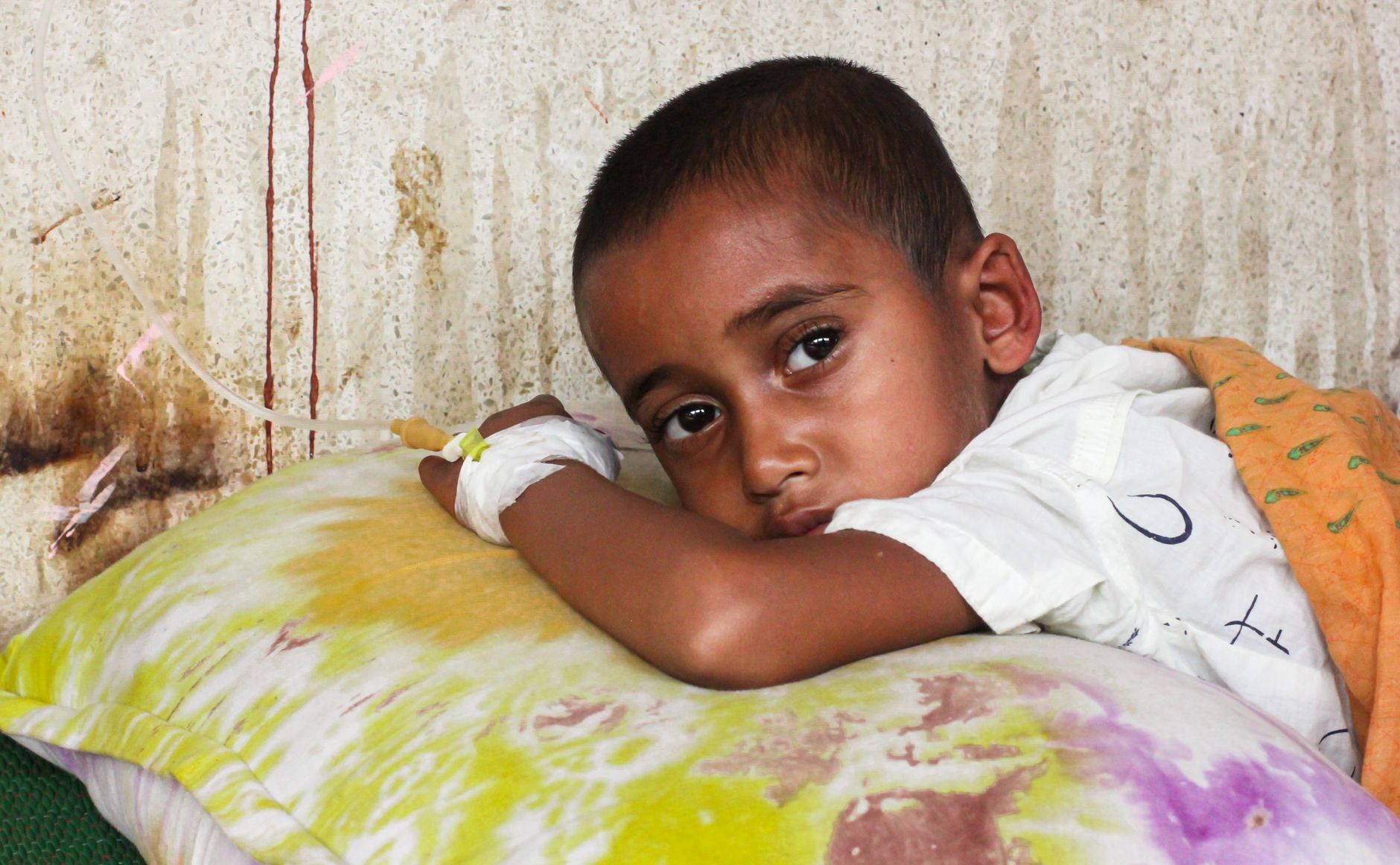
Globally, as climate change continues to accelerate, the frequency and intensity of heatwaves are expected to rise. This escalation poses a particular threat to vulnerable populations, including the elderly, children, and those with pre-existing health issues. The study recommends that cities bolster their healthcare systems to better support these at-risk groups during heat events.
Moreover, there is an urgent need to integrate mental health services into emergency planning. The psychological toll of extreme heat, often overlooked, can lead to increased stress, anxiety, and poor decision-making. This multifaceted threat underscores the necessity for comprehensive policies that address both physical and mental health challenges posed by extreme heat.
As the planet warms, the question remains: Are we truly prepared to face the heat? The evidence suggests not. It may be time to rethink our approach, recognising that the heat is not just an inconvenience but a formidable health hazard.