The Silent Sting: How Declining Bees Threaten Human Health
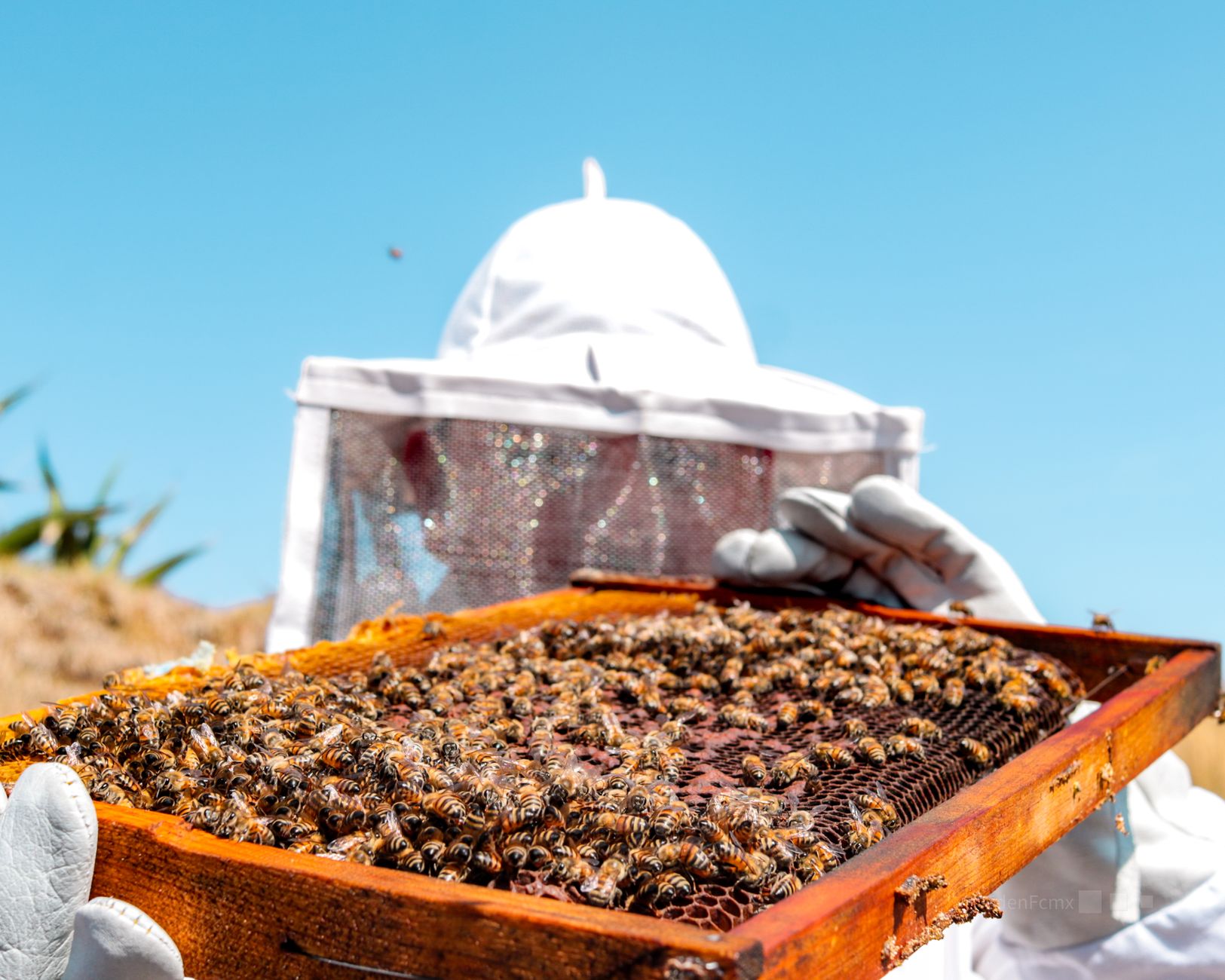
In a world where the buzz of bees is fading, the consequences are more than just a quieting of nature's soundtrack. The decline in pollinator populations, particularly bees, has emerged as a looming threat to human health, according to a groundbreaking study released by the University of Washington. The research, which delves into the link between pollinators and human nutrition, reveals a stark future where essential dietary nutrients could drastically diminish.
Pollinators, those industrious insects responsible for fertilising crops, are critical to global food supplies. They play a pivotal role in the production of fruits, vegetables, and nuts, all of which are rich in vitamins and minerals. The study warns that a decline in these insects could lead to a significant drop in the availability of these nutrient-dense foods. "It's not just an environmental issue," asserts lead researcher Matthew Smith. "It's a public health concern."
The Hidden Costs
The implications of diminishing pollinator populations stretch far beyond the fields they service. Nutritional deficiencies, the researchers warn, could become widespread, particularly in regions heavily reliant on agriculture. The Karnali highway in Nepal, for example, connects isolated communities that depend almost entirely on locally grown produce. Here, the loss of bees could spell disaster for both diet and economy.
Smith's study underscores the necessity for robust conservation efforts. Protecting wild pollinators isn't merely an act of environmental stewardship but an investment in human health. "By ignoring the plight of pollinators, we risk undermining our own health," Smith cautions, highlighting the interconnectedness of ecological and human well-being.
An Urgent Call to Action
Efforts to mitigate the decline of pollinators must be multi-faceted. Solutions range from reducing pesticide use to enhancing habitats. Governments and environmental organisations are urged to implement policies that favour sustainable agricultural practices. Without intervention, the hum of bees might one day be just a whisper of the past, along with the dietary benefits they bring.
As the study indicates, the stakes are high. The health of our planet and its people hangs in the balance, and the time to act is now. Every bee saved is a step towards securing a healthier future for all.