The Silent Symphony of Corruption in Politics

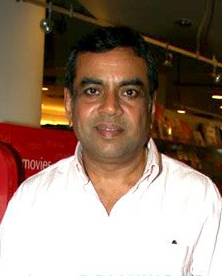
In the noisy corridors of politics, where every scandal is dissected and debated, there are instances of corruption that glide silently through, evoking little more than a murmur. Pratap Bhanu Mehta, a prominent voice in political analysis, addresses this paradox where corruption fails to make a political noise, suggesting a troubling normalisation of such practices.
Corruption, by its very nature, should be a source of outrage, a rallying cry for reform and justice. Yet, Mehta underscores a phenomenon where certain acts of political misconduct do not provoke the expected public outcry. This silence, he argues, is not due to a lack of awareness, but rather, a deeper issue embedded within the fabric of political culture itself.
The Normalisation of Misconduct
Mehta posits that when corruption becomes endemic, its shock value diminishes. Citizens, burdened by a barrage of scandals, may become desensitised. This desensitisation allows corrupt practices to become woven into the political norm, dulling public indignation and weakening democratic accountability. It's a cycle that perpetuates silence and complicity, rather than action.
He further notes that political actors often exploit this silence. By keeping scandals under wraps or manipulating narratives, they avoid the scrutiny that comes with public outrage. This strategic silence is not just advantageous but essential for maintaining power structures that benefit from corruption.
Systemic and Societal Factors
The issue, as Mehta outlines, is not confined to politics alone. It reflects broader systemic and societal factors where economic disparities, media influences, and judicial inefficiencies play a role. When institutions fail to act as robust checks on power, corruption thrives unnoticed, much like a shadow in dim light.
Moreover, Mehta suggests that a lack of viable political alternatives can stifle dissent. When citizens feel that all options are equally tainted, the motivation to demand change wanes. This resignation further entrenches the status quo, making the silent symphony of corruption all the more pervasive.
In concluding, Mehta calls for a renewed commitment to transparency and accountability. The fight against corruption, he insists, must be relentless and unyielding. Only then can the silence be broken, and the political discourse be restored to a space where integrity and justice prevail.