The Subtle Dance of Power: How Politics Shapes Our World
In the cacophony of modern life, politics stands as both a beacon and a bane. It is the art of compromise, the science of governance, and, at times, the theatre of the absurd. Like an intricate dance, politics weaves its way through every facet of our existence, from the local council debating zoning laws to international summits addressing climate change.
Historically, politics has been the playground of philosophers, kings, and revolutionaries. The ancient Greeks, with Plato and Aristotle at the helm, laid the groundwork for political thought, pondering the ideal state and the virtues of citizenship. In India, Chanakya's Arthashastra offered a pragmatic approach to statecraft, a testament to the timeless nature of political discourse.
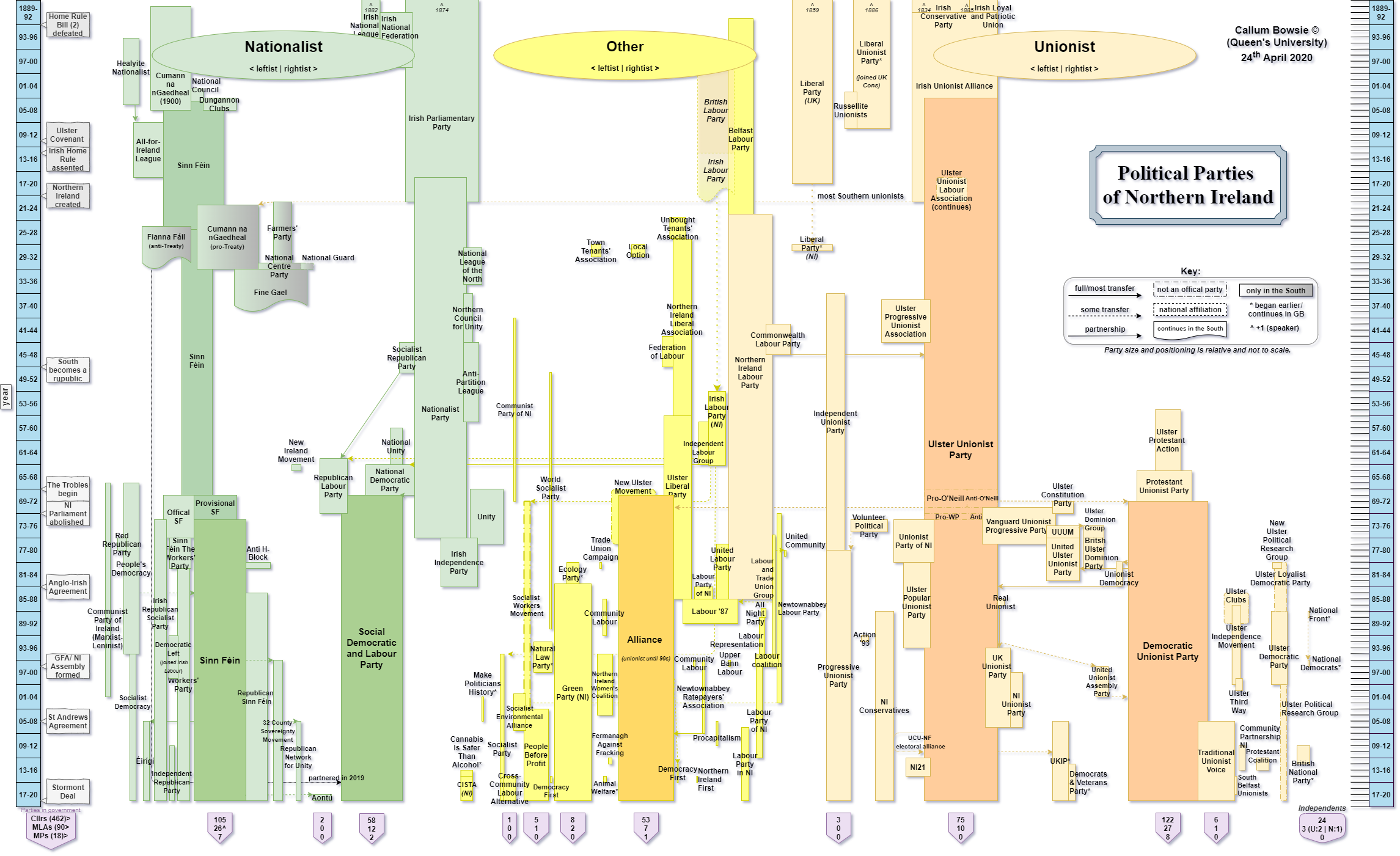
Fast forward to the present, and the political landscape is as diverse as it is divided. Political parties vie for power, each promising prosperity and progress. Elections have become the battleground where ideologies clash and alliances form, a reflection of the democratic ideals many nations uphold.
Yet, politics is not merely a contest for power; it is a tool for change. It holds the potential to address societal woes through legislation and policy. While cynicism often clouds public perception, politics, at its core, is about negotiation and compromise, striving for the greater good.
In the UK, the political scene is marked by debates over Brexit, healthcare, and economic policy. Across the pond, American politics grapples with issues of race, immigration, and international relations. Meanwhile, emerging economies navigate the complexities of modern governance, balancing tradition with innovation.
As the world continues to evolve, so too does politics. It is a reflection of society's values and aspirations, a mirror of our collective consciousness. Whether viewed with hope or scepticism, politics remains an indelible part of the human experience, shaping the world we live in.