The Unseen Bottleneck: Advanced Chip Packaging in AI
In the shadowy realm of semiconductor technology, where silicon and software meet, a once obscure field has quietly become a pivotal battleground. Advanced chip packaging, previously a niche speciality, is now the linchpin in the global race for artificial intelligence dominance. As the world grapples with the implications of AI, the importance of this technology has surged to the forefront.
Subramanian Iyer, a specialist at the University of California, Los Angeles, has dedicated his career to this field. For years, his work was a quiet corner of the tech world, largely unnoticed by those outside the industry. But now, as AI's insatiable appetite for computational power grows, the spotlight has turned towards this critical technology.
The New Frontier
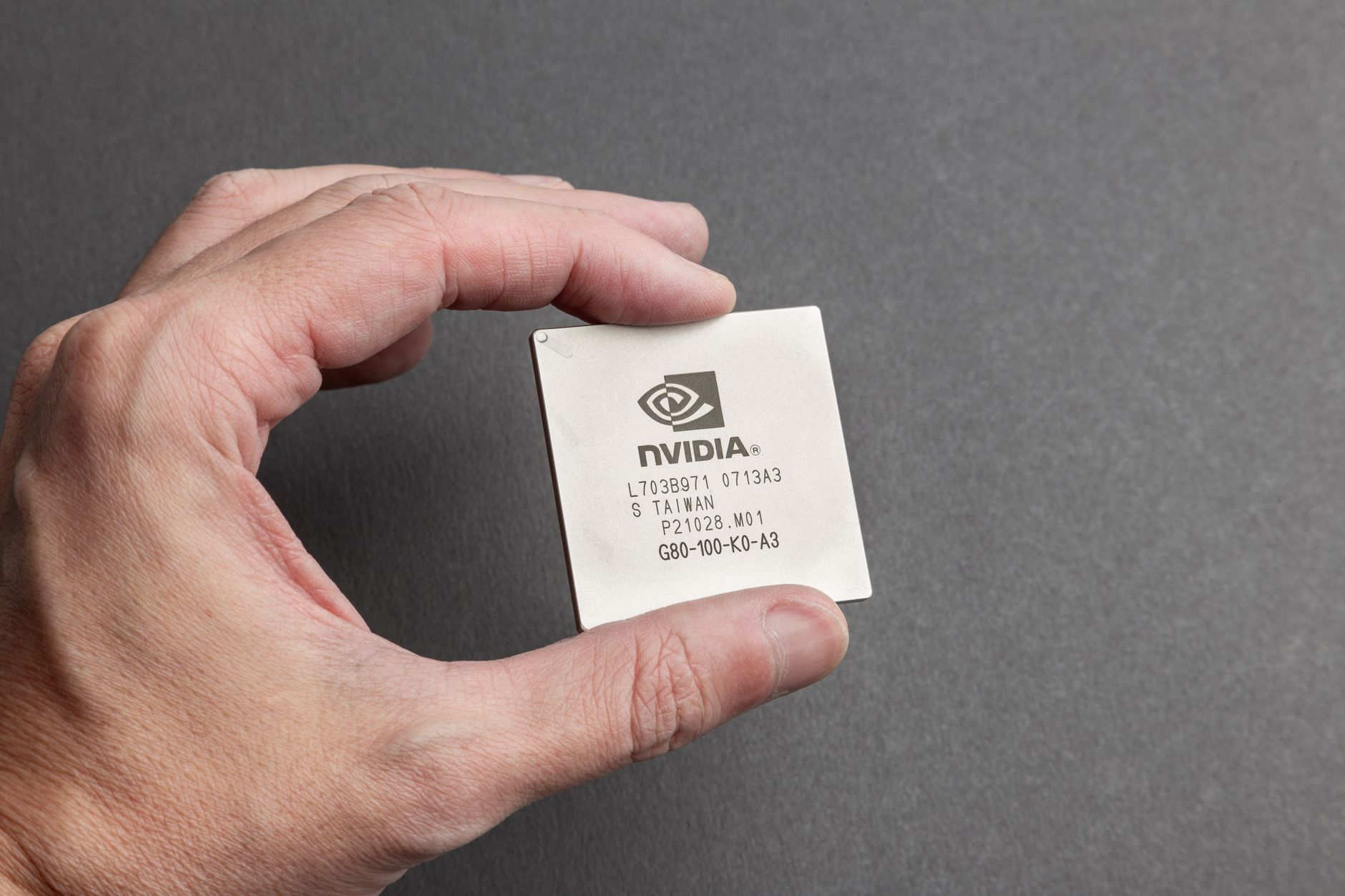
Advanced chip packaging involves stacking and interconnecting multiple chips in a single package, enhancing performance while reducing energy consumption. This leap in efficiency is critical as AI applications demand more power. The technology has become a bottleneck, with Nvidia, Microsoft, and OpenAI at the helm, pushing the boundaries of what these chips can achieve.
The dominance of these tech giants in AI has not gone unnoticed. Their control over the necessary hardware and software frameworks is prompting regulators worldwide to reconsider the ethical and competitive landscapes. This control is not just about market power but also about national security and economic stability.
Geopolitical Implications
With countries increasingly reliant on AI for both economic growth and military strength, the geopolitical stakes are high. The United States, China, and the European Union are all vying for leadership, knowing that advanced chip technology is crucial to their ambitions. This dependency on sophisticated chip designs highlights a pressing vulnerability: the global reliance on a few key players.
As nations invest in their semiconductor capabilities, the future of AI could hinge not just on software innovations but also on who controls the hardware. The once sleepy niche of advanced chip packaging has become a choke point, a reminder that in the race for AI supremacy, even the smallest components can have outsized impacts.