The Unseen Bottleneck: How Chip Packaging Shapes AI's Future
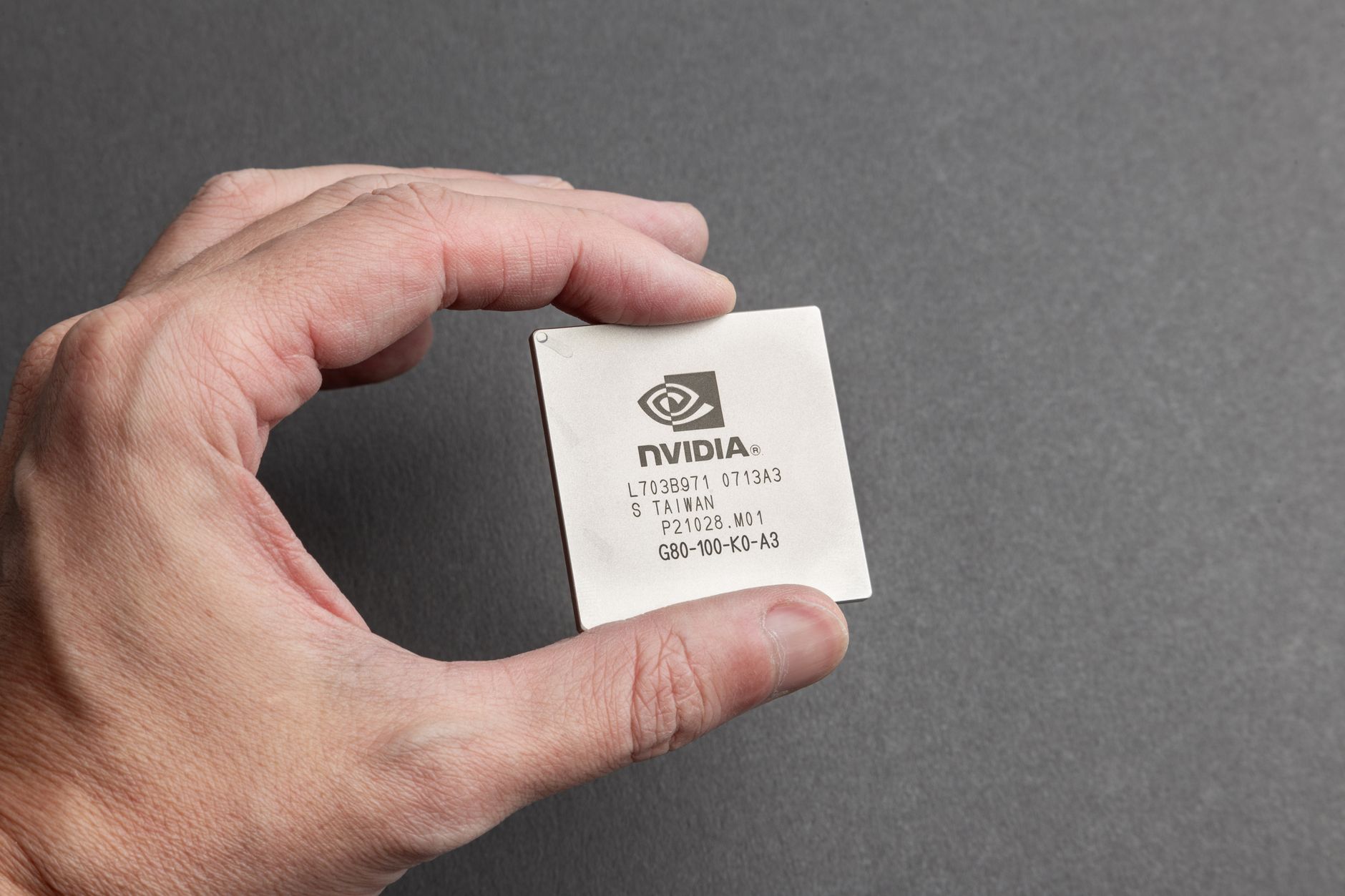
In the shadowed recesses of semiconductor manufacturing, where transistors and circuits dance to the rhythm of innovation, a humble yet vital process has emerged as a linchpin for artificial intelligence. Advanced chip packaging, once a niche interest for a select few engineers, now stands as a critical choke point in the AI supply chain.
As AI technologies proliferate, the demand for computing power has soared, placing unprecedented pressure on chipmakers. While the spotlight often focuses on design breakthroughs, the unsung hero of this evolution is the packaging that encases these micro marvels. It is this packaging that enables chips to perform at their peak, making it indispensable in the high-stakes race to dominate AI.
Yet, this crucial step in chip production is not without its complications. Much of the world's advanced chip packaging is concentrated in Taiwan, a geopolitical hotspot that keeps global tech giants on edge. This dependency poses a significant risk, particularly as tensions between major powers simmer.
Understanding the Geopolitical Implications
The reliance on Taiwan for advanced packaging technology highlights a broader issue within the tech industry: the delicate balance between innovation and supply chain security. As nations scramble to assert their dominance in AI, the bottleneck at the packaging stage could stymie progress or, at the very least, slow it to a crawl.
For the United States and other tech-leading nations, diversifying supply chains and investing in domestic capabilities have become pressing priorities. However, creating an independent packaging infrastructure is neither quick nor easy, requiring substantial investment and time.
The Path Forward
In response, industry leaders are advocating for a strategic overhaul of the AI supply ecosystem. Collaborative efforts between governments and private sectors could mitigate the risks posed by this bottleneck. Moreover, research into alternative packaging technologies is gaining momentum, promising potential breakthroughs that may circumvent the current limitations.
As we stand on the cusp of an AI-driven era, the story of chip packaging serves as a reminder that even the most sophisticated technologies rest on the shoulders of seemingly mundane processes. The future of AI may hinge as much on geopolitical agility and industrial foresight as it does on algorithms and data.