Three Decades After Dolly: The Evolution of Cloning
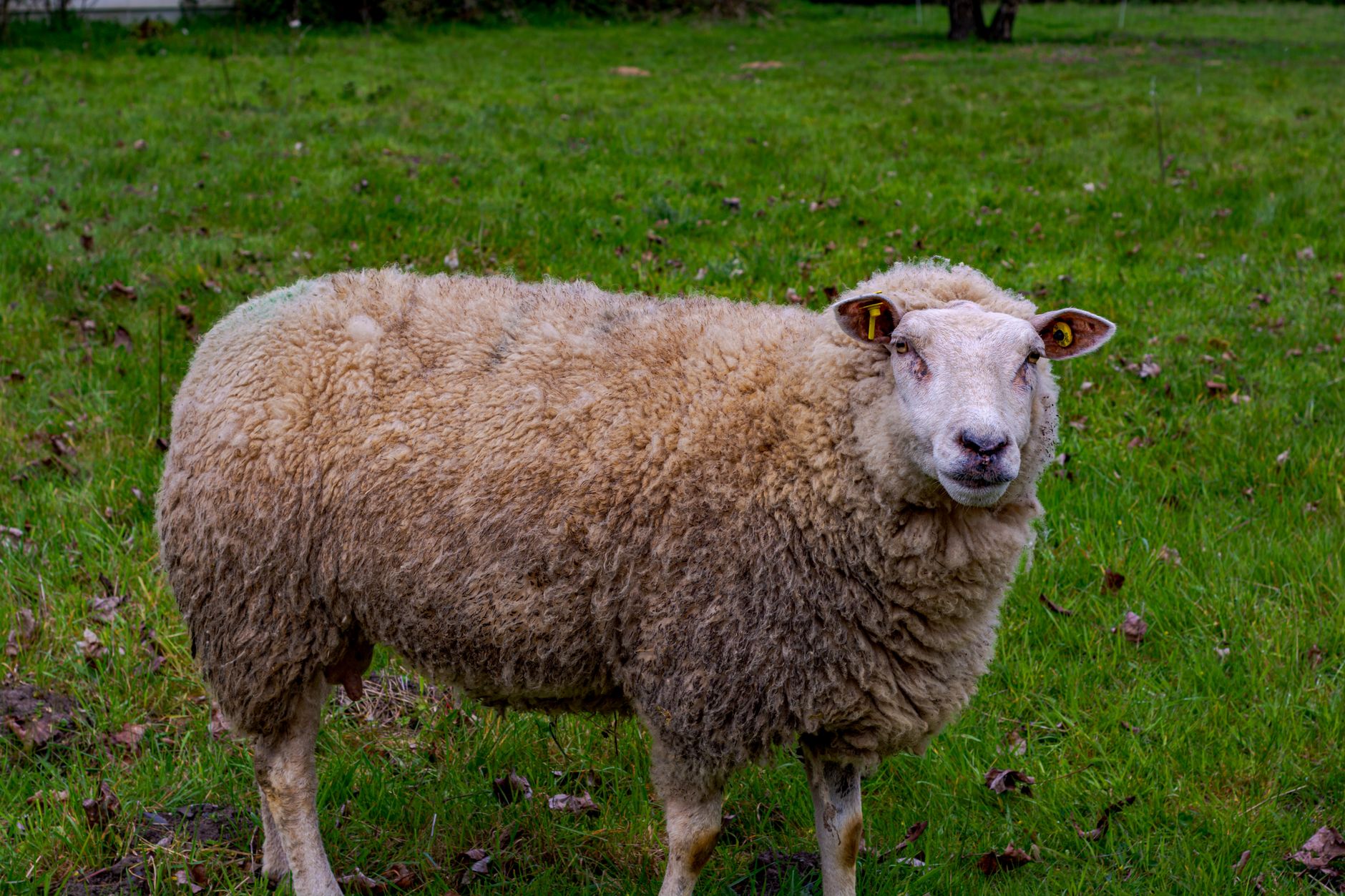
It was a warm July day in 1996 when Dolly the sheep emerged into the world at the Roslin Institute in Scotland. Not just any lamb, she was the first mammal cloned from an adult somatic cell, marking a profound leap in genetic science. Dolly would come to symbolise both the possibilities and the perils of biotechnological advancement.
In the ensuing years, cloning has indeed progressed, though not quite in the way early enthusiasts might have envisioned. The promise of cloned livestock revolutionising agriculture has been tempered by practical and ethical hurdles. While some cattle and pigs have indeed been cloned for agricultural purposes, the process remains costly and complex.
Cloning in Conservation
Where cloning has found a more receptive application is in conservation. With species extinction rates alarmingly high, scientists have turned to cloning as a potential lifeline. The recent cloning of the black-footed ferret and Przewalski’s horse demonstrate both the hope and the hurdles of this technology. However, cloning cannot replace the need for habitat conservation and other traditional methods.
The Human Element
Human cloning, however, remains firmly in the realm of science fiction. Ethical dilemmas and technical barriers have kept reproductive human cloning off the table in most countries. The spectre of 'designer babies' and the potential for misuse ensure that regulation remains stringent. Nevertheless, therapeutic cloning, which involves creating tissues and organs for medical purposes, continues to advance, promising benefits in regenerative medicine.
As we look back on the thirty years since Dolly's birth, it's clear that cloning technology has not stalled but rather diversified. It offers tremendous potential in specific fields, yet remains a subject of vigorous debate. The ethical implications and technical challenges ensure that cloning remains a field where science and society must tread carefully.