Three Decades After Dolly: The Reality of Cloning Today
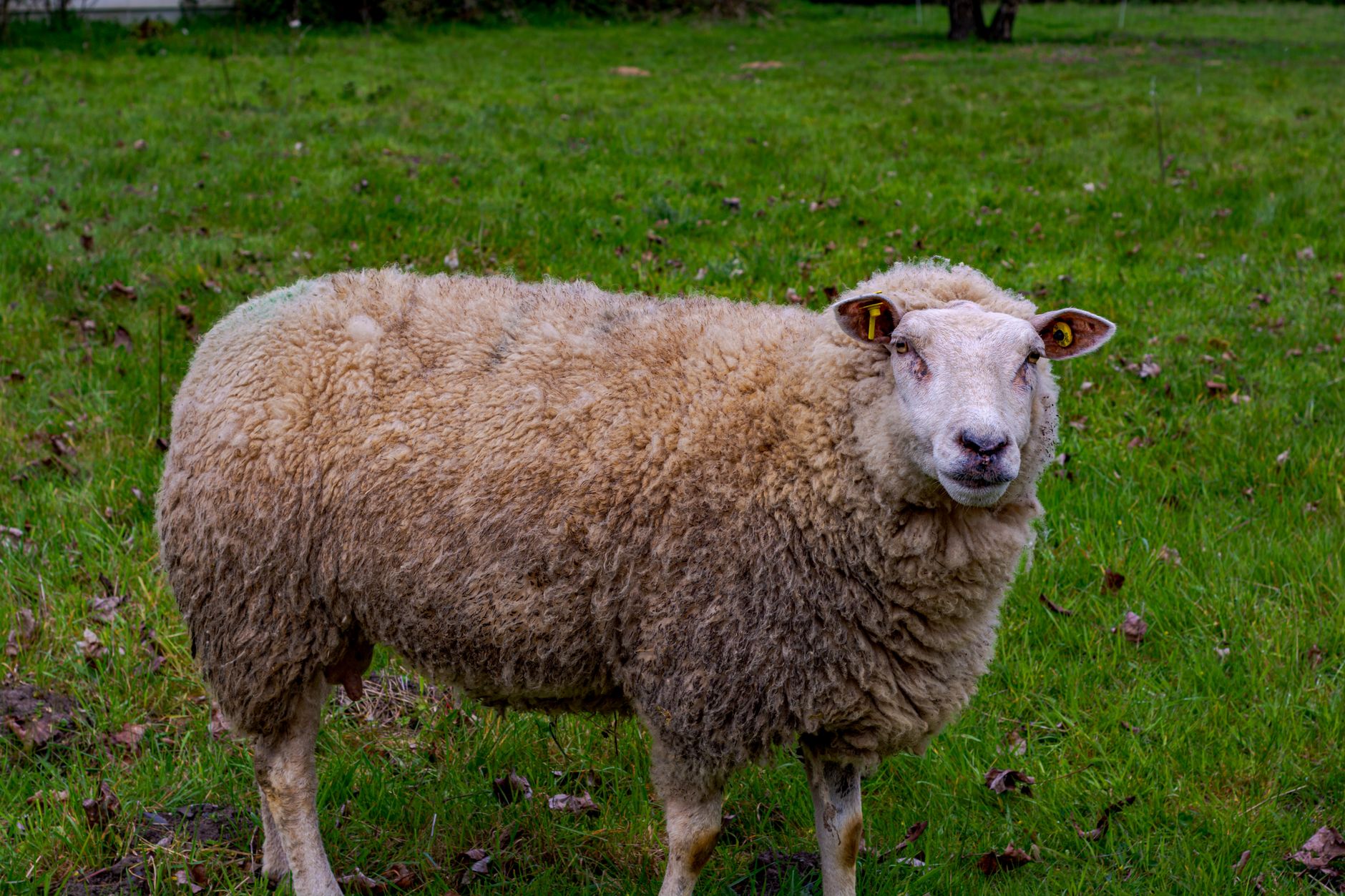
It was a chilly February in 1996 when Dolly the sheep entered the world, not through the customary miracle of birth, but through the complex choreography of cloning. Her arrival marked a watershed moment in scientific history, igniting debates that spanned ethics, potential, and the boundaries of human ingenuity.
Fast forward three decades, and one might wonder where the promises of that era have led us. Are we living in a world where dinosaurs roam, as predicted by our most imaginative science fiction authors? Not quite. The reality is both more grounded and, in some ways, more surprising.
Cloning Today: Practical Realities
Today, cloning is less about creating a menagerie of ancient beasts and more about the pragmatic applications in agriculture and medicine. In the agricultural sector, cloning technology has been harnessed to produce livestock with desirable traits, ensuring consistency in quality and supply. Cloning cattle for higher milk production or disease resistance is no longer just a possibility but a reality.
In the realm of medicine, cloning has opened new avenues for research, particularly in the field of regenerative medicine. Scientists have been able to generate stem cells through cloning, which can potentially be used to replace damaged tissues or even grow organs. While still in the experimental stages, this could revolutionise how we approach organ transplants and treat degenerative diseases.
The Ethical Debate
Yet, with these advancements come ethical conundrums. The very act of cloning raises questions about identity and the implications of 'playing God'. The cloning of pets has already become a commercial venture, allowing people to 'replace' their beloved companions. While this may bring comfort to some, it also stirs concerns about commodifying life.
Moreover, the quest to resurrect extinct species, a notion popularised by films, remains largely speculative. The technical and ethical challenges of bringing back a woolly mammoth or a dodo are immense, and many scientists argue resources would be better spent on conserving existing endangered species.
As we look back at the legacy of Dolly, it's clear that cloning has not fulfilled the fantastical predictions of the past. Instead, it has carved out a more nuanced role, one that continues to evolve as our understanding and technology improve. Whether this will lead to the breakthroughs once imagined remains a question for the future, but the impact of cloning, both realised and potential, is undeniable.