Three Decades After Dolly: The State of Cloning Today
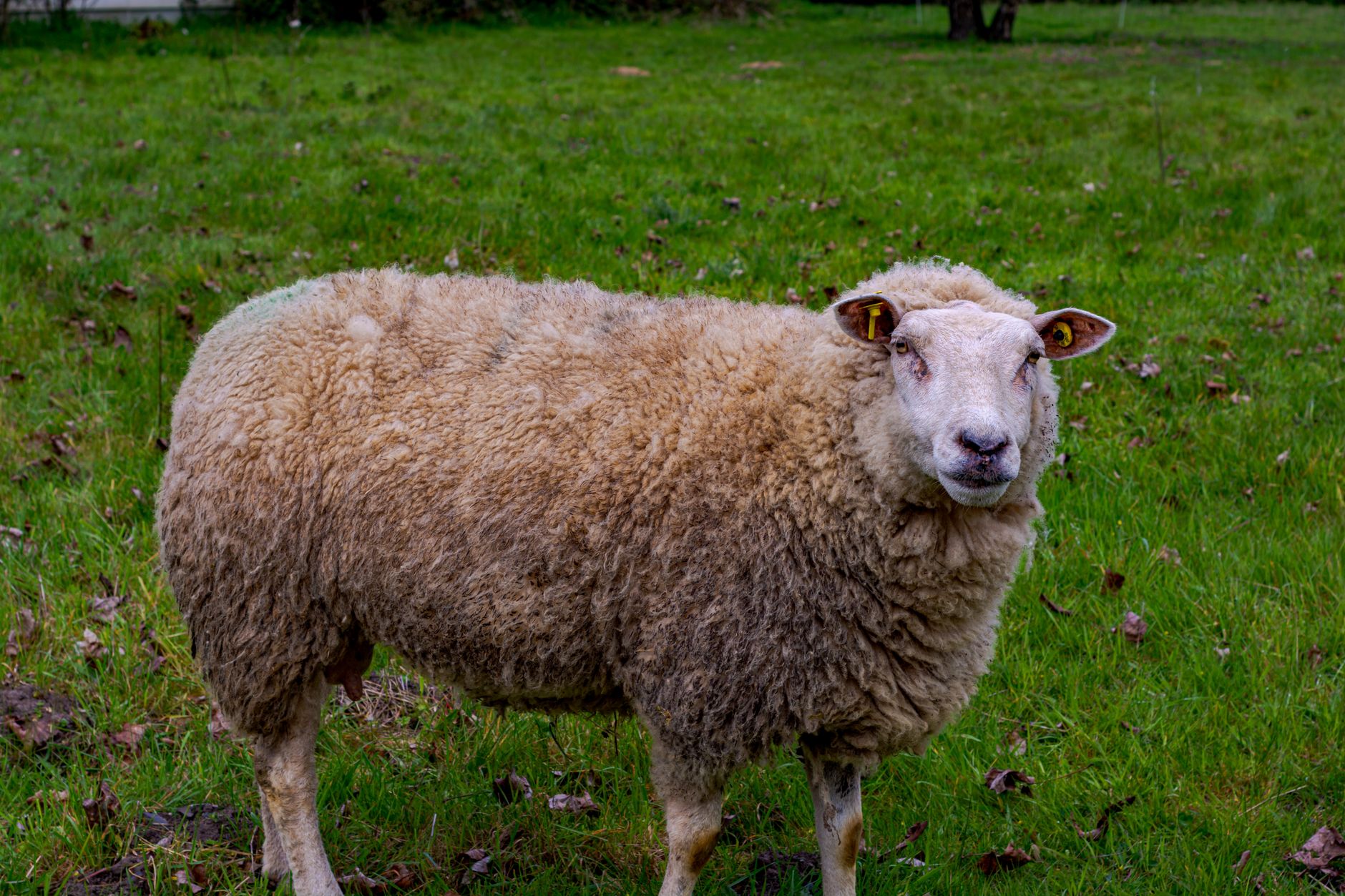
In 1996, a sheep named Dolly emerged from a Scottish laboratory, not just as a new breed of sheep but as a global icon of scientific ingenuity. Dolly was the first mammal cloned from an adult somatic cell, an achievement that seemed to herald a new age of biological engineering. Three decades on, the story of cloning is both an account of progress and a tale of unfulfilled promises.
The initial excitement around cloning led to a surge in research, with hopes of revolutionary breakthroughs in medicine, agriculture, and even the possibility of resurrecting extinct species. Scientists envisaged cloning as a means to replicate tissues and organs, potentially offering cures for a multitude of diseases. In agriculture, cloning promised livestock with desirable traits, enhancing food production and security.
Scientific Advances and Ethical Quandaries
Today, cloning technology has indeed etched out significant achievements. In medicine, therapeutic cloning has been employed to create stem cells for research, offering potential for regenerative treatments. Agriculture has seen the benefits too, with cloned livestock contributing to the consistency of quality and quantity in meat production.
However, these advances are not without controversy. Ethical considerations loom large, particularly concerning the welfare of cloned animals, the implications of human cloning, and the potential for genetic diversity loss. The debate over 'designer babies' and the moral implications of genetic manipulation have kept human cloning largely in the realm of science fiction.
Future Prospects and Challenges
The future of cloning technology is both promising and uncertain. While the scientific community continues to push the boundaries, public opinion remains divided. The challenge lies in navigating the ethical landscape while harnessing the potential of cloning to address global issues.
As we reflect on the thirty years since Dolly's birth, cloning stands as both a testament to human curiosity and a reminder of the complexities inherent in playing with the building blocks of life. It is a field that, despite its controversies, continues to captivate the imagination of scientists and laypeople alike.