Tighter Visa Rules Challenge Foreign Entrepreneurs in Japan
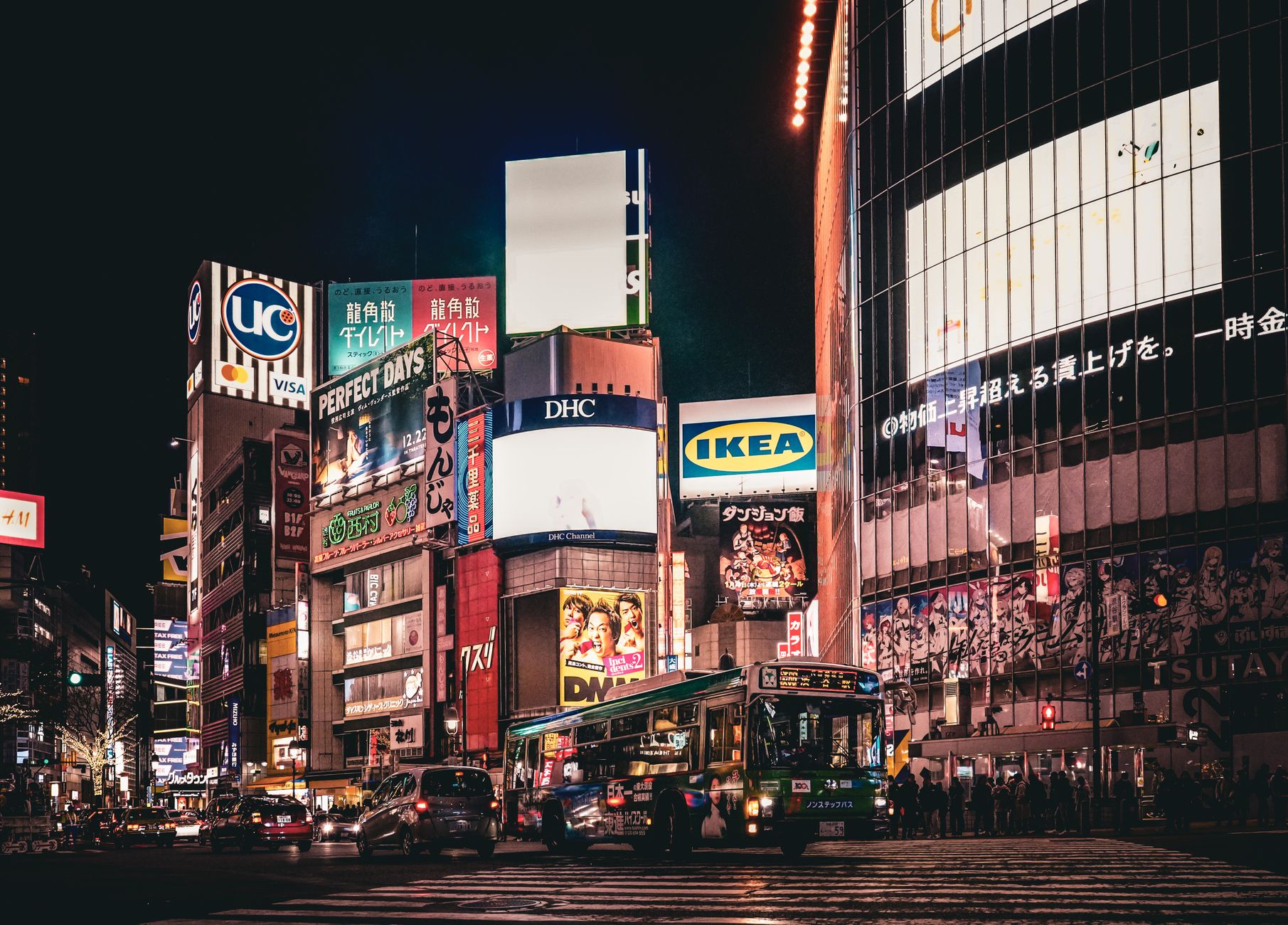
In the bustling streets of Tokyo, the air is thick with uncertainty for many foreign entrepreneurs who call Japan home. Stricter visa rules, introduced last October, have left them grappling with the potential upheaval of their businesses. The revised requirements for the Business Manager visa compel foreign business owners to articulate their business's capital, employment strategy, tax compliance, and sustainability in greater detail than ever before.
According to a survey conducted by Tokyo Shoko Research, about 45% of foreign-run companies anticipate operational impacts due to these changes, with a worrying 5% considering the drastic step of shutting down altogether. This sentiment is particularly resonant among small business owners, such as restaurant operators, who often operate on tight margins and find the new demands particularly onerous.
The Burden of Compliance
Under the leadership of Prime Minister Sanae Takaichi, the Japanese government has implemented these amendments with the intent to ensure that foreign enterprises contribute positively to the economy. However, the reality for many is a daunting array of bureaucratic hurdles. For instance, the need to demonstrate Japanese language proficiency and provide extensive documentation on business substance and future plans places a significant burden on entrepreneurs, many of whom lack the resources to meet these demands.
Critics argue that these measures could hinder Japan's appeal as a destination for international business, potentially driving away the very talent and investment that have historically contributed to its economic dynamism. The concern is that while the rules aim to safeguard the economy, they might inadvertently stifle the entrepreneurial spirit that is crucial for innovation and growth.
Economic Implications
For a nation that has long prided itself on a reputation for welcoming foreign investment, the new visa regulations mark a shift towards more stringent policies. This change is likely to affect not only those directly impacted but also the broader perception of Japan as a business-friendly environment. While the government maintains that these measures are necessary for economic stability and integrity, the potential loss of foreign businesses could have unintended consequences for Japan's global economic standing.
As foreign business owners weigh their options, the Japanese government faces a critical decision: how to balance the need for economic oversight with the imperative to remain an attractive hub for international commerce. The coming months will be pivotal in determining whether Japan can navigate this delicate path without sacrificing its allure as a haven for global entrepreneurs.