Time and Ice: Scientific Revelations Redefining Our World
Time, that elusive dimension we often take for granted, has been reimagined in a laboratory setting. In a bold experiment, scientists have demonstrated that 'entropic time' can function as a reliable guide within a mini-universe. This intriguing concept challenges traditional notions, suggesting that internal dynamics alone can dictate the flow of time, irrespective of an external clock. The implications for theoretical physics could be profound, potentially reshaping our understanding of the cosmos.
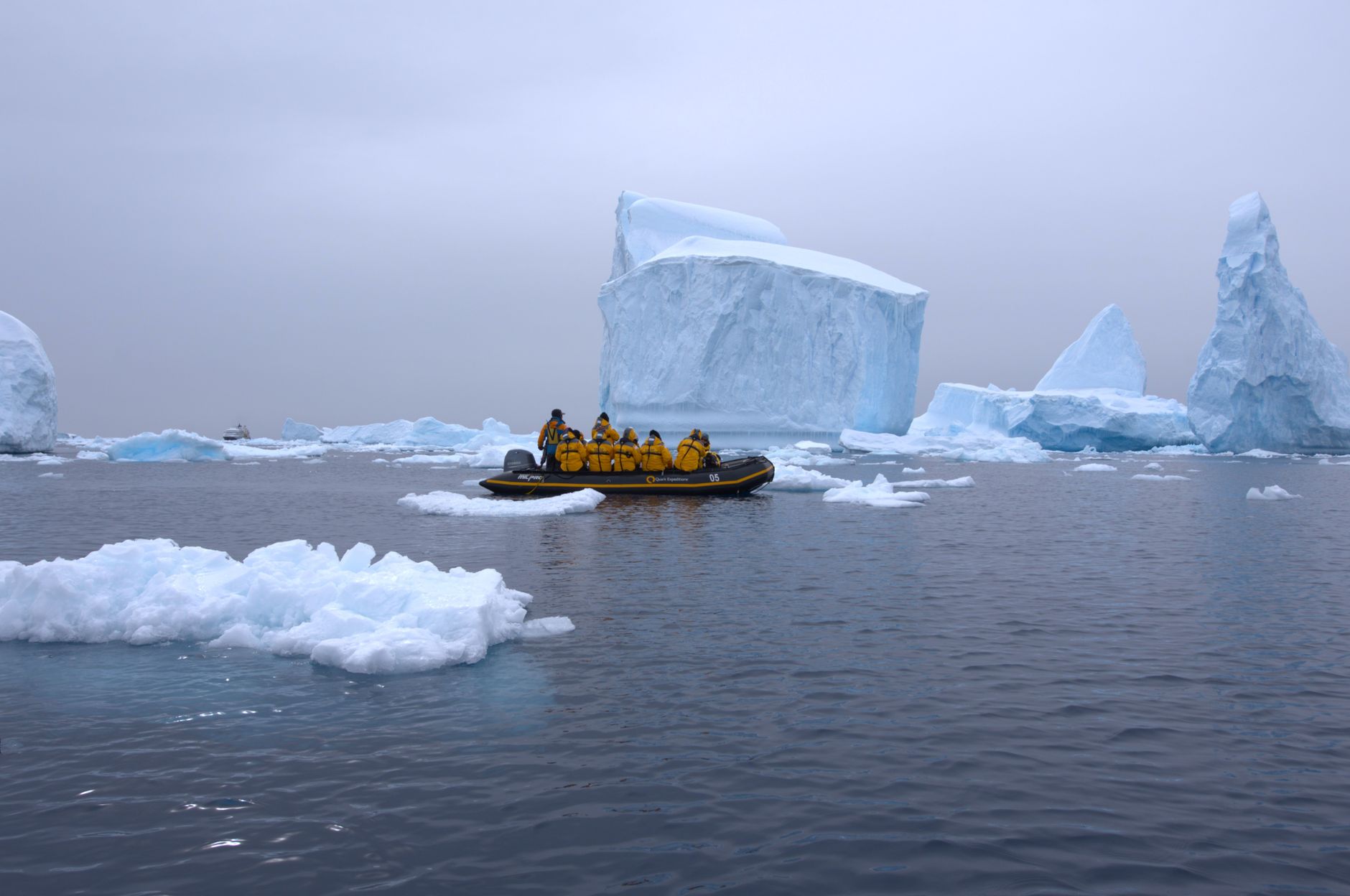
Meanwhile, in a more terrestrial setting, scientists are quietly battling the inexorable melt of Arctic ice. Employing innovative techniques, such as underwater drones, they have managed to thicken the ice's surface. These efforts, although in their infancy, offer a glimmer of hope in the fight against climate change. By making the ice more reflective, these techniques could slow the warming of the polar regions, a crucial step in our global climate defence strategy.
In an entirely different sphere, historians and archaeologists in the United States have uncovered one of the oldest graves of a free Black person. This discovery is significant, not just for its age, but for the narrative it reveals about the lives and legacies of free Black individuals during a time when such stories were rarely documented. It serves as a poignant reminder of the rich tapestry of human history, often overshadowed by dominant narratives.
These stories, seemingly disparate, underscore the relentless pursuit of knowledge that defines our era. From the depths of the cosmos to the icy reaches of the Arctic, and into the annals of history, science continues to illuminate the paths we tread, offering insights and solutions that might one day define our future.