Time Unveiled in Mini-Universe, Arctic Ice Strengthened, Historic Grave Discovered
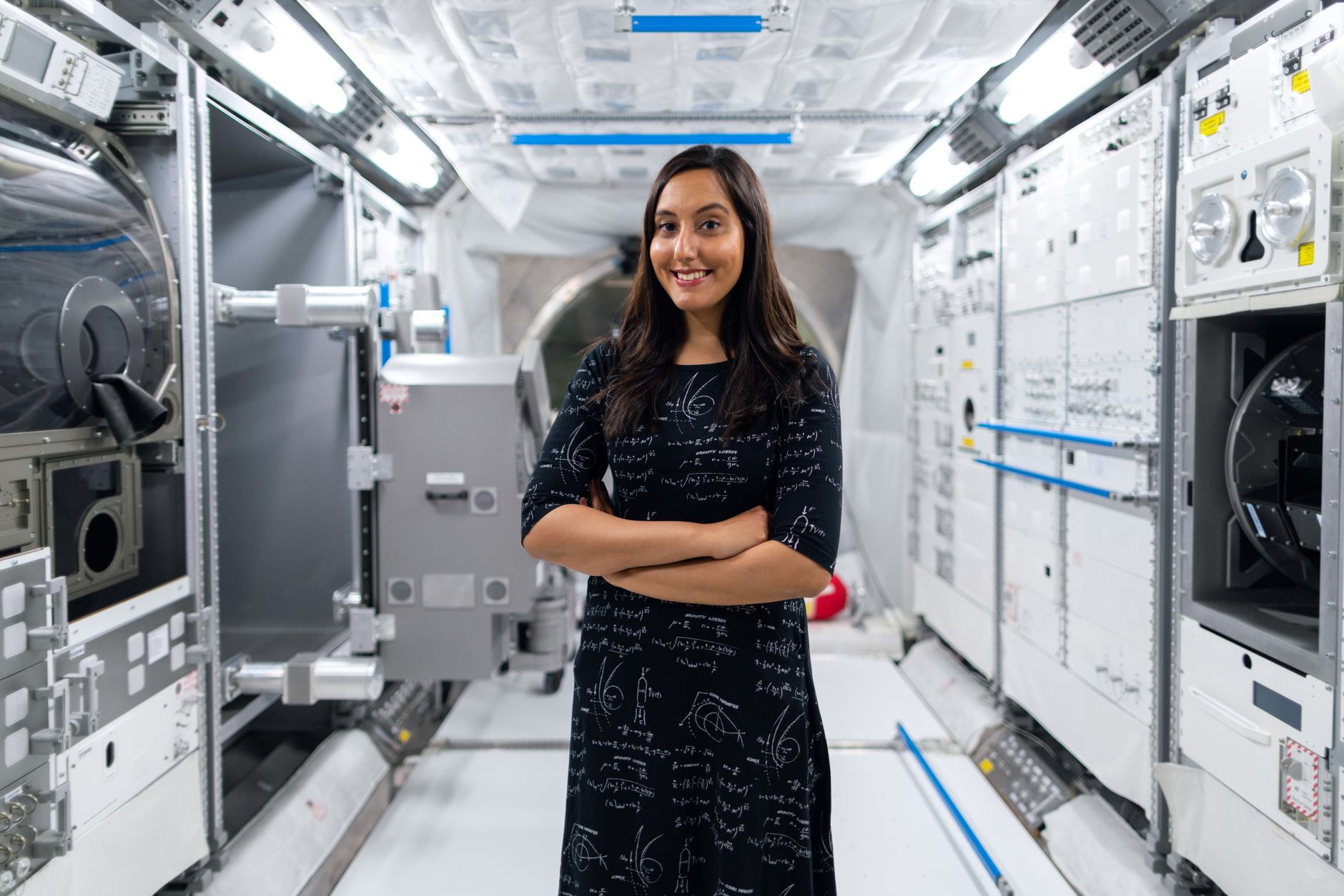
In an audacious attempt to unravel one of the universe's most perplexing mysteries, scientists at the University of Birmingham have created a 'mini-universe' that offers a novel perspective on the nature of time. This bold experiment aims to simulate conditions that might reveal how time emerges, an elusive concept that has long baffled physicists. By manipulating quantum fields within this small-scale universe, researchers hope to glean insights into the fundamental structure of our cosmos.
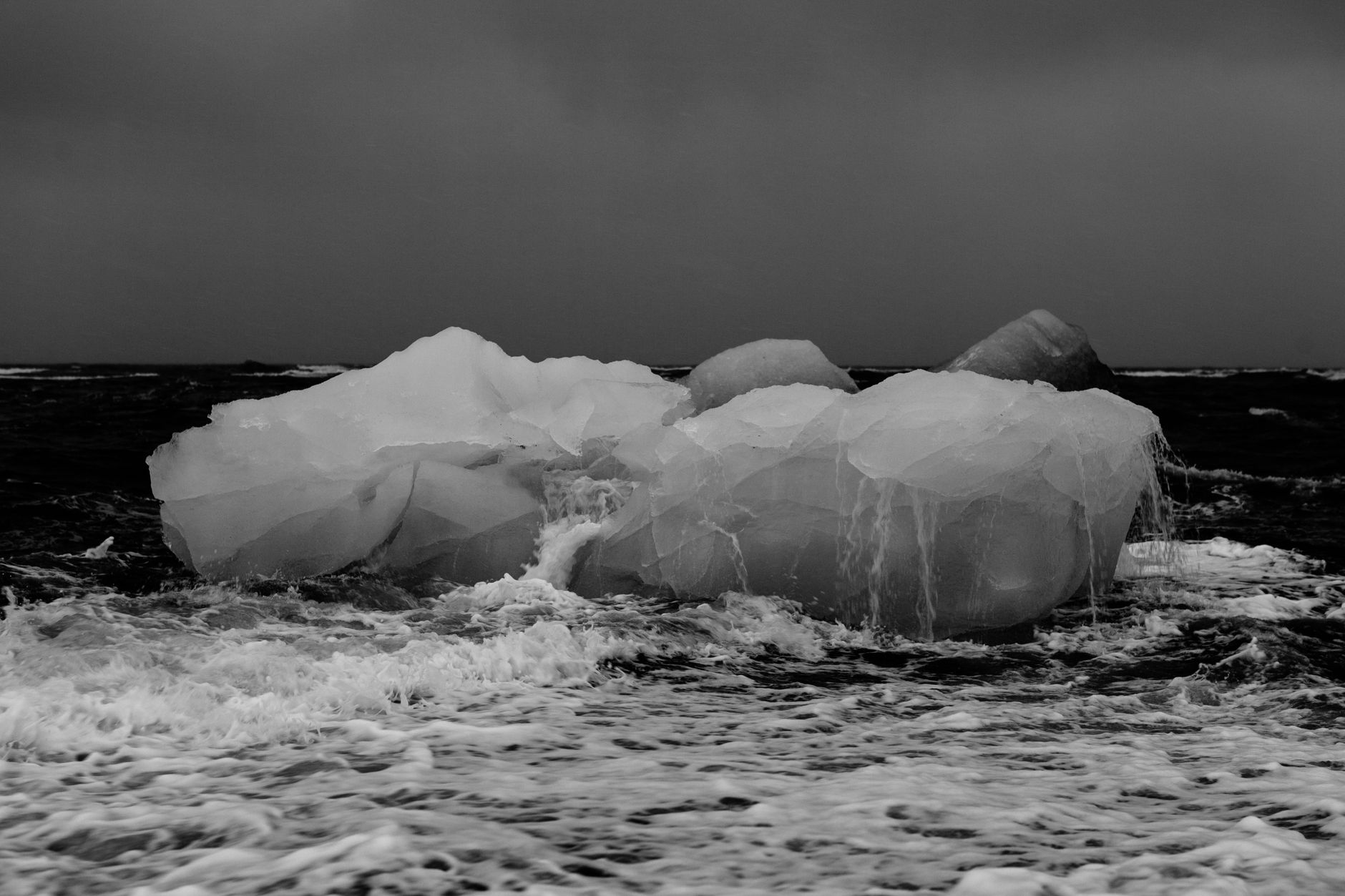
While theoretical physicists delve into the intricacies of time, a different kind of scientific breakthrough is taking place in the Arctic. Researchers, driven by the urgent need to tackle climate change, have successfully thickened Arctic ice through an innovative method. By injecting saltwater under the existing ice, they have managed to increase ice thickness, potentially buying crucial time in the fight against global warming. This technique, still in its experimental phase, could prove vital in preserving Arctic ecosystems.
Meanwhile, in the realm of archaeology, an extraordinary discovery has been made in the United States. One of the oldest known graves of a free Black person has been uncovered, offering a poignant glimpse into the nation's past. The grave, dated to the late 18th century, is a rare testament to the presence and agency of free Black individuals in early American society. This finding not only enriches our understanding of American history but also highlights the enduring legacy of those who lived beyond the confines of slavery.
These stories, varied as they are, share a common thread: the relentless pursuit of knowledge and progress. Whether exploring the abstract dimensions of time, engineering solutions to environmental crises, or unearthing forgotten histories, the scientific endeavour remains as vibrant and essential as ever.