Timeless Wisdom: Insights from Einstein, Keynes, and Gandhi
In an age where chaos and complexity often dominate the headlines, the timeless wisdom of historical figures such as Albert Einstein, John Maynard Keynes, and Mahatma Gandhi offers a beacon of clarity and insight. Each, in their own distinct sphere, articulated ideas that continue to shape thinking and inspire action today.
The Scientific Curiosity of Einstein
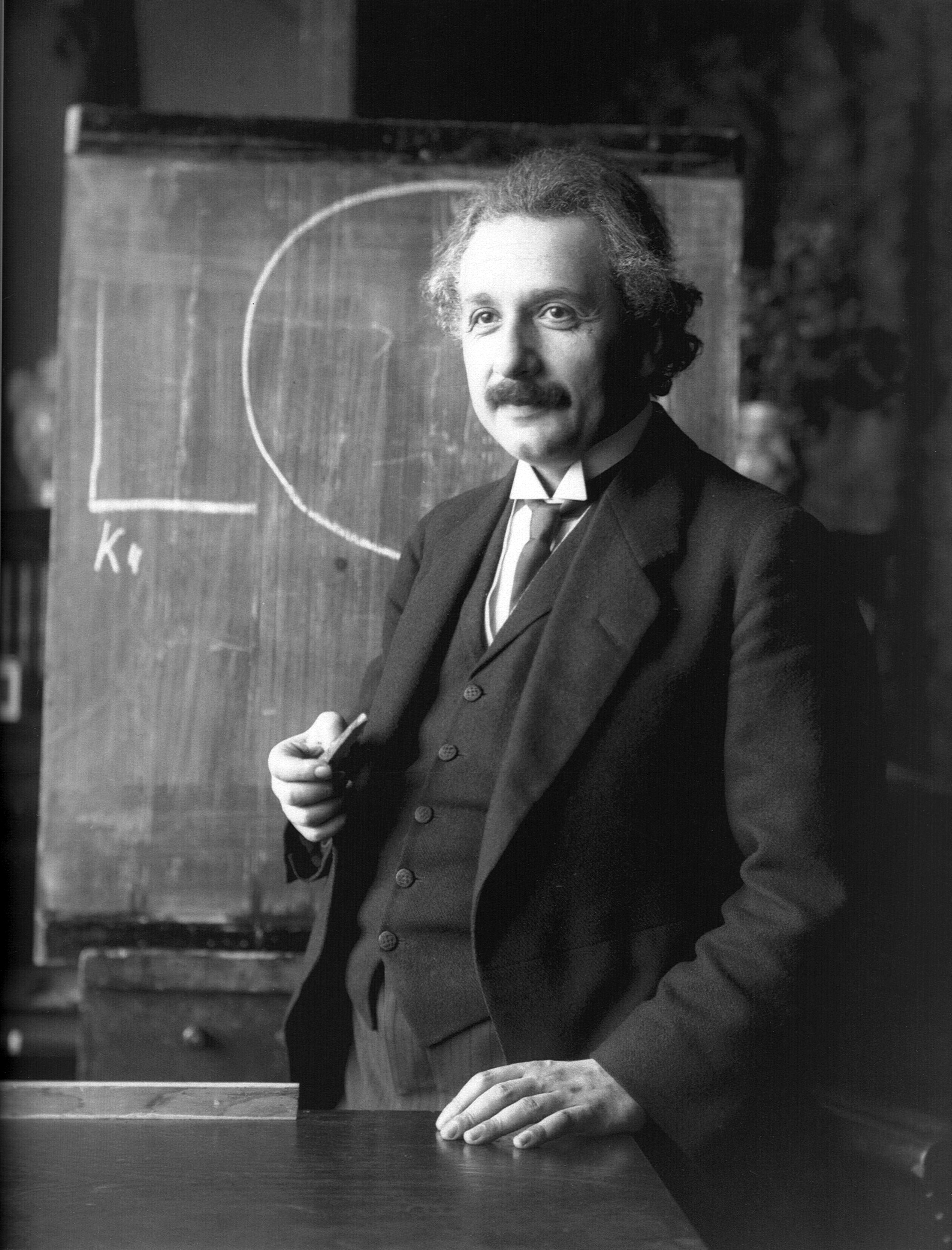
Albert Einstein, the theoretical physicist whose name has become synonymous with genius, championed the power of curiosity and the relentless pursuit of knowledge. 'The important thing is to not stop questioning,' he once declared. His work laid the foundation for modern physics and has driven technological advances that have transformed the world. But beyond equations and theories, Einstein's advocacy for peace and his warnings against the misuse of science echo with particular urgency in our nuclear age.
Economic Vision of Keynes
John Maynard Keynes, often hailed as the father of modern macroeconomics, revolutionised how we understand and manage economies. His ideas, particularly those articulated in 'The General Theory of Employment, Interest, and Money', advocated for active government intervention to mitigate the adverse effects of economic recessions. Keynes's insights have been pivotal in shaping policies that aim to promote social welfare and reduce inequality, offering a blueprint for economic stability and growth.
Gandhi's Path of Non-Violence
Meanwhile, Mahatma Gandhi's enduring legacy is rooted in his unwavering commitment to non-violence and self-reliance. Gandhi’s philosophy of 'Ahimsa'—non-violence—transcended political boundaries and influenced movements for civil rights and social change across the globe. His belief in the power of individual and collective action to drive social justice continues to inspire those striving for peace and equality.
As the world grapples with challenges such as climate change, economic disparity, and geopolitical tensions, the ideas of Einstein, Keynes, and Gandhi offer critical perspectives. They remind us of the importance of scientific inquiry, economic fairness, and peaceful resistance, underscoring the need for ethical leadership and a commitment to the common good.