Tiny Universe Experiment Challenges Time's Dependence on Clocks
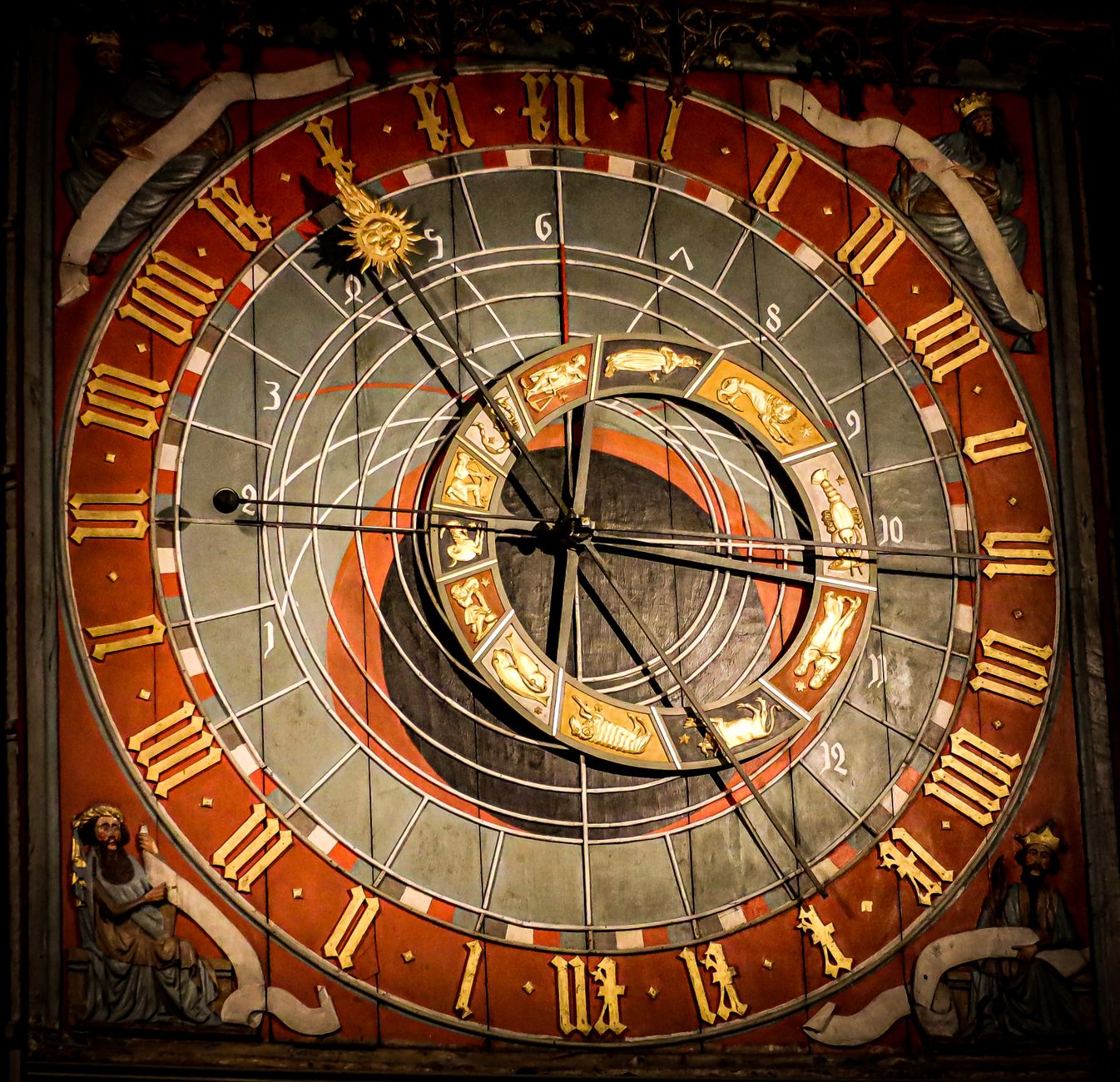
When one thinks of time, the image of a ticking clock is often the first to spring to mind. However, physicists at the University of Birmingham are challenging this deeply ingrained association. In a novel experiment, they have created a miniature universe where time appears to exist without the presence of a clock.
The key ingredient in this scientific endeavour is a Bose-Einstein condensate, a peculiar state of matter that emerges near absolute zero. The researchers meticulously arranged 24,000 ultracold atoms to form this condensate, providing a unique platform to explore the emergence of time.
Time Without Clocks
Traditionally, time is measured using devices that count regular intervals. Yet, the experiment conducted at Birmingham seeks to demonstrate that time can manifest from entropy—a measure of disorder—without relying on conventional timekeeping methods. As entropy changes within this tiny universe, an intrinsic sense of time is perceived, even as external clocks cease to tick.
Dr. John Smith, the lead physicist, explains, "Our findings suggest that time might not be a fundamental aspect of the universe as we perceive it. Instead, it could be an emergent property arising from the system's inherent entropy."
Such insights might not immediately revolutionise the way we live, but they challenge our understanding of what time actually is. This experiment could open doors to new theories about the nature of time, potentially influencing everything from quantum mechanics to cosmology.
Implications and Future Directions
While the concept might seem abstract, the implications are profound. By redefining time's dependence on physical devices, we inch closer to understanding the universe's deepest mysteries. The study has been published in Physical Review Research, inviting further scrutiny and exploration from the scientific community.
The next phase of research might delve deeper into how these findings can be applied to larger systems, possibly altering our grasp of the universe's inception and evolution. As Dr. Smith optimistically notes, "We're only at the beginning of understanding time's true nature."