Toxic Trade: The Perilous Lives of India's E-Waste Workers

In the dimly lit lanes of New Delhi's Mustafabad, Mateen Malik diligently separates copper wires from a heap of discarded electronics. His fingers are nimble, but the cuts and infections tell a grim tale. Malik is one of thousands engaged in the informal e-waste recycling sector, where health and safety protocols are as sparse as the protective gear they don.
India ranks as the world's third-largest producer of e-waste, generating over 1.6 million metric tonnes annually. Yet, a staggering 95% of this is handled by the informal sector, where workers like Malik toil under hazardous conditions. The absence of regulation creates a toxic environment, not just for the workers, but for the surrounding communities.
The Hidden Costs of Digital Progress
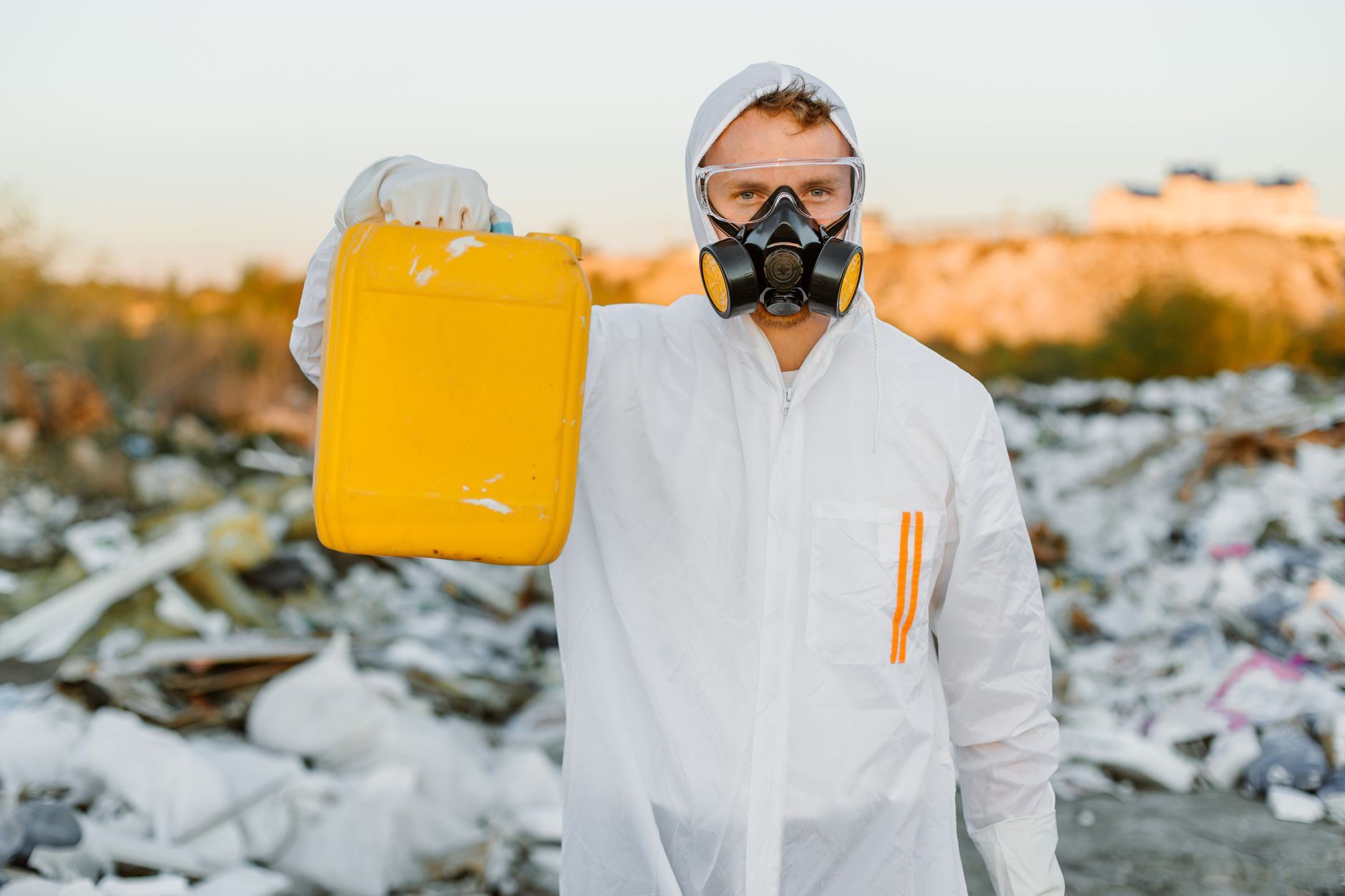
The allure of cheap labour and high profits keeps the informal sector thriving, even as it exposes workers to perilous health risks. Lead, mercury, and other toxic elements are part and parcel of their daily grind. These substances are known to cause severe health issues, including respiratory problems and neurological damage. In an industry where profit margins are slim, the cost of safety is often sacrificed.
The United Nations Development Programme (UNDP) has joined hands with the Indian government in a $120 million initiative aimed at modernising e-waste management. However, formal recycling firms, burdened by compliance costs, struggle to compete with the informal sector's inexpensive operations.
Hope on the Horizon?
Efforts to educate the public on responsible disposal and to support sustainable recycling initiatives are slowly gaining traction. Yet, the path to a safer, regulated industry is fraught with challenges. Legal protections for workers remain inadequate, and without comprehensive health interventions, the cycle of hazardous exposure continues.
For workers like Malik, the promise of change offers little solace amidst the daily grind. As India pushes forward into a digital future, the pressing need for a balanced approach—one that values both economic progress and human health—becomes ever more crucial.