Transforming Cities: Urban Design's Role in Public Health
In an era where urbanisation is advancing at an unprecedented pace, a new study emerges with insights that could shape the future of our cities and their inhabitants. Published in Nature Health, the research, conducted by a coalition of global institutions including MIT Senseable City Lab and Imperial College London, underscores the profound impact urban design can have on public health.
The study meticulously dissects how urban motifs—ranging from low-emission zones to the strategic relocation of heavy industry—can influence both mental and physical well-being. Researchers argue for the critical role of open data accessibility in crafting healthier urban environments. Carlo Ratti, one of the lead authors, emphasises, "By integrating demographic, health, and environmental data, we can better plan cities that support healthier lifestyles."
The Heart of the Study
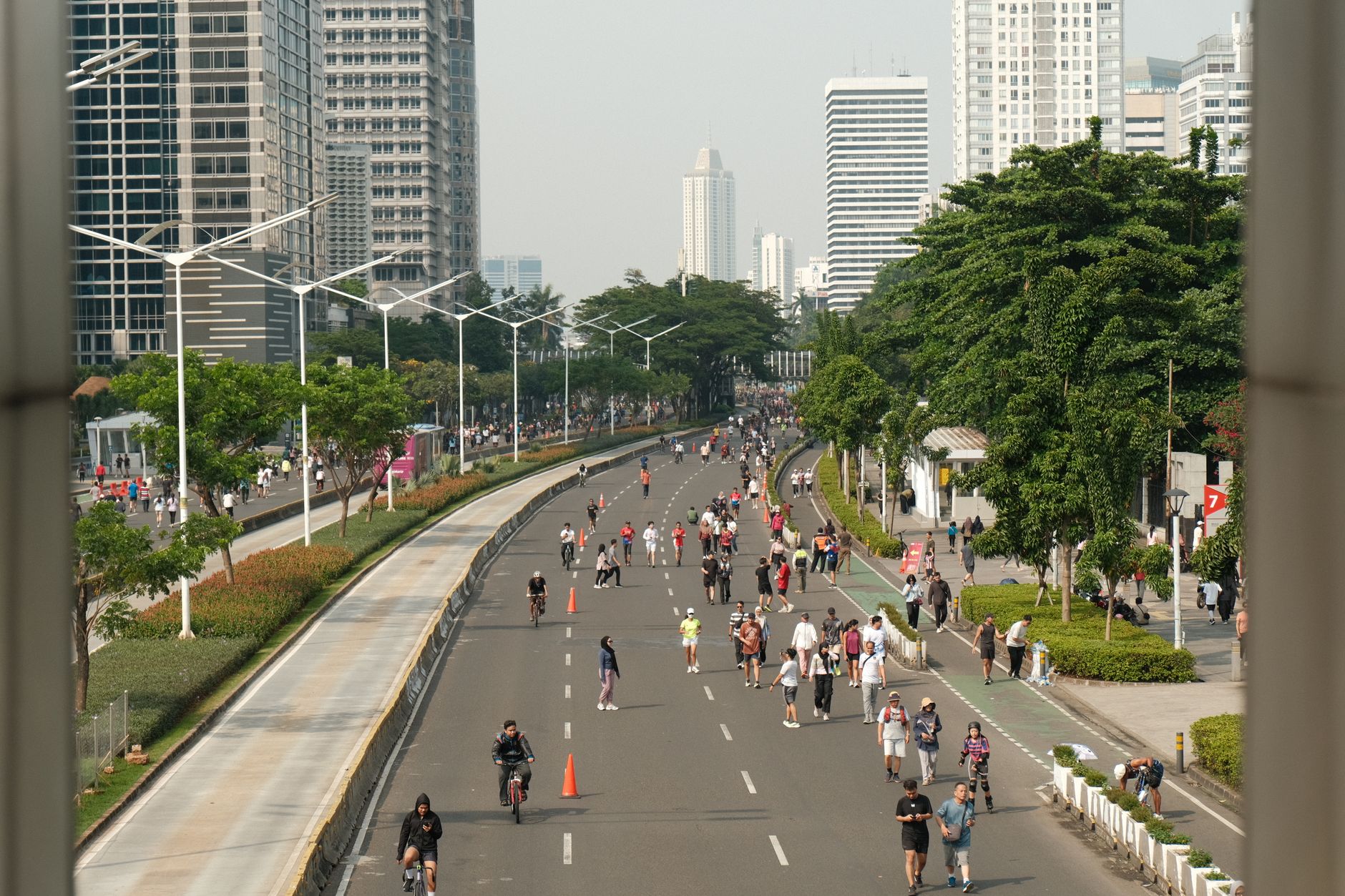
With cities like Shanghai and Mumbai bursting at the seams, the need for thoughtful urban planning has never been more urgent. The research highlights how cities designed with ample green spaces and active transport routes can mitigate issues like air pollution and sedentary lifestyles, which are linked to chronic health conditions.
Moreover, the study advocates for policies that encourage physical activity and reduce car dependency, thereby lessening the urban heat island effect and improving air quality. As urban planners grapple with these challenges, the study provides a crucial evidentiary basis for policy decisions that prioritise public health.
A Vision for the Future
While the study primarily focuses on existing urban areas, its implications extend to emerging cities in developing regions. As these areas grow, they have the opportunity to learn from the missteps of their predecessors. By prioritising health-centric designs from the outset, they can avoid the pitfalls of urban sprawl and pollution.
In conclusion, the research marks a pivotal step towards understanding the symbiotic relationship between urban design and public health. As policymakers ponder future urban projects, the findings serve as a compelling reminder that cities are not just habitats—they are ecosystems where human health and urban design coexist.