Trapped in Fantasy: The Hidden Struggle of Maladaptive Daydreaming
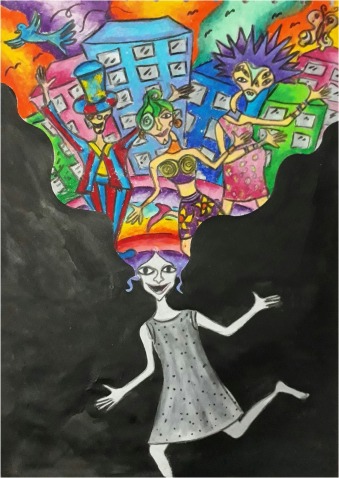
In a world where imagination is often celebrated, there is a darker side to daydreaming that remains largely unspoken. While many of us might indulge in a fleeting fantasy during a tedious meeting or a long commute, for some, daydreaming spirals into a relentless cycle of vivid narratives that overshadow reality.
This phenomenon, known as Maladaptive Daydreaming (MD), has been increasingly recognised as a condition where individuals become ensnared in elaborate fantasies. These aren't mere flights of fancy but complex worlds with recurring characters, intricate plots, and a gripping sense of escapism.
The Invisible Struggle
For those battling with MD, the line between their dream world and the real world becomes dangerously blurred. Hours can slip by unnoticed as they become absorbed in these parallel lives, often at the expense of their social, vocational, and academic responsibilities.
Dr Eli Somer, a clinical psychologist who coined the term, notes that these daydreams can be as vivid as any novel, yet the repercussions are far from fictional. "It’s not just about losing time," he explains. "It's about losing life opportunities, relationships, and sometimes, one's sense of self."
Recognising the Signs
Identifying when daydreaming becomes maladaptive is crucial. Key indicators include an overwhelming urge to daydream, distress when unable to do so, and a noticeable decline in real-world interactions and responsibilities.
While not officially classified as a mental disorder, the impact of MD can be profound. Sufferers often describe a sense of isolation, as their rich inner worlds become a refuge from an outside world they struggle to engage with. Yet, breaking free from this cycle is not easy. It requires a concerted effort to ground oneself in reality, often with professional help.
As society continues to grapple with the complexities of mental health, understanding and acknowledging conditions like MD becomes ever more important. It reminds us that while the mind's capacity for imagination is boundless, it must not come at the cost of our real-world existence.