Trump's AI Imagery Sparks Debate Amidst Iran Tensions
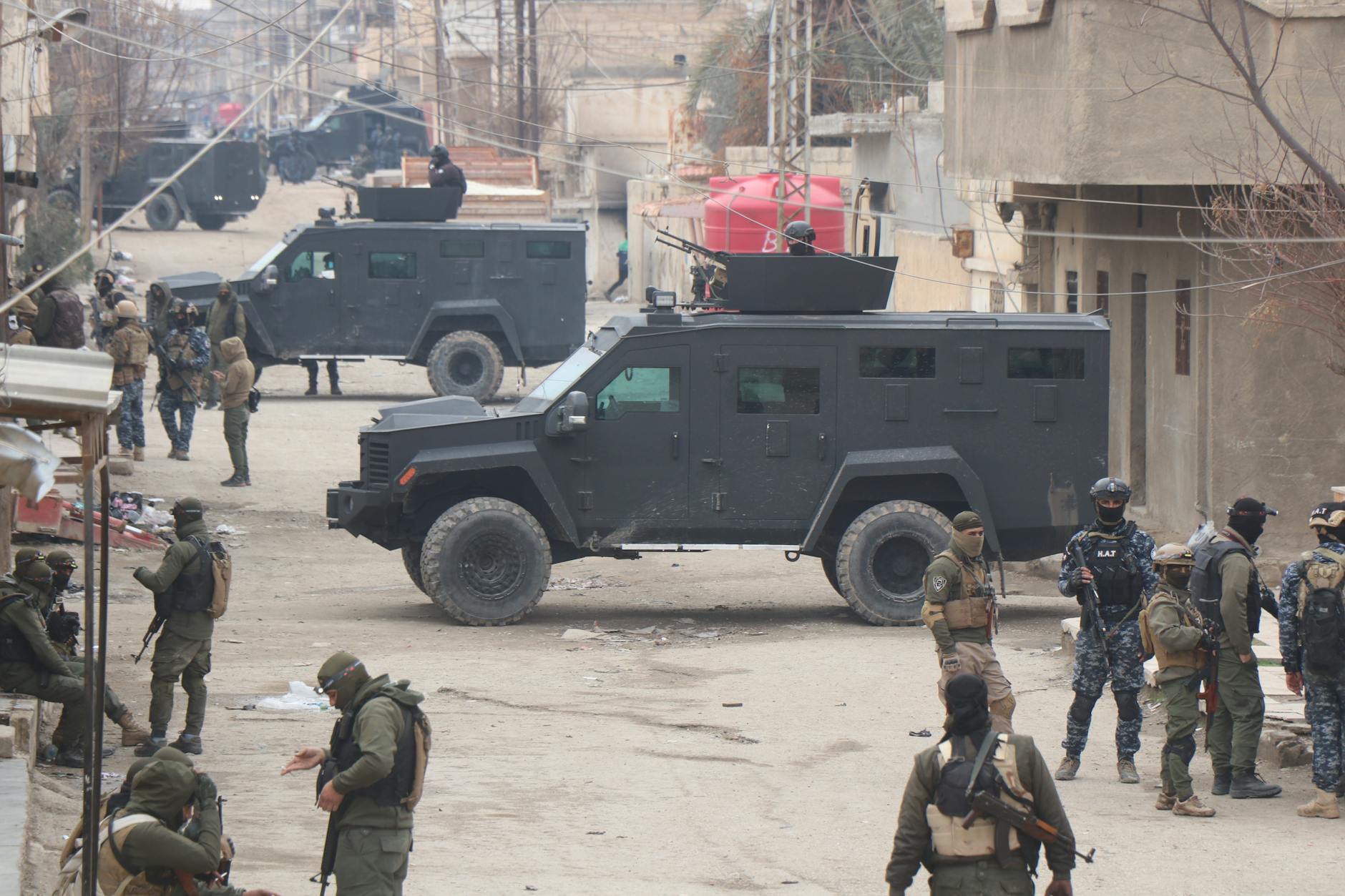
In the ever-pulsating theatre of international politics, Donald Trump has added yet another act to his repertoire. This time, it's not words or actions, but images — AI-generated ones at that. The former US President took to his social media platform, Truth Social, to post a series of dramatic, albeit fictional, depictions of American military might targeting Iranian assets. The imagery, captioned with the onomatopoeic 'Lasers: Bing, Bing, GONE!', has not only captured public attention but also sparked a significant international debate.
These images, while fictional, come at a precarious time. The Middle East, and particularly the Strait of Hormuz, is a region perpetually on edge. The narrow waterway remains a vital artery for global oil shipments, and any hint of conflict there sends ripples through international markets. Trump's digital salvo might be a far cry from actual military engagement, but its timing is far from inconsequential.
Strategic Timing or Reckless Provocation?
The timing of Trump's posts is curious. Just days ago, reports of fragile ceasefires and heightened tensions had dominated headlines. As such, the introduction of AI-generated warfare scenarios could be perceived as either a strategic move to pressure Iran into negotiations or a reckless provocation that risks further destabilising the region.
Critics, including US Representative Ted Lieu, have been swift to condemn the posts. Lieu has called out Trump for what he describes as irresponsible behaviour, suggesting that such imagery might not only inflame tensions but also undermine the United States' diplomatic efforts in the region.
The Power and Peril of AI Imagery
Trump's use of AI-generated images is emblematic of a growing trend in which digital tools blur the lines between reality and fiction. The question arises: in a world where images can be manufactured with a few clicks, what is the responsibility of those who wield such tools?
Some argue that Trump's actions highlight the potency of AI as a tool for political messaging. These images, for all their fiction, convey a narrative of strength and decisiveness, appealing directly to his base. Yet, the peril lies in the potential for misinterpretation, with audiences possibly mistaking fiction for fact.
The international community now watches closely, aware that in the realm of geopolitics, even digital shadows can cast long, real-world consequences. As the situation develops, the hope remains that cooler heads will prevail, steering discourse away from digital dramatics and towards tangible diplomacy.