Trump's Intelligence Overhaul Sparks Political Concerns
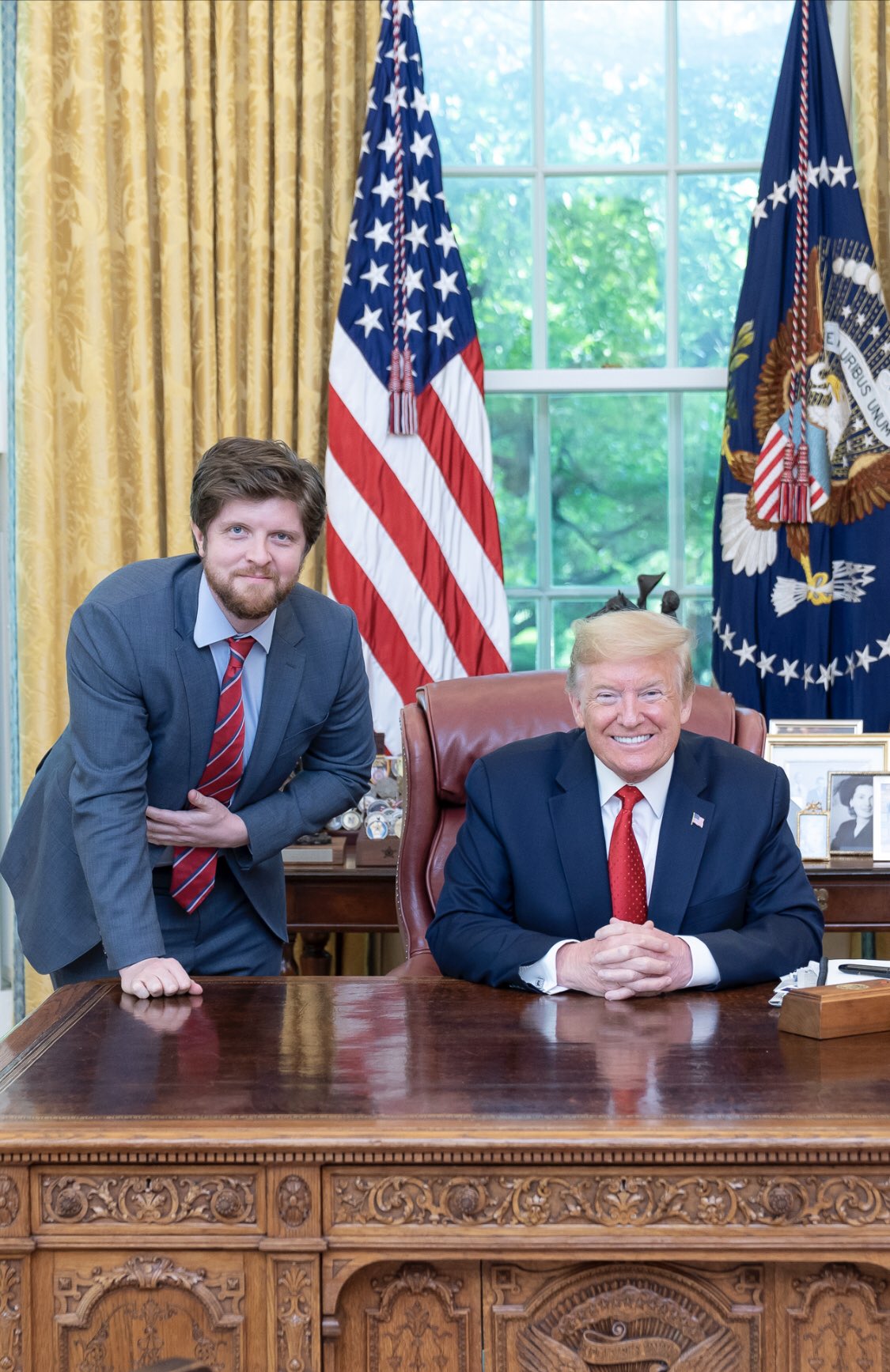
In a move that has ruffled feathers across the political spectrum, President Donald Trump continues to reshape the United States intelligence community, prompting warnings from experts about the potential dangers of politicisation. His recent decisions to replace seasoned intelligence officials with political allies have ignited a heated debate over the implications for national security.
The United States has long prided itself on an intelligence system that is both robust and apolitical. However, under Trump's leadership, this perception is increasingly under threat. The dismissal of senior personnel and the reorganisation of key departments have been executed with little regard for maintaining the non-partisan nature that has historically characterised the intelligence community.
One of the most contentious issues is the president’s reluctance to appoint a permanent Director of National Intelligence (DNI). This vacancy, experts argue, leaves the intelligence apparatus without a steady hand at the helm, potentially compromising the efficacy of intelligence gathering and analysis. Both Republican and Democratic lawmakers have expressed frustration, urging the administration to prioritise stability in this critical area.
Concerns of Politicisation
Critics argue that Trump’s approach mirrors tactics often seen in authoritarian regimes, where intelligence agencies are manipulated to serve political ends. This has led to fears that crucial intelligence might be skewed to align with political narratives, rather than presenting an objective assessment of threats facing the nation.
“The intelligence community is being weaponised in a way that undermines its very foundation,” remarked a former senior intelligence official. “When politics drives intelligence, you end up with intelligence failures.”
Meanwhile, the absence of a permanent DNI has stalled the renewal of essential surveillance programmes, further exacerbating concerns amongst intelligence professionals and lawmakers alike. These programmes are vital for gathering intelligence abroad, and their lapse could leave significant gaps in national security.
The Road Ahead
As Trump continues to forge ahead with his agenda, the future of U.S. intelligence hangs in a delicate balance. The administration’s actions have sparked a critical conversation about the role of intelligence in governance and the importance of keeping it insulated from political influence.
What remains clear is that the stakes are high. The integrity of the United States’ intelligence operations is not just a domestic concern but one that has far-reaching implications for global security. As the debate unfolds, all eyes will be on how these developments affect the nation's ability to respond to threats, both foreign and domestic.