Trump's Political Manoeuvres Spark Concerns Over US Intelligence
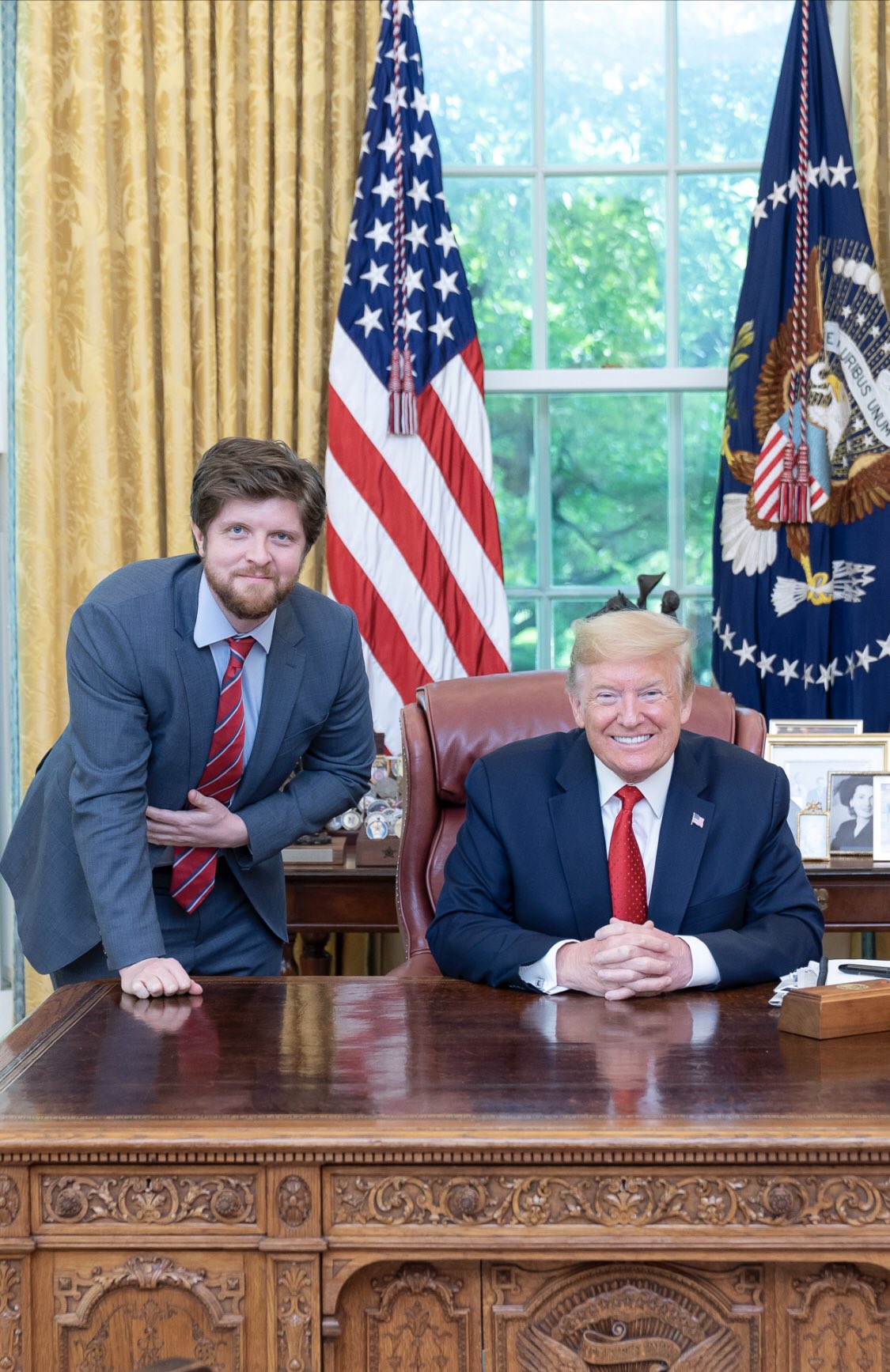
When President Donald Trump walks into the Oval Office, the whispers are never far behind. This time, it's the intelligence community that's the talk of the town. Experts are raising alarms about Trump's recent decisions, which they argue are dangerously politicising the US intelligence apparatus.
Historically, the US intelligence community has prided itself on its non-partisan stance, focusing purely on national security interests. However, Trump's tenure has seen a shift. The removal of senior intelligence personnel, the revocation of clearances, and the appointment of individuals with scant experience have sparked concerns of a system vulnerable to the very failures it seeks to prevent.
Political Appointments and National Security
The appointment of a close political ally, lacking any significant intelligence background, to lead the nation's spy agencies has been a particular point of contention. Critics argue that such moves jeopardise the objectivity and efficacy of intelligence operations. In an environment where accurate intelligence is crucial for national security, this is not merely a bureaucratic reshuffle; it's a potential hazard.
Further, Trump's reluctance to appoint a permanent Director of National Intelligence has left a crucial position in a state of limbo, undermining the stability and continuity required for effective intelligence gathering and analysis.
Implications for Global Security
The implications of these actions extend beyond American borders. In today's interconnected world, intelligence is an international affair. The US, once seen as a leader in intelligence, risks losing credibility with its allies. This could have broader repercussions for global security cooperation, as other nations may question the reliability of shared intelligence.
The current trajectory mirrors some characteristics seen in authoritarian regimes, where intelligence is often manipulated for political gain, leading to strategic blind spots and failures.
While the White House maintains that these changes are part of a broader strategy to streamline and strengthen operations, the lack of a clear, transparent rationale only fuels speculation and concern.
The coming months will be critical in determining how these changes will play out. As Trump continues to exert his influence over the intelligence community, the world watches closely, aware that the stakes could not be higher.