Understanding Distress: Adivasi Youth Speak Beyond Labels
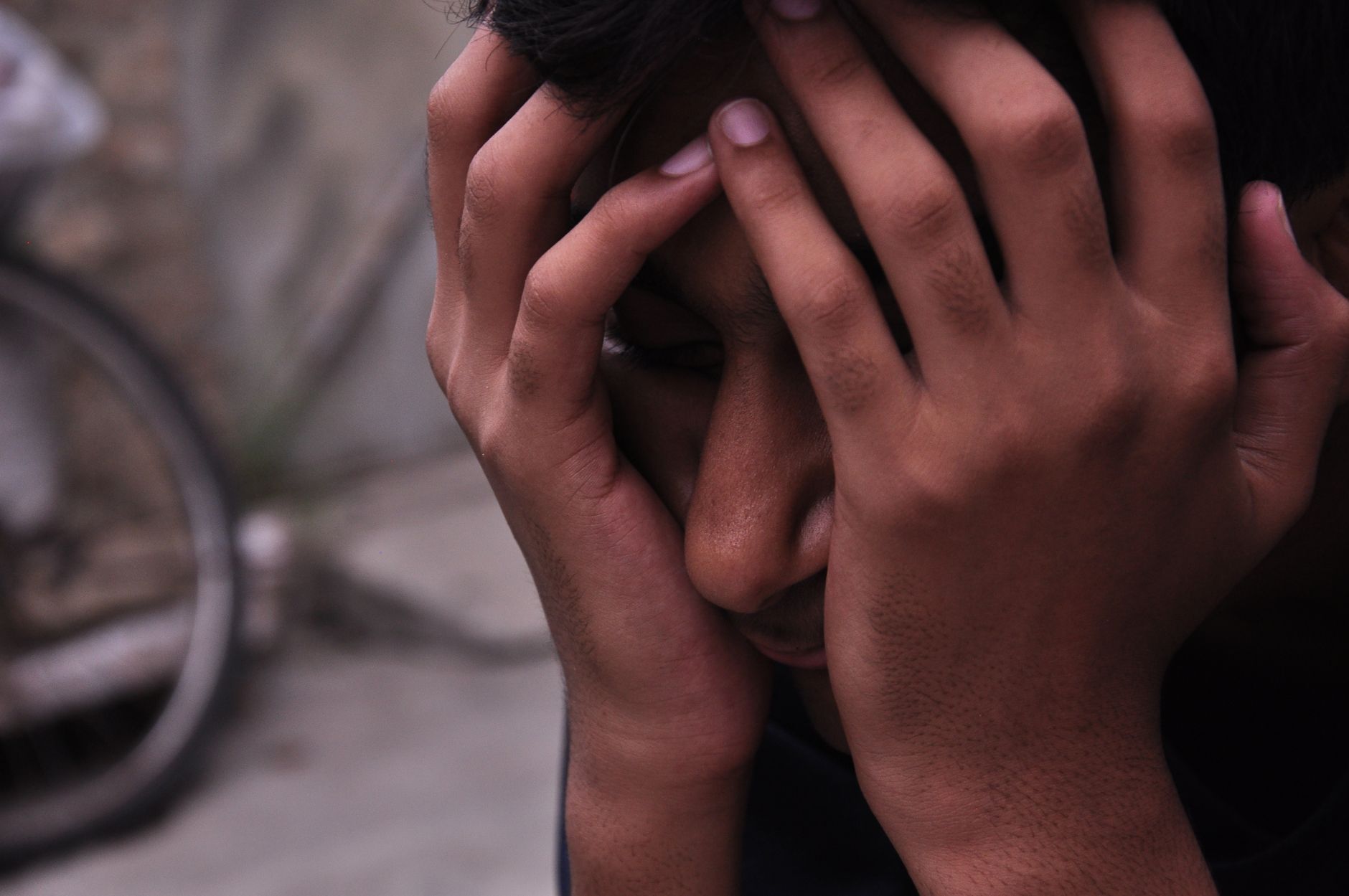
In the remote villages of India, where the forest whispers secrets to those who listen, Adivasi adolescents are speaking out about their mental health struggles. Yet, they describe their distress in ways that defy the usual classifications of depression and anxiety.
These young individuals, belonging to indigenous communities often cut off from mainstream narratives, use vivid metaphors and cultural references to articulate feelings that society might neatly label. It's not simply anxiety or depression; it's a profound sense of imbalance, a 'loss of soul', or even a 'disconnection from nature'.
Understanding Unique Perspectives
Adivasi youths often face a unique set of challenges. The pressures of modernity clash with traditional ways of life, creating a tension that can manifest as psychological distress. They might speak of 'losing their roots' or 'losing their shadows', metaphors that reflect a deep dissonance between their cultural identity and the world around them.
For mental health professionals, understanding these narratives is crucial. Standardised Western approaches to mental health often miss the mark, failing to resonate with the cultural realities of these communities. As a result, interventions that don't consider these perspectives risk being ineffective or even harmful.
The Need for Tailored Interventions
Recognising the unique ways in which Adivasi adolescents express their distress is not just an academic exercise. It has practical implications for designing interventions that are culturally sensitive and truly supportive. By embracing these narratives, healthcare providers can develop programmes that are more attuned to the needs of these communities.
Moreover, involving Adivasi youth in the conversation about mental health can empower them, giving them a sense of agency and ownership over their mental health journeys. It’s a shift from seeing them as mere recipients of care to active participants in their healing processes.
In a world increasingly dominated by standardised solutions, the voices of Adivasi youth remind us of the importance of cultural context in mental health. They challenge us to listen, to understand, and to respond with compassion and care that honours their unique experiences.