Understanding the World Health Assembly's Global Impact
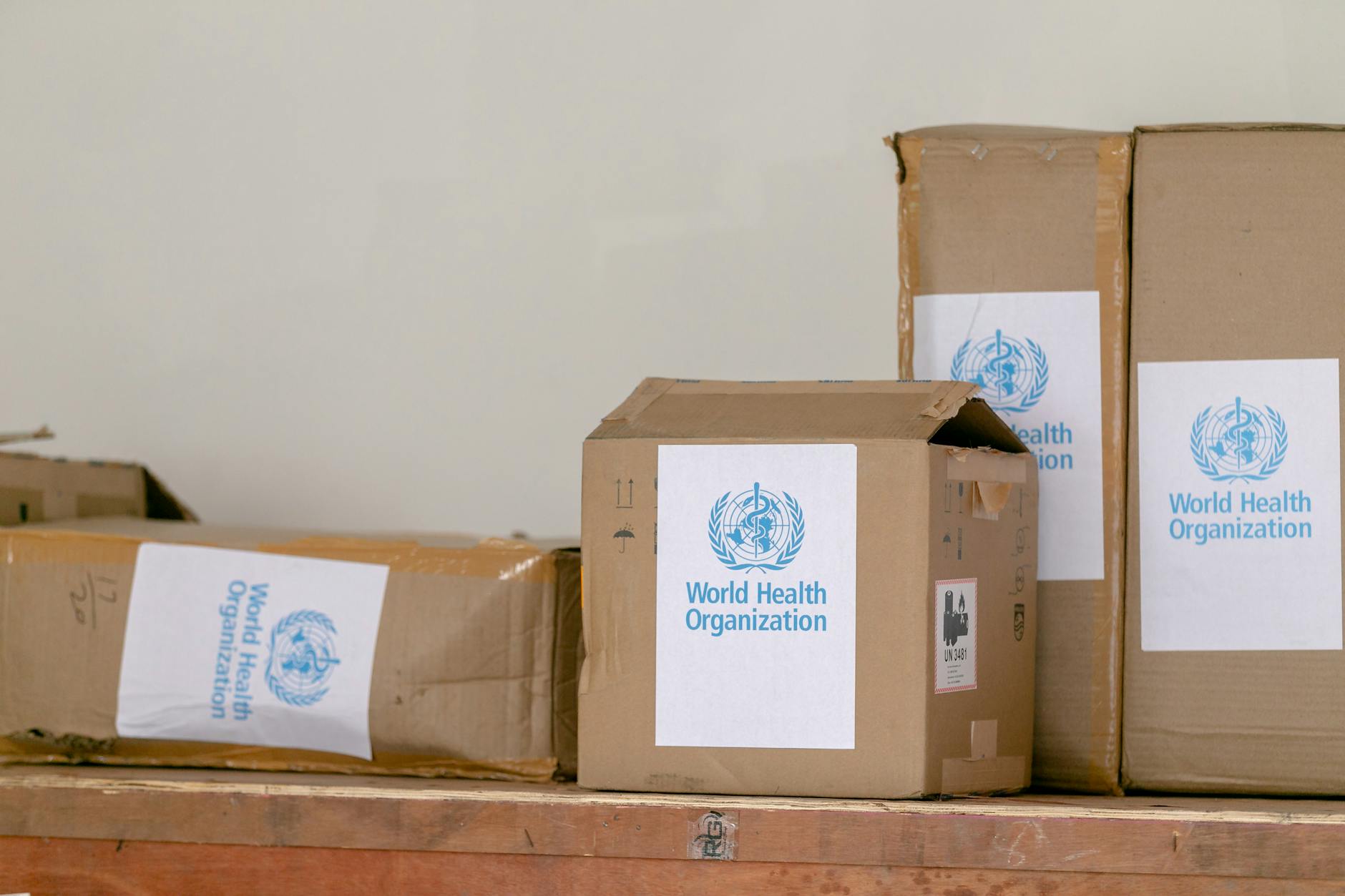
The World Health Assembly, an annual congregation of health ministers from 193 member states, is much more than a mere symposium. It is the crucible in which the future of global health policy is forged. As the principal decision-making body of the World Health Organization (WHO), the WHA is where the world's most pressing health issues are debated and addressed.
This year, under the theme 'One World for Health', the Assembly's 78th session is set to tackle a myriad of challenges that transcend national borders. From pandemics and vaccine equity to mental health and non-communicable diseases, the agenda is as complex as it is crucial.
Why does the WHA matter? In a world where health crises can emerge with little warning, the WHA acts as both a sentinel and a strategist. It reviews the global health landscape, assesses the efficacy of past initiatives, and sets priorities for future action. It is a forum where successes, like the eradication of smallpox, are celebrated and failures, such as the uneven response to COVID-19, are scrutinised.
The Assembly also serves as a stage for diplomatic engagement. Health ministers and officials have the opportunity to build alliances, negotiate policies, and share knowledge. This collaboration is vital because health issues are inherently global; viruses do not respect borders, and neither should our responses.
Critically, the WHA's decisions impact the WHO's operations, directing how it allocates resources and implements programmes. This makes the Assembly's resolutions significant not just in theory but in the practical realm of policy execution.
As the world grapples with emerging health threats and an ageing population, the WHA remains a beacon of multilateral cooperation. In addressing these challenges, it is not merely shaping policy but also safeguarding the future of public health.