UNFPA and Iraq's Health Ministry Unite for Family Planning Drive
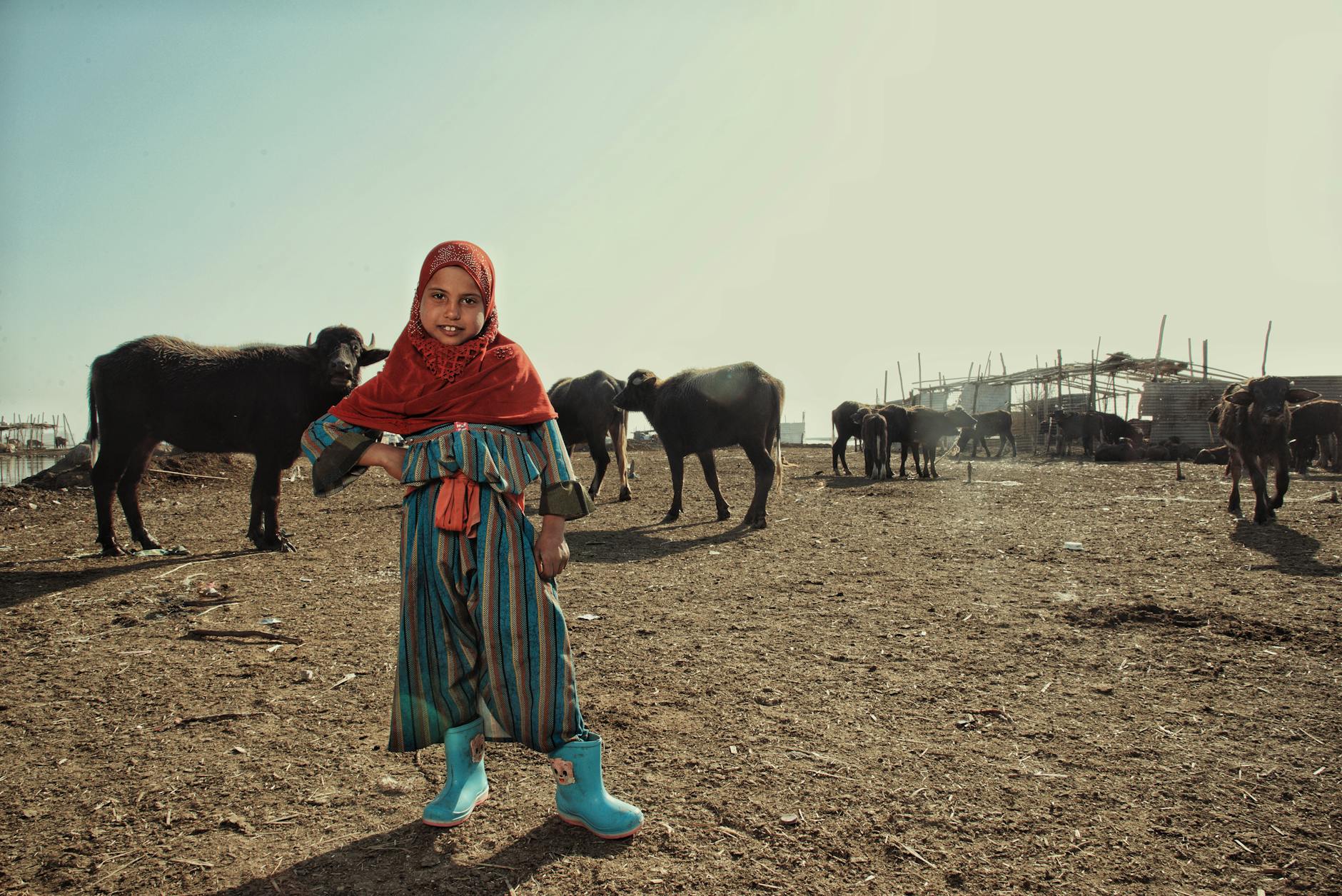
In the bustling heart of Baghdad, an ambitious campaign has been set in motion. The United Nations Population Fund (UNFPA), in collaboration with Iraq's Ministry of Health, has launched a national family planning awareness initiative, signalling a significant step towards enhancing reproductive health services in the country.
The campaign comes as part of a broader, multi-year programme funded by the United Kingdom, which has pledged a substantial investment of $19 million. This financial support is not merely an injection of funds but a statement of intent, recognising the intrinsic link between family planning and the broader socio-economic tapestry of Iraq.
Health and Economic Stability
Family planning is often touted as a cornerstone of public health, but its implications stretch far beyond the confines of clinics and hospitals. By empowering individuals with the knowledge and means to make informed reproductive choices, family planning contributes to the health of families and communities alike. The economic ripple effects are profound; healthier families tend to be more economically stable, which in turn fosters political stability.
For Iraq, a country navigating the complexities of post-conflict reconstruction, such stability is invaluable. The campaign is not just about distributing contraceptives or organising workshops; it is about building a future where every child is born into a family that is ready and able to nurture them.
Educational and Cultural Dimensions
As part of the campaign, the UNFPA has also initiated training sessions for journalists and influencers. The goal is to ensure that media coverage of reproductive health issues is both ethical and informed. Such efforts are crucial in a society where cultural sensitivities can often hinder open discussions about family planning.
By involving local influencers, the campaign aims to bridge the gap between traditional beliefs and modern health practices. This harmonisation is essential if the programme is to succeed in changing attitudes and behaviours.
In essence, this campaign is more than a health initiative; it is a cultural dialogue. It seeks to encompass the diverse voices of Iraq and forge a consensus on the importance of family planning, not just as a health measure, but as a vital component of a stable and prosperous society.