UNICEF Workshop Shines Light on Childhood NCDs Reporting
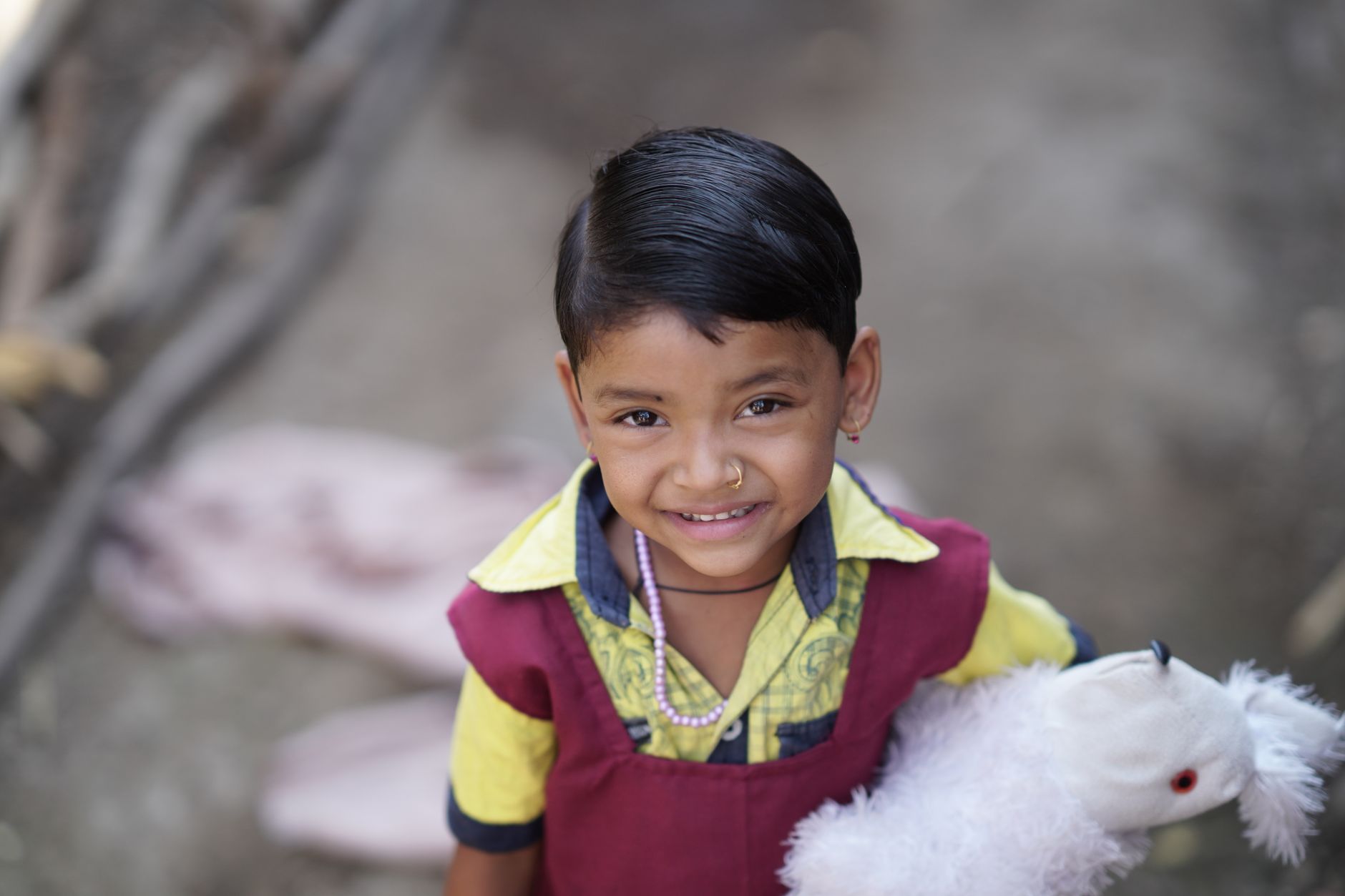
In the balmy confines of Nagpur's AIIMS Centre of Excellence, a gathering of over 30 media professionals recently took place, not for the usual press briefing, but to delve deeper into the often-overlooked arena of childhood non-communicable diseases (NCDs). Organised by UNICEF India in collaboration with the Press Information Bureau (Western Zone) and AIIMS Nagpur, the two-day workshop aimed to enrich the reporting landscape on a subject that is both urgent and underreported.
The workshop provided journalists with a rare opportunity to witness first-hand the intricacies involved in diagnosing, treating, and managing NCDs among children. These ailments, encompassing diabetes, hypertension, and respiratory conditions, are increasingly affecting children aged 5 to 19, posing a grave challenge to public health.
Understanding the Growing Threat
The significance of such an event cannot be overstated. Childhood NCDs, though less talked about than communicable diseases, are emerging as a silent epidemic. This is particularly concerning in a country like India, where the youthful population is vast and varied in its needs.
Dr. Meena Sharma, a paediatric specialist at AIIMS Nagpur, highlighted the need for awareness among parents and educators. "Early detection and lifestyle modifications are key," she noted, emphasising that much can be done to curb the rise of these conditions.
Empowering the Fourth Estate
The workshop's primary aim was to equip journalists with the knowledge and tools necessary to effectively report on these issues. By doing so, organisers hope to foster a well-informed public dialogue that could spur policy changes and community initiatives.
Participants engaged in discussions, interactive sessions, and even visited clinical settings to see the practical applications of theoretical knowledge. "It's a wake-up call," said one journalist, reflecting on the insights gained. "We need to bring these stories to the forefront of public consciousness."
As the workshop concluded, there was a palpable sense of mission among the attendees. The task ahead is formidable, but with informed and dedicated reporting, there is hope that childhood NCDs will receive the attention they desperately require.