Unlocking the Brain: Advancements in Generalist Neuroimaging
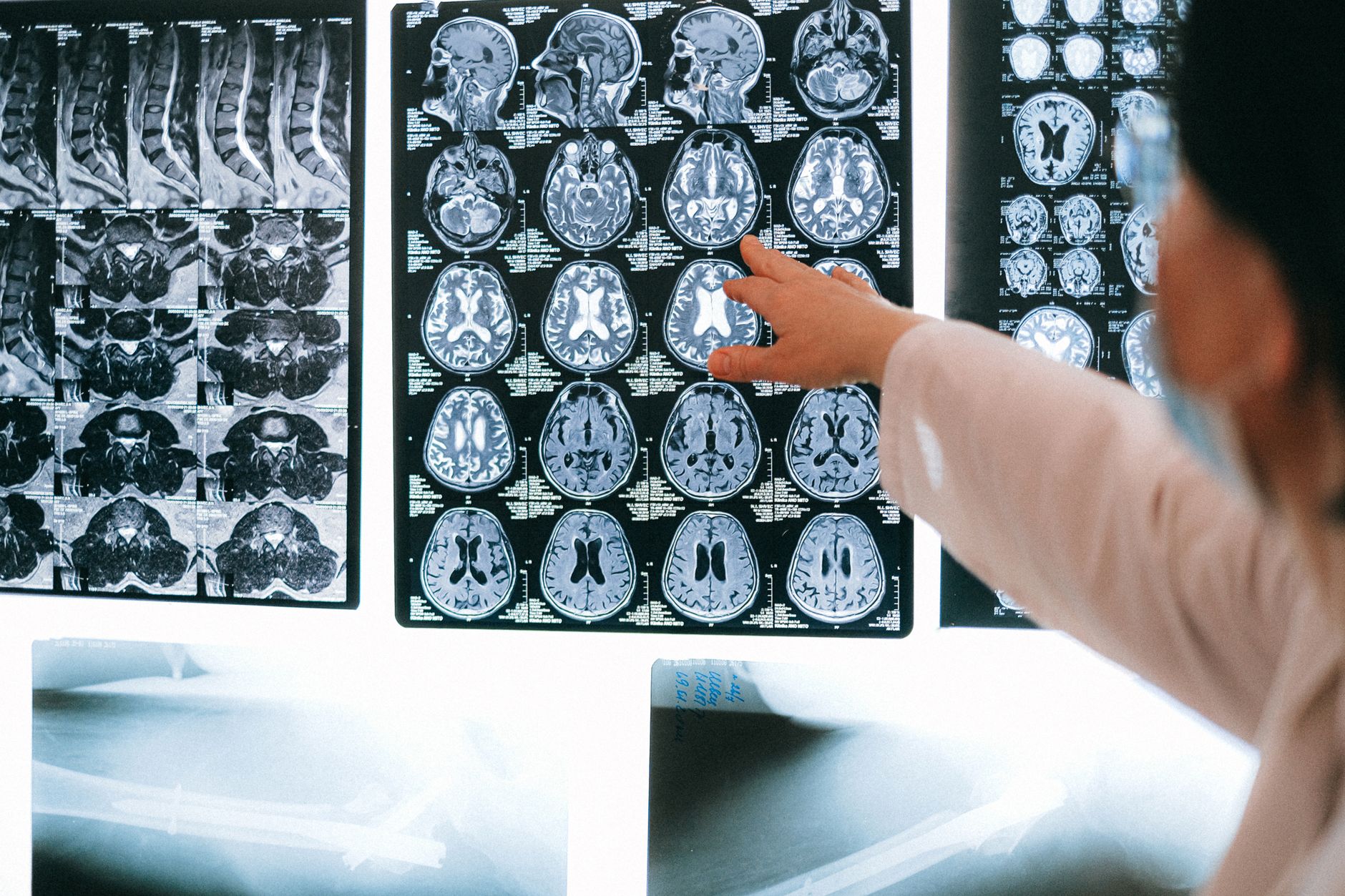
Picture a world where diagnosing neurological disorders is as routine as checking blood pressure. This vision is inching closer to reality, thanks to a burgeoning field known as health system learning. At the heart of this development is the creation of generalist neuroimaging models, a feat achieved by harnessing the power of uncurated and extensive datasets.
The UM-NeuroImages dataset, a monumental collection of 5.24 million MRI and CT volumes from Michigan Medicine, forms the cornerstone of this innovation. Unlike traditional approaches that rely on meticulously curated data, health system learning embraces the raw, real-world data generated by clinical operations. This shift allows for the development of more adaptable and robust models.
Revolution in Neuroimaging
Central to this revolution is NeuroVFM, a visual foundation model designed for neuroimaging. It exemplifies how unfiltered data can be leveraged to create models that not only excel in accuracy but also offer a comprehensive understanding of neurological conditions. Such advancements hold the promise of refining diagnostic processes, potentially leading to earlier and more precise interventions.
The implications are profound. Generalist neuroimaging models could democratise access to high-quality diagnostic tools, making them available not just in specialised centres but in general healthcare settings. This could significantly enhance patient outcomes, especially in regions with limited access to advanced medical facilities.
Challenges and Opportunities
However, this path is not without its challenges. The sheer volume and complexity of uncurated data require sophisticated computational frameworks and algorithms, such as FlashAttention-2, to process effectively. Moreover, integrating these models into existing healthcare systems demands careful planning and collaboration among stakeholders.
In conclusion, while there are hurdles to overcome, the potential benefits of generalist neuroimaging models are too significant to ignore. By transforming how neurological conditions are diagnosed and managed, they hold the promise of a brighter, healthier future for countless individuals.