Unveiling the Secret of the Tiny Mouse Thriving on a Volcanic Summit
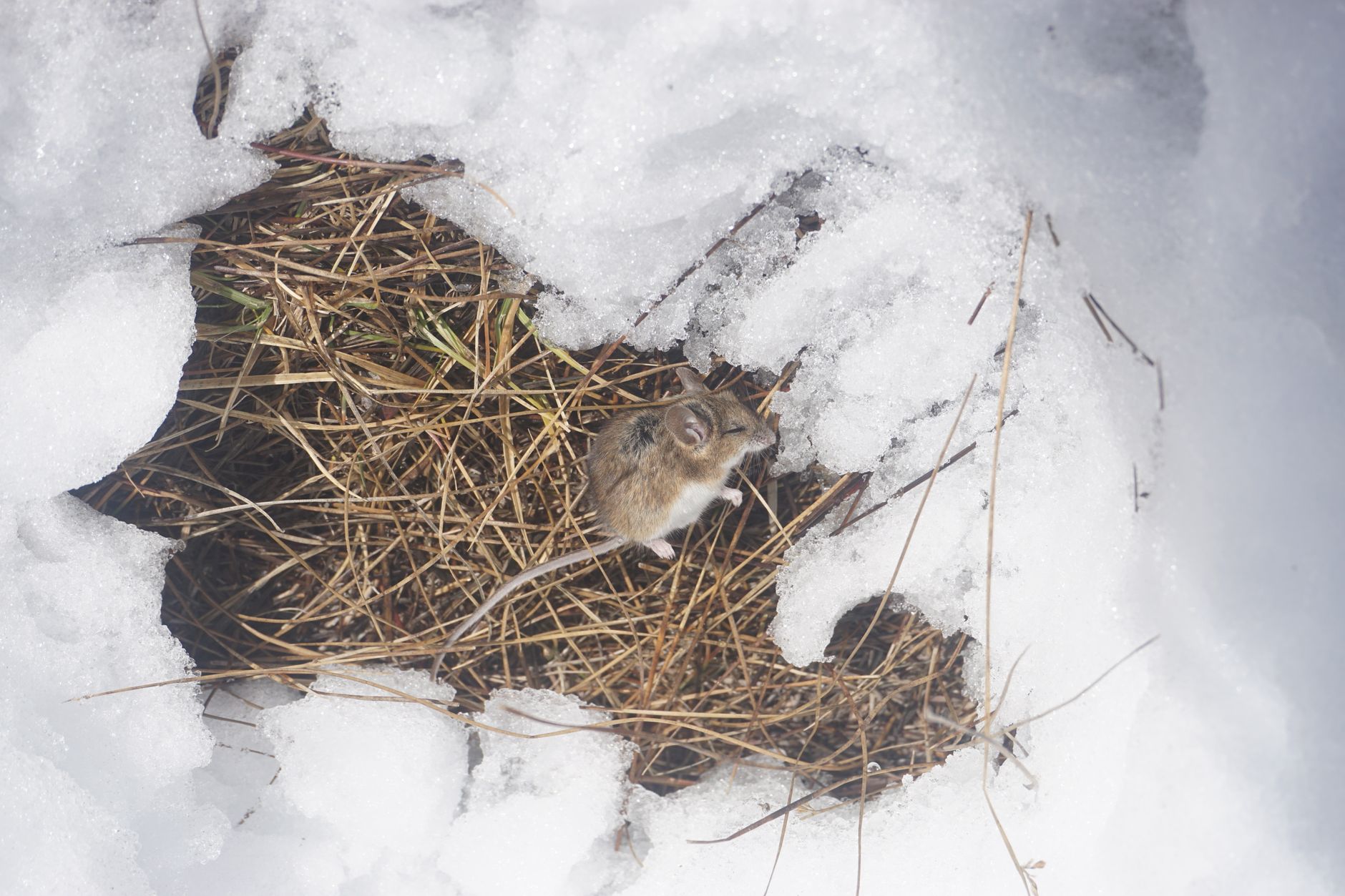
Perched at an altitude where even the hardiest of creatures struggle to survive, a diminutive mouse has become an unlikely symbol of resilience. At 7,000 metres on a Chilean volcano, this tiny mammal defies all odds, thriving in conditions that would leave most mammals gasping for breath. The discovery has left scientists both puzzled and intrigued.
This mouse, identified as part of a species known for its high-altitude adaptability, has been spotted scuttling across the inhospitable volcanic terrain. Its existence at such an altitude challenges previous assumptions about the limitations of mammalian life. The researchers involved suggest that this discovery could significantly alter our understanding of how mammals adapt to extreme environments.
Adapting Against All Odds
At such daunting heights, oxygen levels are perilously low, temperatures can plummet, and food is scarce. Yet, this intrepid mouse manages not only to survive but to thrive. It raises questions about the physiological traits that enable such survival, and whether these could be found in or adapted by other species.
Biologists are now keenly studying the mouse's respiratory and metabolic systems, hoping to uncover the genetic and physiological adaptations that allow it to endure conditions akin to those found at the top of Mount Everest. This research could have broader implications, potentially informing conservation strategies for species threatened by climate change and expanding our understanding of life on Earth.
Implications for Science and Beyond
While the mouse's existence at such altitudes is remarkable in itself, the implications of this discovery are even broader. It suggests that life can persist in conditions far harsher than previously imagined. This could reshape our approach to studying life in extreme climates, both on Earth and beyond, as scientists continue to explore the possibilities of life on other planets.
The discovery of this mouse serves as a reminder of nature's incredible adaptability. As scientists delve deeper into the mechanisms that allow life to flourish under such extreme conditions, we may find that the boundaries of life are far more flexible than we have ever thought.