Urban Living Patterns: A New Lens on Public Health
In the bustling heart of cities, where skyscrapers brush the clouds and streets hum with life, lies a less visible yet crucial narrative — the impact of urban living on public health. Published today in Nature Health, a study titled "Urban Motifs Associated with Population Health" sheds new light on this intricate relationship.
The research, a collaboration between the MIT Senseable City Lab, Imperial College London, and several other global institutions, meticulously examines how various urban characteristics influence health outcomes. By leveraging open demographic and environmental data, the study not only highlights the importance of data accessibility but also provides a roadmap for healthier urban planning.
The Urban Fabric and Its Health Implications
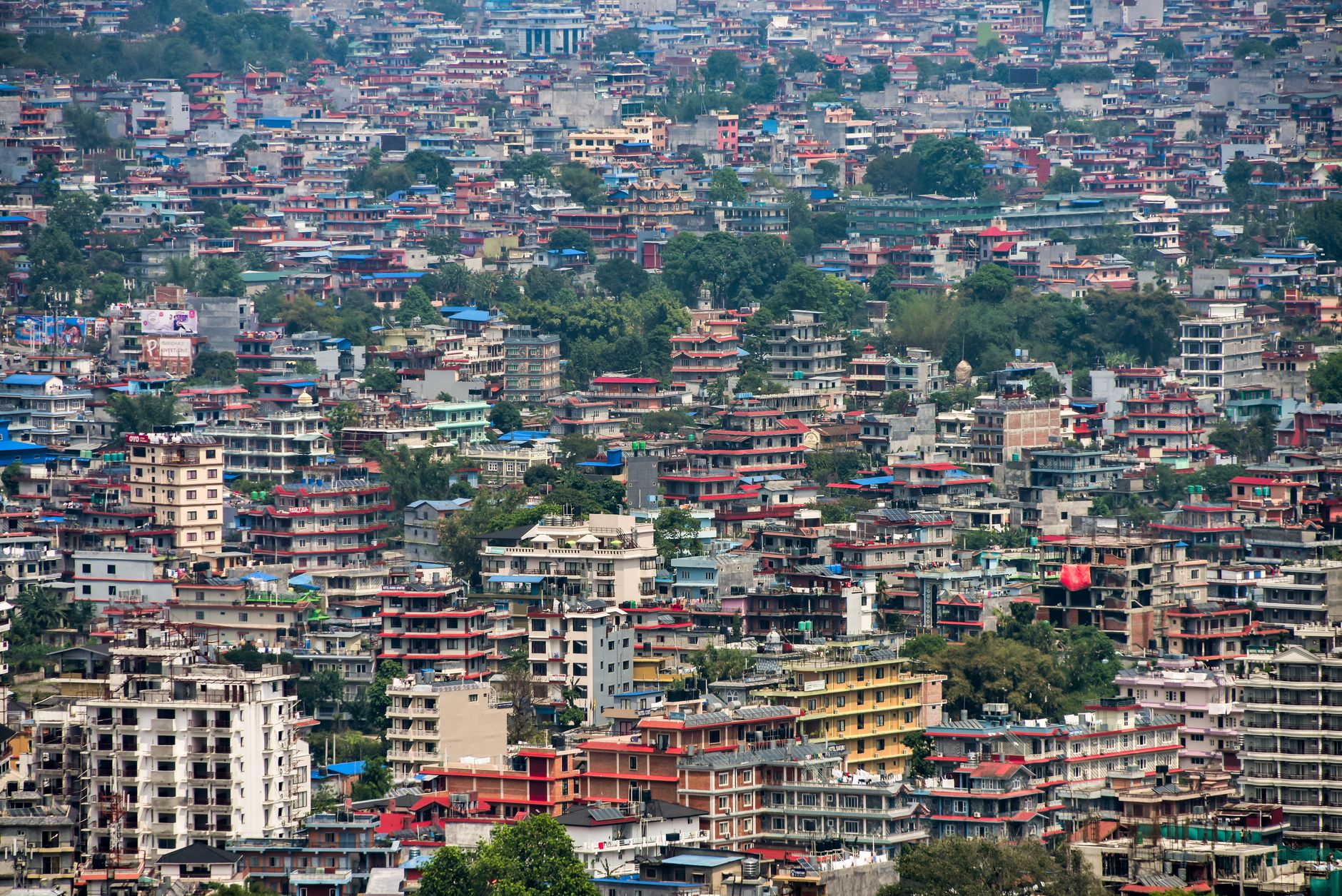
Urban areas, often characterised by dense populations and rapid-paced lifestyles, have long been associated with both positive and negative health outcomes. The study explores this duality by considering factors such as population density, green spaces, and pollution levels. The findings suggest that while high density can exacerbate stress and mental health issues, it also fosters social interactions that can enhance well-being.
Interestingly, the research emphasises the balancing act required in urban planning. For instance, cities like Delhi and Mumbai, with their sprawling populations, face unique challenges in providing both adequate living space and essential green areas that promote mental health.
Data: A Catalyst for Change
One of the study's pivotal contributions is its advocacy for open data. By integrating diverse datasets, researchers have been able to paint a more comprehensive picture of the urban health landscape. This approach not only aids in understanding current health trends but also equips policymakers with the tools needed to craft more effective public health strategies.
The implications of such research are far-reaching. As urban populations continue to swell, particularly in megacities across Asia, the need for informed planning becomes ever more critical. The study's insights could help shape future urban environments, ensuring they nurture both physical and mental health.
In conclusion, the study serves as a reminder of the complex interplay between urban design and health. It urges city planners to consider not just the physical infrastructure but the health of the communities that inhabit these spaces. As we forge ahead in an increasingly urbanised world, such insights will be indispensable in crafting cities that are not only liveable but truly thriveable.