Urgent Calls for Regulation as 'Forever Chemicals' Plague Solent Waters
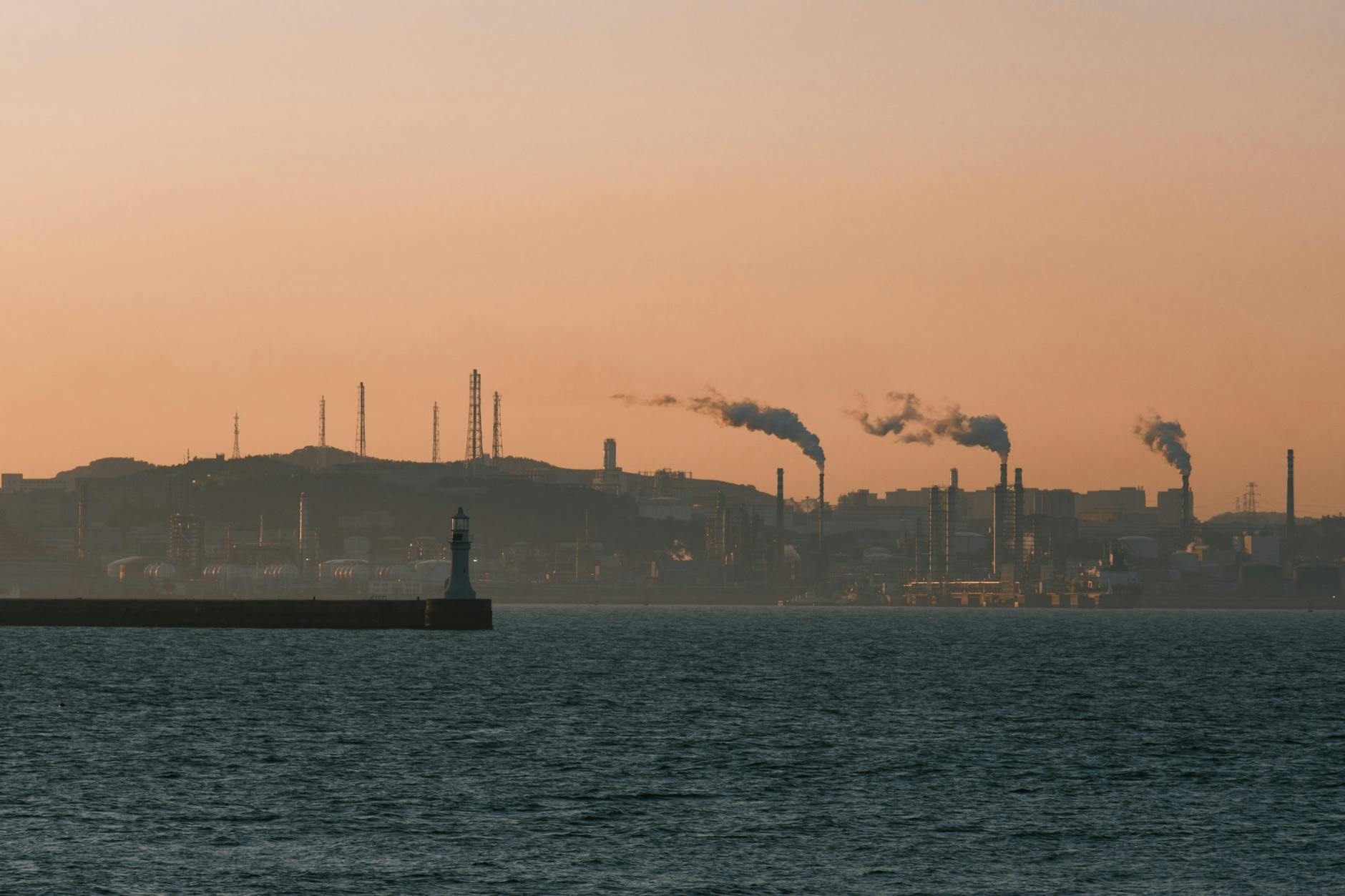
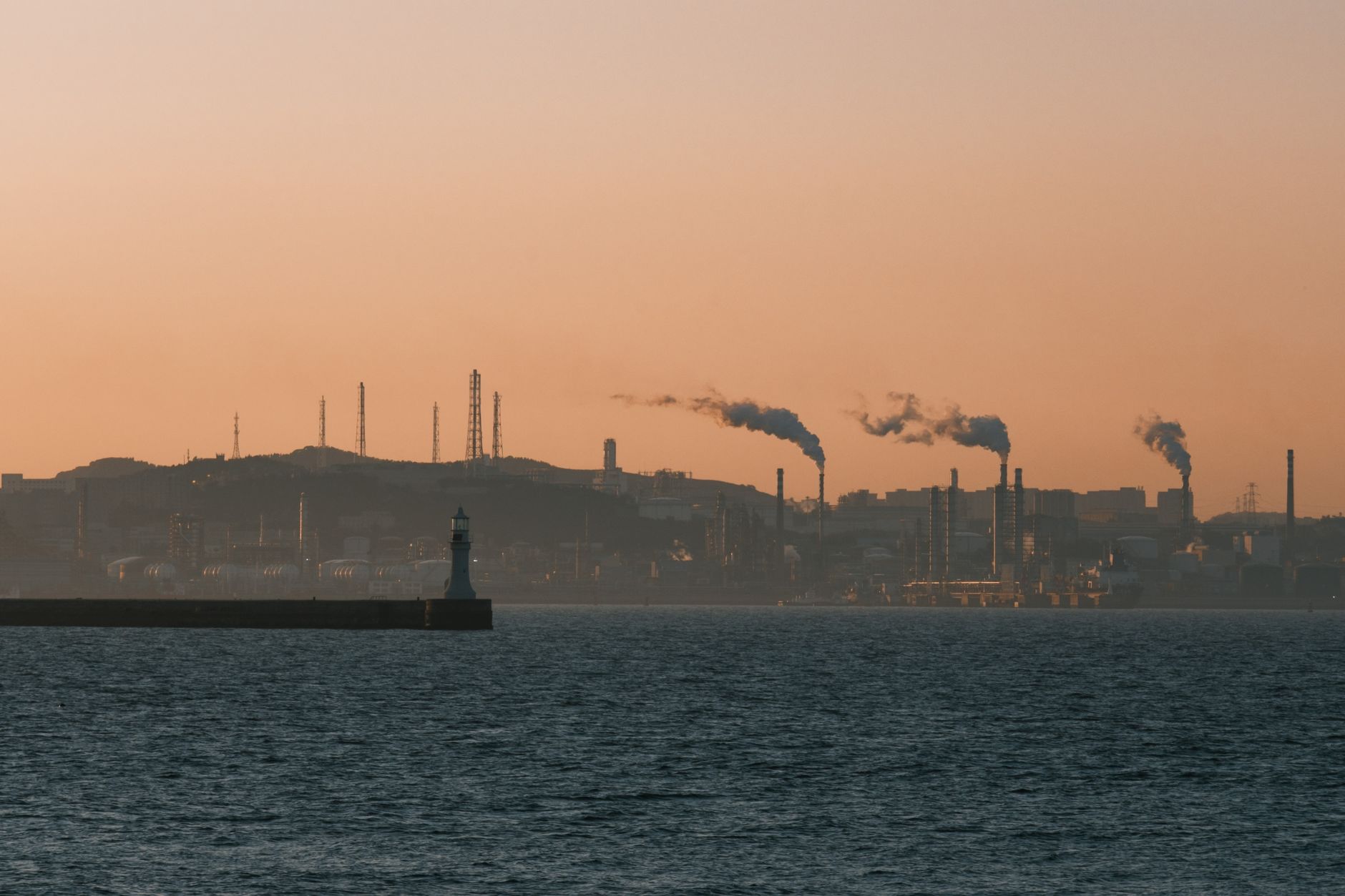
The tranquil waters of the Solent, nestled between the Isle of Wight and the British mainland, have long been a sanctuary for marine life and a cherished spot for locals. However, recent findings have cast a shadow over this idyllic scene. Scientists have discovered alarmingly high levels of per- and polyfluoroalkyl substances (PFAS), colloquially known as 'forever chemicals', permeating the entire marine ecosystem.
This revelation is particularly unsettling as PFAS are notorious for their persistence in the environment and potential health risks. They have been found in everything from drinking water to household products, and now, disconcertingly, throughout the Solent's marine food chain. In some cases, the contamination levels exceed safe thresholds by a factor of 13.
Environmental Impact and Health Concerns
The impact on marine life is profound. PFAS have been detected in the water, soil, and across various species within the food chain, including those in protected environmental sites. This not only threatens biodiversity but also poses a significant risk to humans who consume seafood from these waters.
Environmental activists are now intensifying their demands for stricter regulations. The UK's current regulatory framework, they argue, is insufficient to tackle such a pervasive threat. They call for immediate policy actions that align with the United States' recent move to impose limits on PFAS in drinking water.
Regulatory Challenges and the Way Forward
While the Environment Agency acknowledges the issue, the path towards tighter regulation is fraught with challenges. Implementing comprehensive monitoring and control measures requires significant investment and political will. However, with mounting public concern, the pressure on policymakers is escalating.
Experts suggest that addressing this issue demands a multi-faceted approach, incorporating scientific research, public education, and international cooperation. As awareness grows, the urgency to act becomes increasingly clear. The Solent's plight is not an isolated case but a warning bell for coastal regions worldwide.
As Britain grapples with this environmental dilemma, the call for robust action resonates. The hope is that this crisis will catalyse a broader movement towards sustainable environmental stewardship, ensuring safe and healthy ecosystems for future generations.