US Trade Delegation in Delhi as Trump Mulls New Tariffs
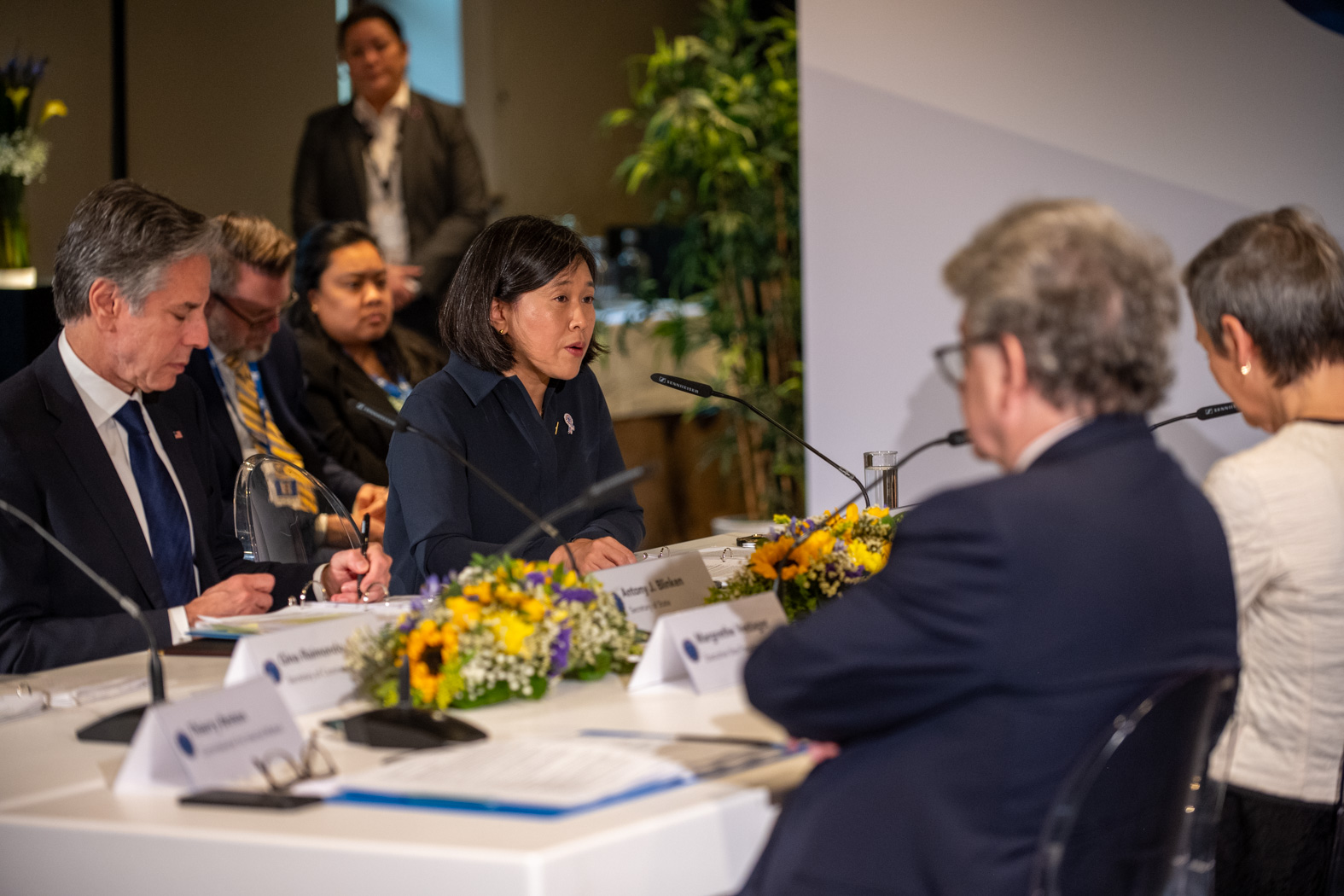
As diplomatic pleasantries unfold in the bustling corridors of New Delhi, a cloud of tension shadows the US-India trade talks. The US trade delegation, led by chief negotiator Brendan Lynch, finds itself navigating a particularly thorny issue: the prospect of new tariffs linked to allegations of forced labour.
In a move that could strain the already complex economic relationship, the Trump administration has floated the idea of imposing a 12.5% tariff on goods from India, among other nations. This proposal emerges from a Section 301 investigation, which scrutinises unfair trade practices and seeks to safeguard American workers from what the US perceives as an uneven global playing field.
Jamieson Greer, from the US Trade Representative's Office, articulated the administration's stance, pointing to a need to address forced labour practices that, they claim, disadvantage American workers. While these tariffs have not yet been enacted, the mere suggestion has sent ripples through diplomatic and economic channels.
The Stakes for India
For India, a country striving to bolster its manufacturing sector, such tariffs could pose significant challenges. As the world's largest democracy grapples with economic recovery post-pandemic, additional trade barriers could hamper growth and strain bilateral ties with the US.
Indian officials, while engaging in dialogue with their American counterparts, are likely to raise concerns about the potential impact on their economy. The Indian government has consistently denied any systemic forced labour practices, arguing that such measures are both unfair and unfounded.
A Global Issue
The issue of forced labour is not unique to India, with the US naming 59 countries in its scrutiny. However, the focus on India, a key strategic partner in Asia, underscores the complexities of global trade relations in a rapidly changing geopolitical landscape.
As negotiations continue, the world watches closely, aware that the outcome could influence international trade policies and alliances far beyond the subcontinent. For now, the diplomatic dance in New Delhi continues, with both sides keenly aware of the stakes involved.