Ushuaia Defends Itself Amidst Hantavirus Speculation
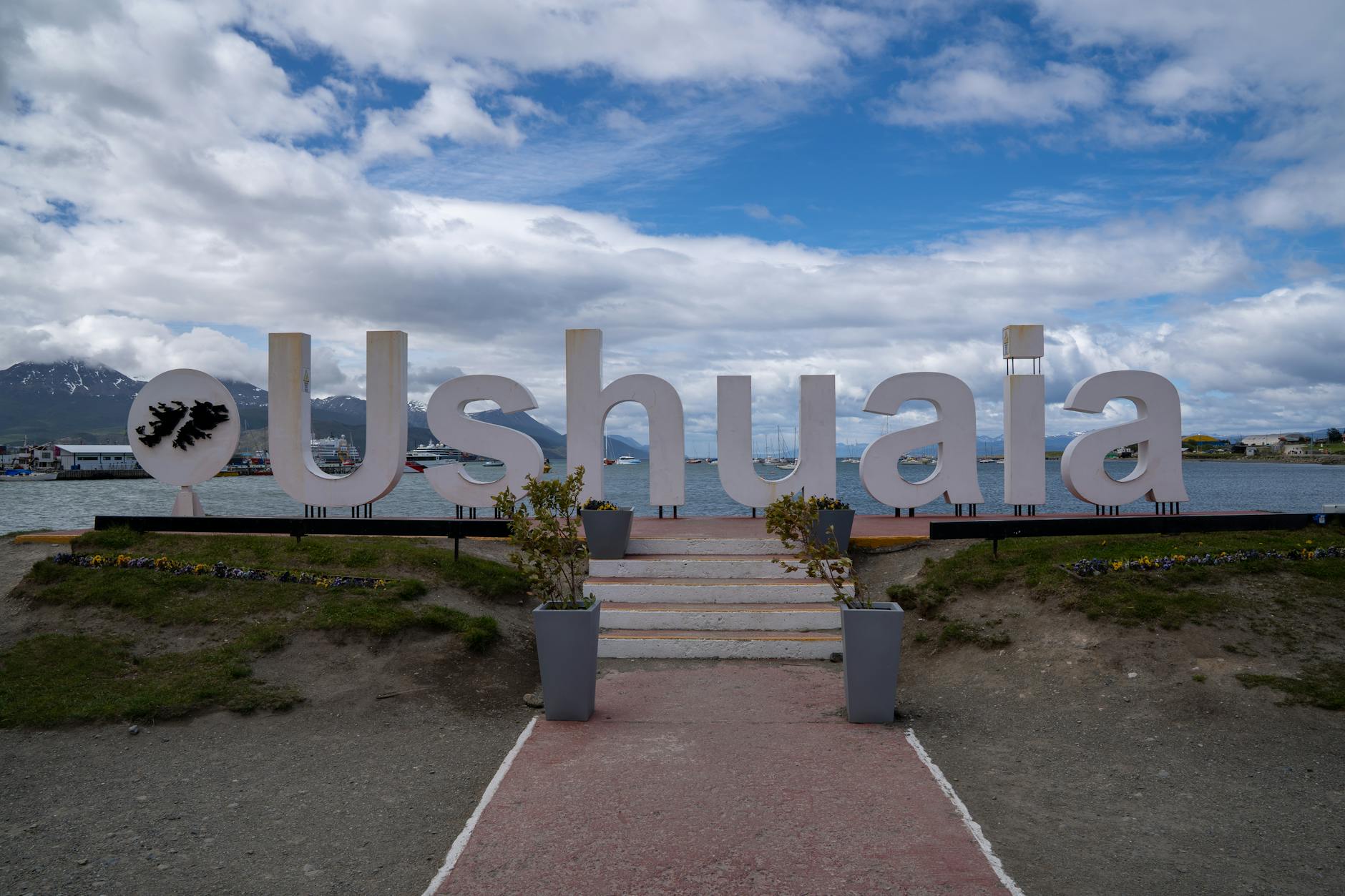
Perched at the southernmost tip of Argentina, Ushuaia is known for its breathtaking landscapes and as a gateway to the Antarctic. Yet, it now finds itself in the spotlight for less enviable reasons. Health officials are investigating whether this tourist hotspot could be the origin of a hantavirus outbreak that has alarmingly spread to an Atlantic cruise ship.
The hantavirus, a potentially fatal disease transmitted primarily by rodents, has prompted a flurry of activity among epidemiologists. The quaint city often described as 'the end of the world' is under scrutiny. Local authorities, however, are staunchly defending Ushuaia's safety record. "We've adhered to all international health standards," insists Maria Fernandez, a spokesperson for the city's health department. "There's no evidence linking this outbreak to our city."
Tourism and Health: A Delicate Balance
Tourism forms the backbone of Ushuaia's economy, and any hint of health risks could be detrimental. As investigators delve deeper into the virus's origins, businesses reliant on visitors remain on edge. The MV Hondius, a cruise ship now docked for quarantine, has been the epicentre of the outbreak, with several passengers reported ill.
While the investigation continues, epidemiologists are considering other potential sources. The possibility that rodents in the region might have transmitted the virus is being explored. "These viruses can originate in remote areas and travel with people or cargo," notes Dr. Luis Ortega, an epidemiologist involved in the study.
Looking Ahead
For Ushuaia, the stakes are high. Reassuring tourists while ensuring public safety is a challenging tightrope to walk. The city is hopeful that a clear conclusion will emerge soon, one that absolves it of any culpability. Meanwhile, the health of both visitors and locals remains the primary focus.
As the world watches, Ushuaia's response could set a precedent for how tourist destinations handle public health crises. Until then, the 'end of the world' remains vigilant, balancing the allure of its untouched beauty against the exigencies of global health.