Varanasi-Kolkata Expressway Gains Approval Amidst Environmental Concerns
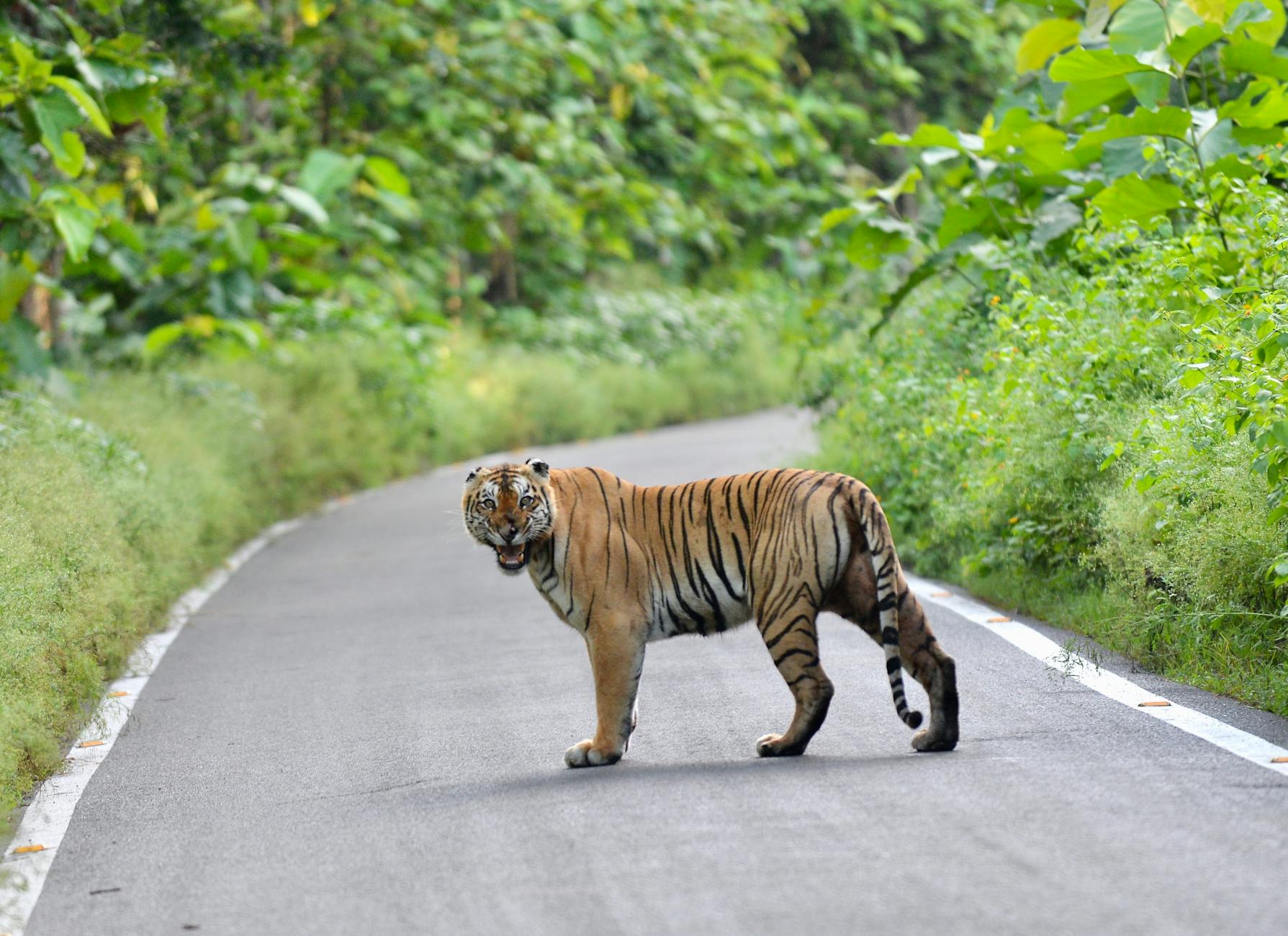
In a move that has raised eyebrows among environmentalists, the Indian Environment Ministry has given the green light to a Rs 9,250 crore expressway project connecting Varanasi and Kolkata. The expressway, part of the National Highways Authority of India's ambitious corridor, will cut through vital tiger landscapes and substantial forest lands in West Bengal.
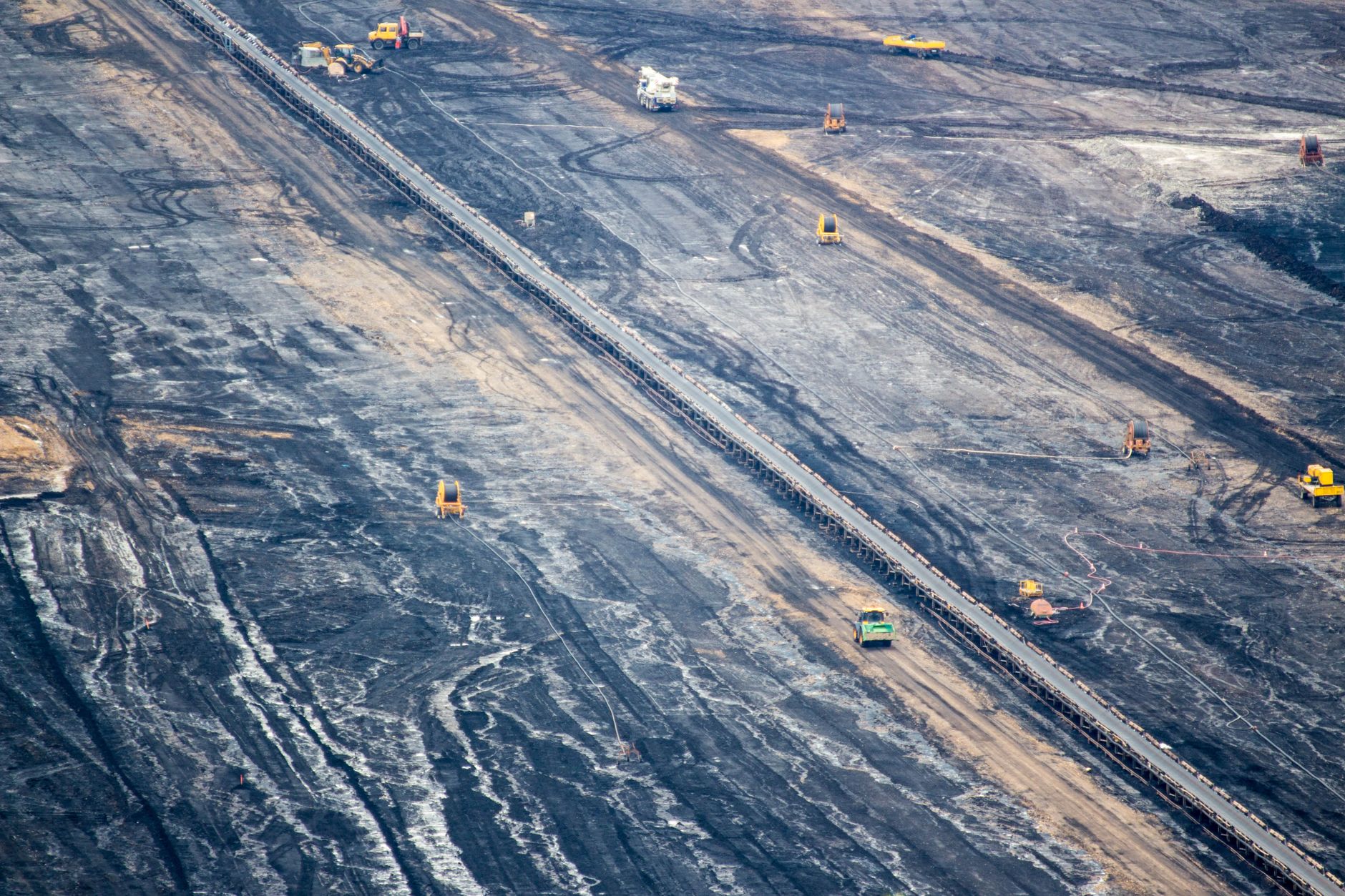
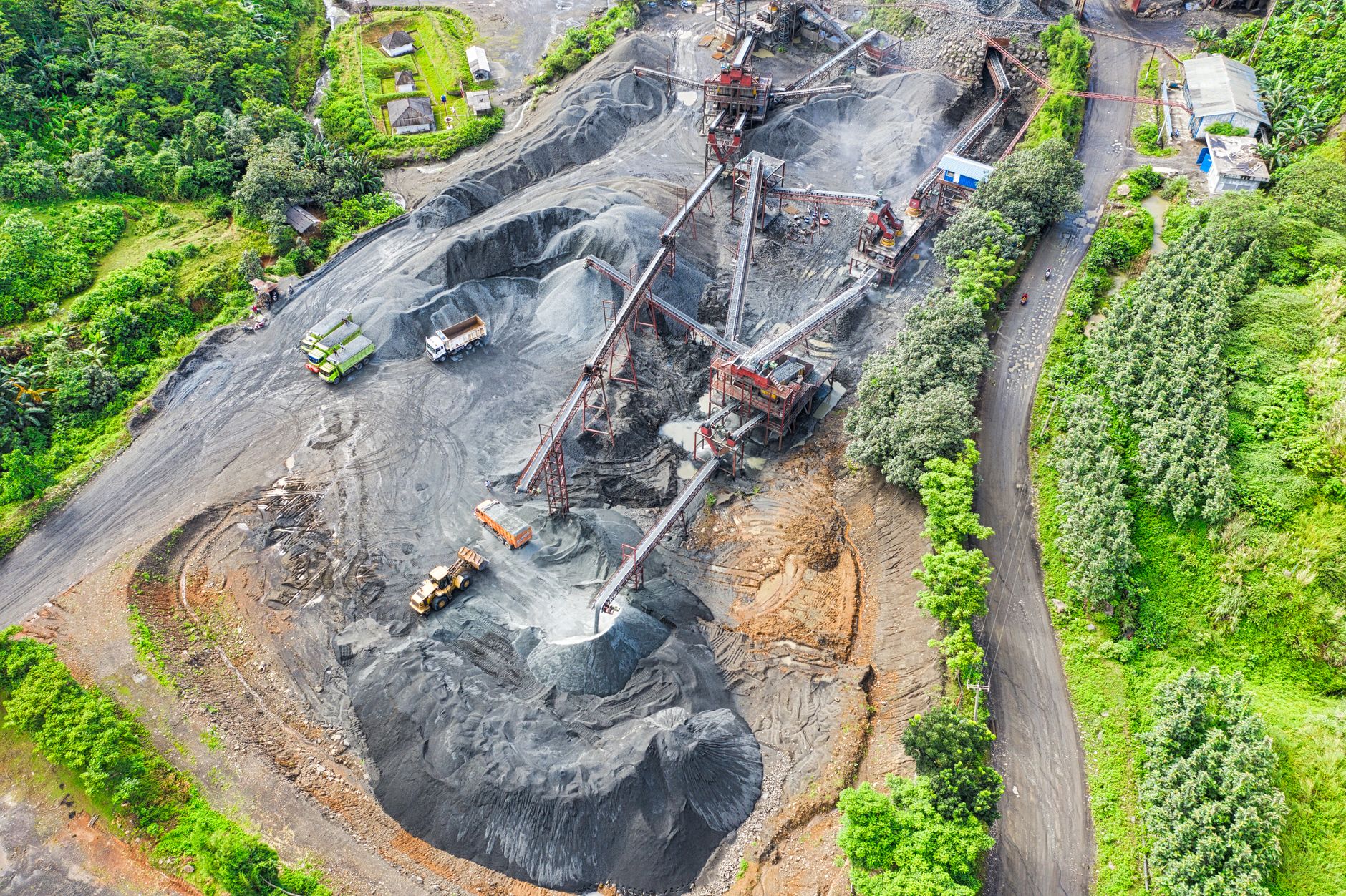
The expressway, spanning 235 kilometres, will traverse districts such as Purulia, Bankura, and Pashchim Mednipur, among others. It promises to improve connectivity and bolster economic growth in the region. However, this development comes at a significant environmental cost. The project involves the diversion of over 103 hectares of forest land and the felling of approximately 50,000 trees, stirring concerns among conservationists.
Proponents argue that the project will include wildlife underpasses to mitigate the impact on local fauna, particularly the Bengal tiger. Yet, critics are sceptical. They assert that such measures, while beneficial, may not fully compensate for the disruption of natural habitats. "The ecological balance of the region is at risk," warns an environmental scientist involved in the review process.
Historically, India has grappled with the delicate task of balancing development and conservation. This expressway is emblematic of this ongoing tension. On one hand, it is seen as a crucial infrastructure project that could transform the economic landscape. On the other, it threatens to fragment the already fragile ecosystems home to endangered species.
The clearance by the expert appraisal committee, discussed at its 444th meeting, underscores the complex interplay between policy and ecology. As bulldozers prepare to roll, activists continue to advocate for more stringent environmental assessments and protective measures.
While the expressway may usher in a new era of connectivity between two major Indian cities, the question remains: at what cost to the country's natural heritage?