Vast Seaweed Belt in Atlantic Raises Environmental Concerns
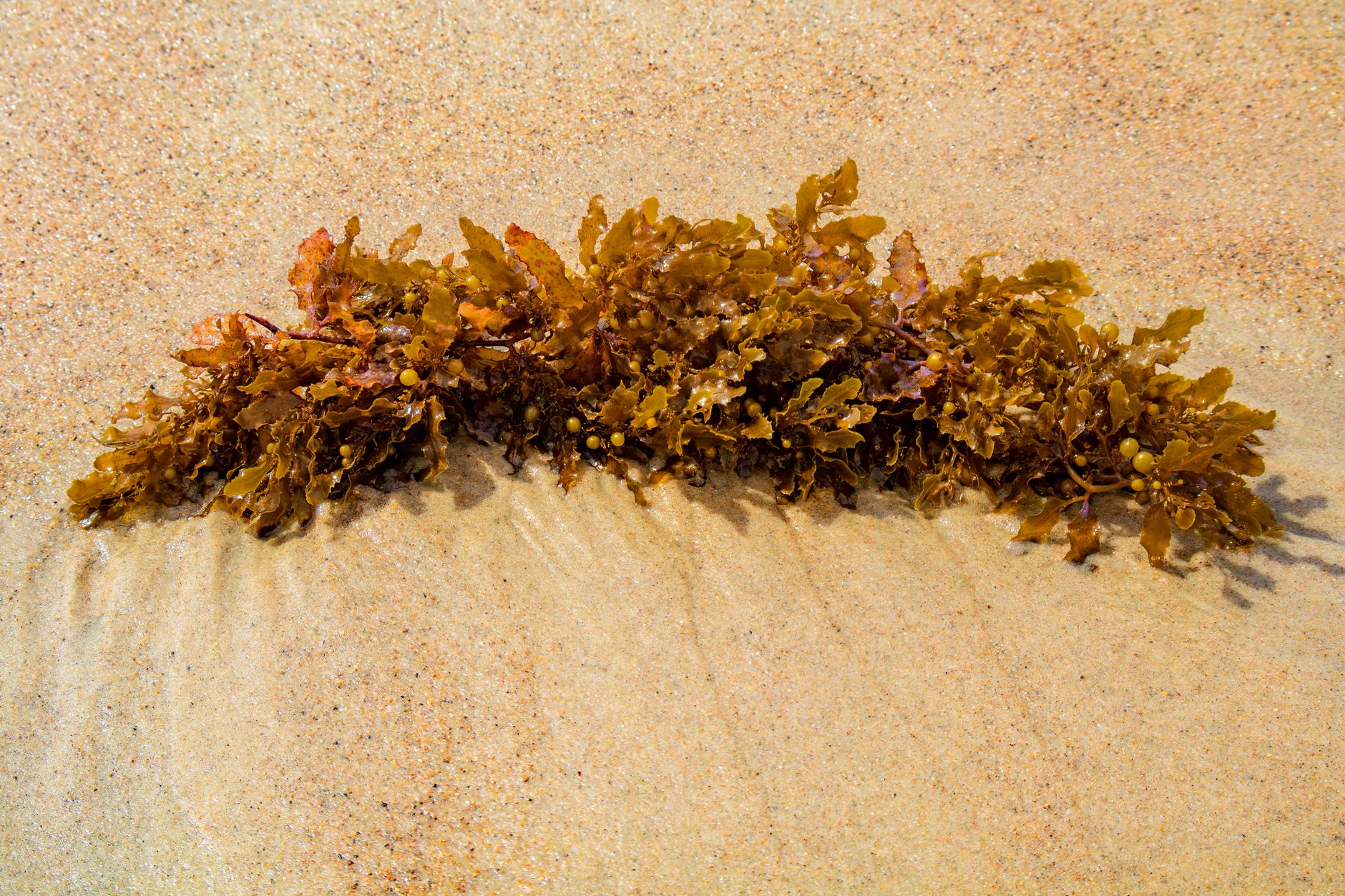
In a striking revelation, space imagery has unveiled a 5,000-mile expanse of seaweed stretching across the Atlantic Ocean. This massive floating mat, known as the Great Atlantic Sargassum Belt, is causing considerable concern among scientists and coastal communities alike.
Historically, the Sargasso Sea was the primary home of Sargassum, a type of brown seaweed. Sailors centuries ago would occasionally report sighting these floating mats far from land. However, this phenomenon has grown exponentially and now extends far beyond its traditional bounds.
Environmental and Economic Impacts
The implications of this seaweed belt are manifold. On one hand, Sargassum plays a role in the marine ecosystem by providing habitat for various marine species. On the other hand, when it accumulates on beaches, it can disrupt local economies dependent on tourism and fishing. The decaying seaweed emits a pungent odour and can harbour harmful bacteria, posing risks to both human health and marine life.
This year's observations, particularly the staggering 37.5 million tons detected in May, highlight the rapid growth of the Sargassum belt. Scientists attribute this proliferation to a combination of factors, including nutrient runoff from rivers like the Amazon, climate change, and oceanic currents.
Scientific Concerns and Public Health
Researchers are particularly worried about the potential public health issues. The seaweed can clog beaches, making them unusable and potentially hazardous. The decay process releases hydrogen sulphide gas, which can cause respiratory problems in humans.
Efforts are underway to manage the situation, but the sheer scale of the problem presents significant challenges. Coastal communities are urged to develop strategies to deal with the influx, including possible commercial uses for the harvested seaweed.
As the world grapples with the intricate challenges posed by climate change, the Great Atlantic Sargassum Belt serves as a stark reminder of nature's unpredictability and the interconnectedness of global ecosystems.